


01 May Come And See Ministry: When All Are Accepted
Capturing Grace on a journey to Moldova
There are places you visit that stay with you because of what you saw.
And then there are places that stay with you because of what they did to your heart.
Come and See was that kind of place for me.


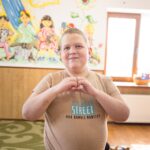
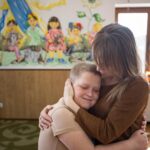
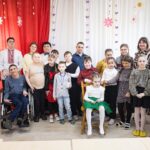
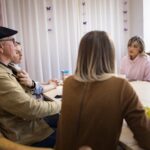
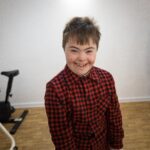
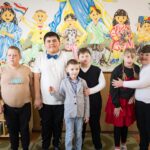
Tucked inside Chișinău is a day center for children with disabilities, part of the work of Youth for Christ Moldova. The children here live with autism, cerebral palsy, Down syndrome, epilepsy, and other serious developmental challenges. Some come for the daily center. Others come specifically for therapy. All of them come carrying needs that are bigger than most people realize.
And from the moment I walked in, my heart had a hard time processing what I was seeing.
Tears came easily that day. The reasons kept shifting between sorrow and joy.
There was sorrow in seeing children born into such difficult circumstances. Sorrow in knowing how hard life can be, not only for them, but for the families who love them. Sorrow in hearing that in this part of the world, because of old cultural stigma and the lingering shadow of the Soviet past, children with disabilities have too often been hidden away, spoken of in whispers, or left out of ordinary life.
But there was also joy, overwhelming joy.
Because Come and See exists.
Because here, these children are not hidden.
Here, they are accepted.
That word kept echoing in my heart all day: accepted.
Accepted when they cry.
Accepted when they laugh.
Accepted when they struggle.
Accepted when progress comes slowly.
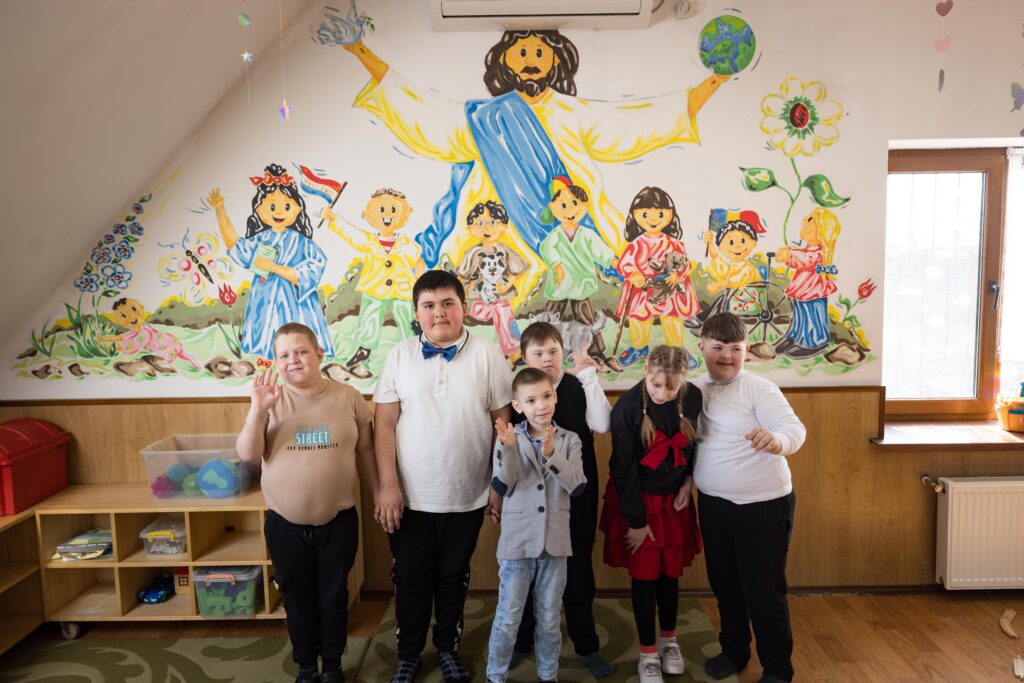
Accepted not because they are easy, but because they are deeply loved.
One of the staff explained that without a center like this, many of these children would simply stay at home. Often a mother or father must give up work to care for them full time. Many cannot attend regular school. Many families do not know how to help them develop. And in a society that still does not fully understand disability, isolation can become a way of life.
But not here.
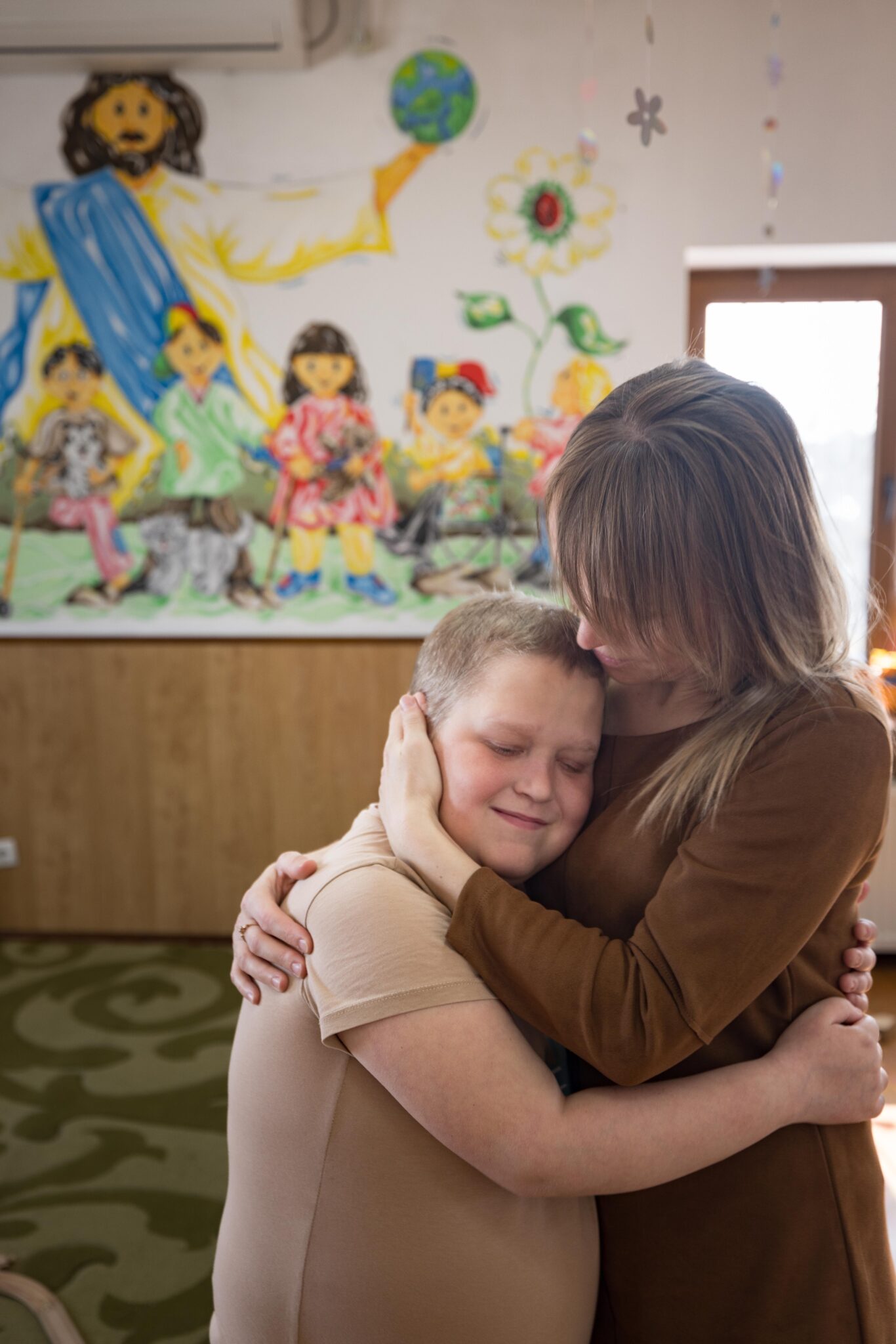
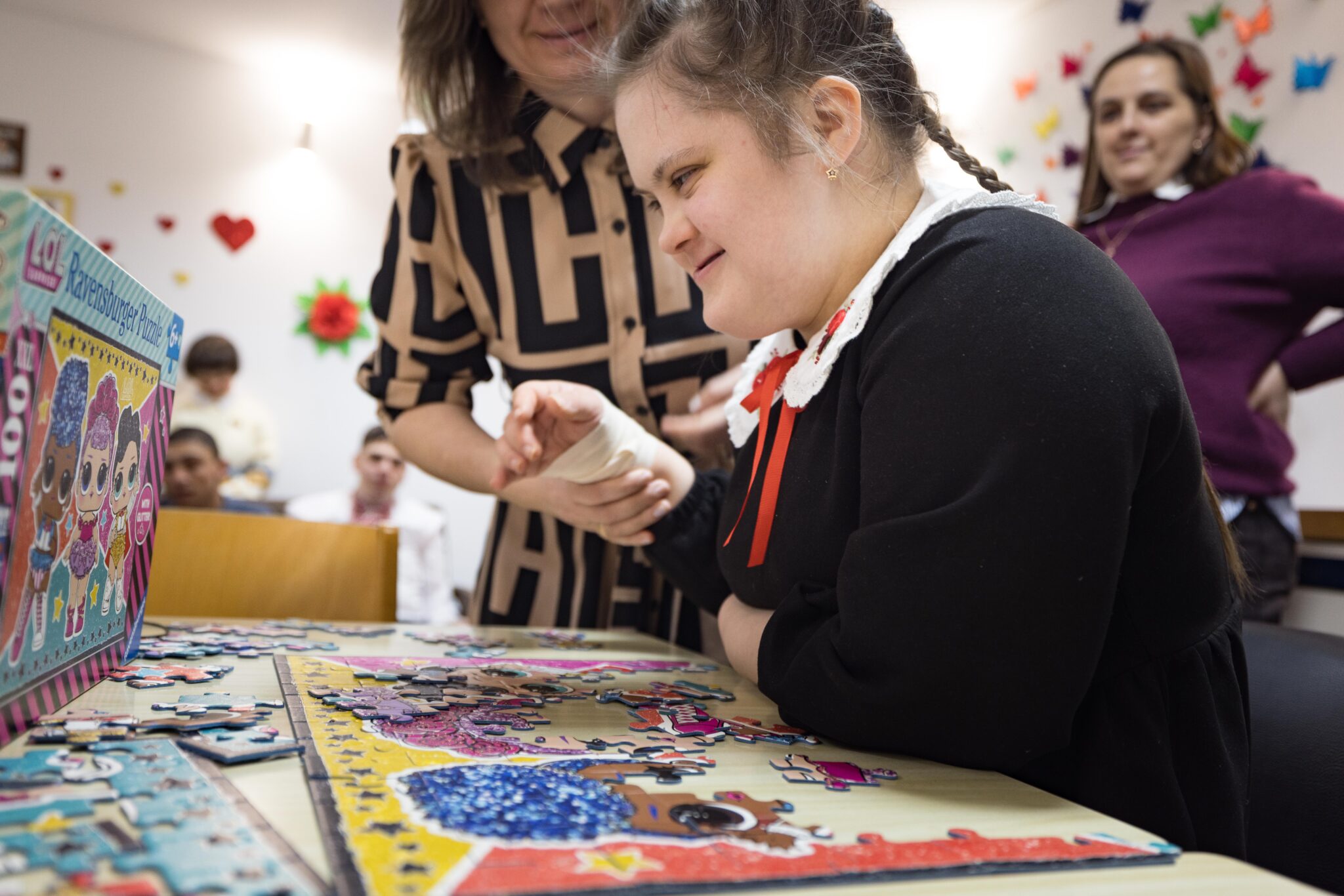
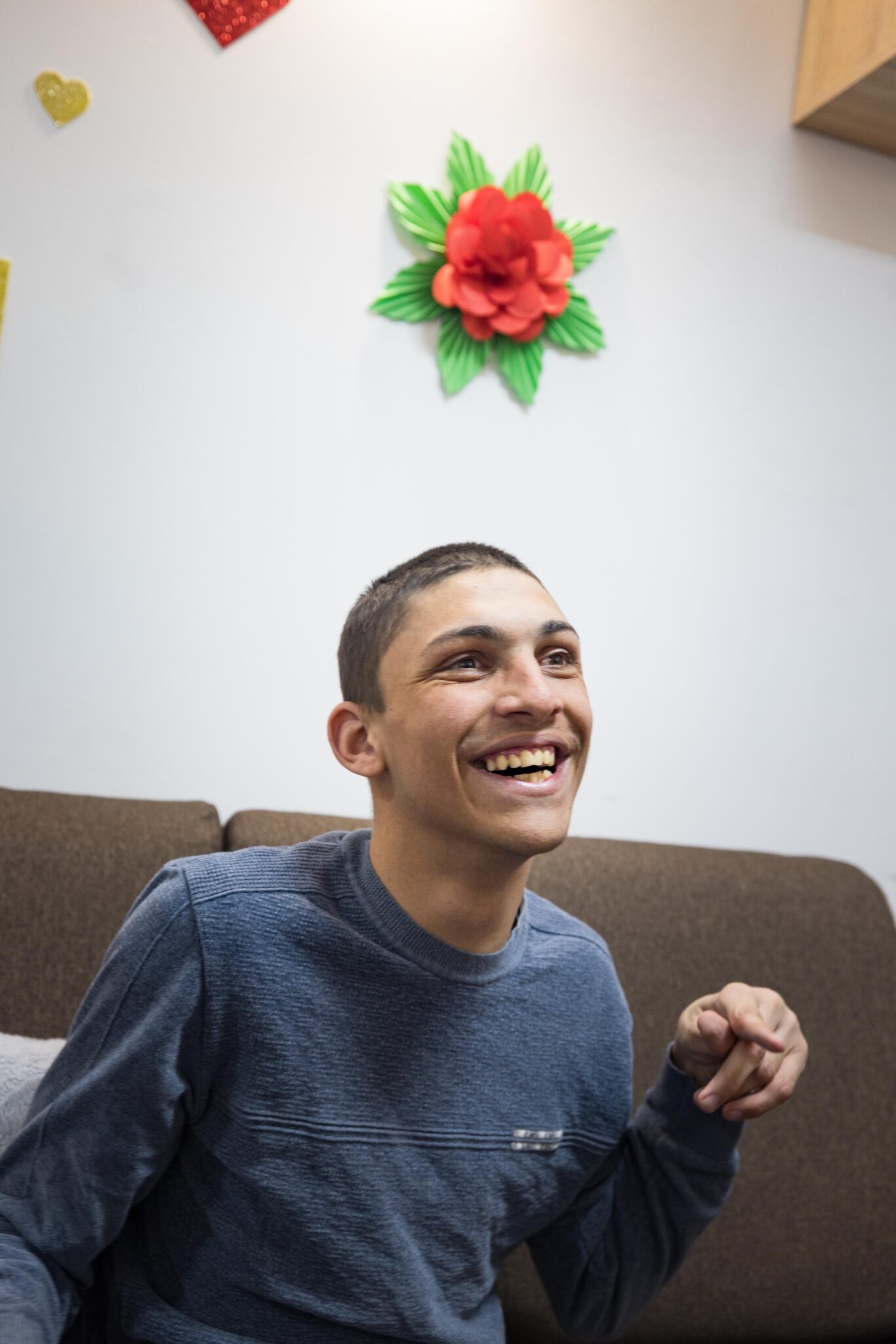
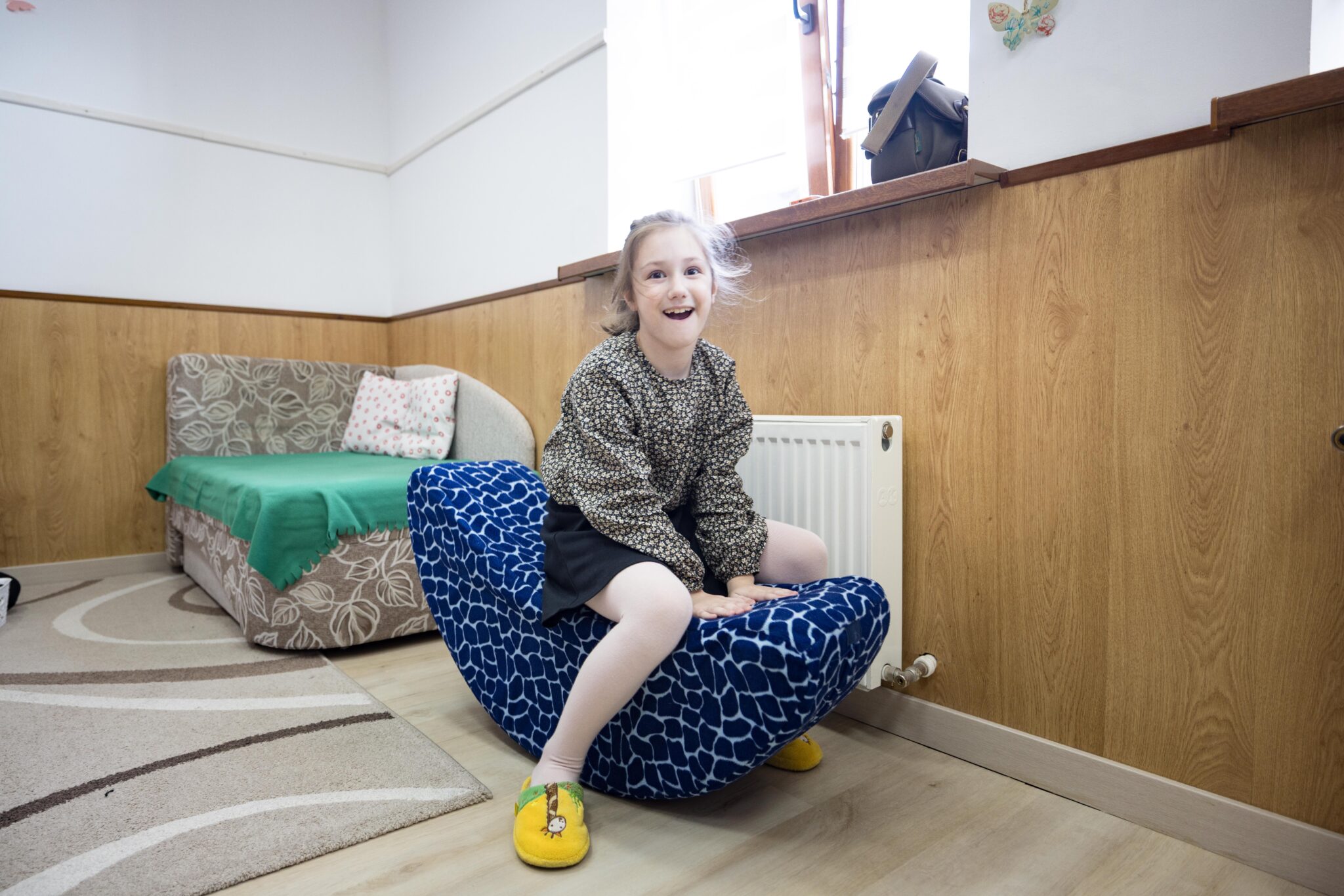
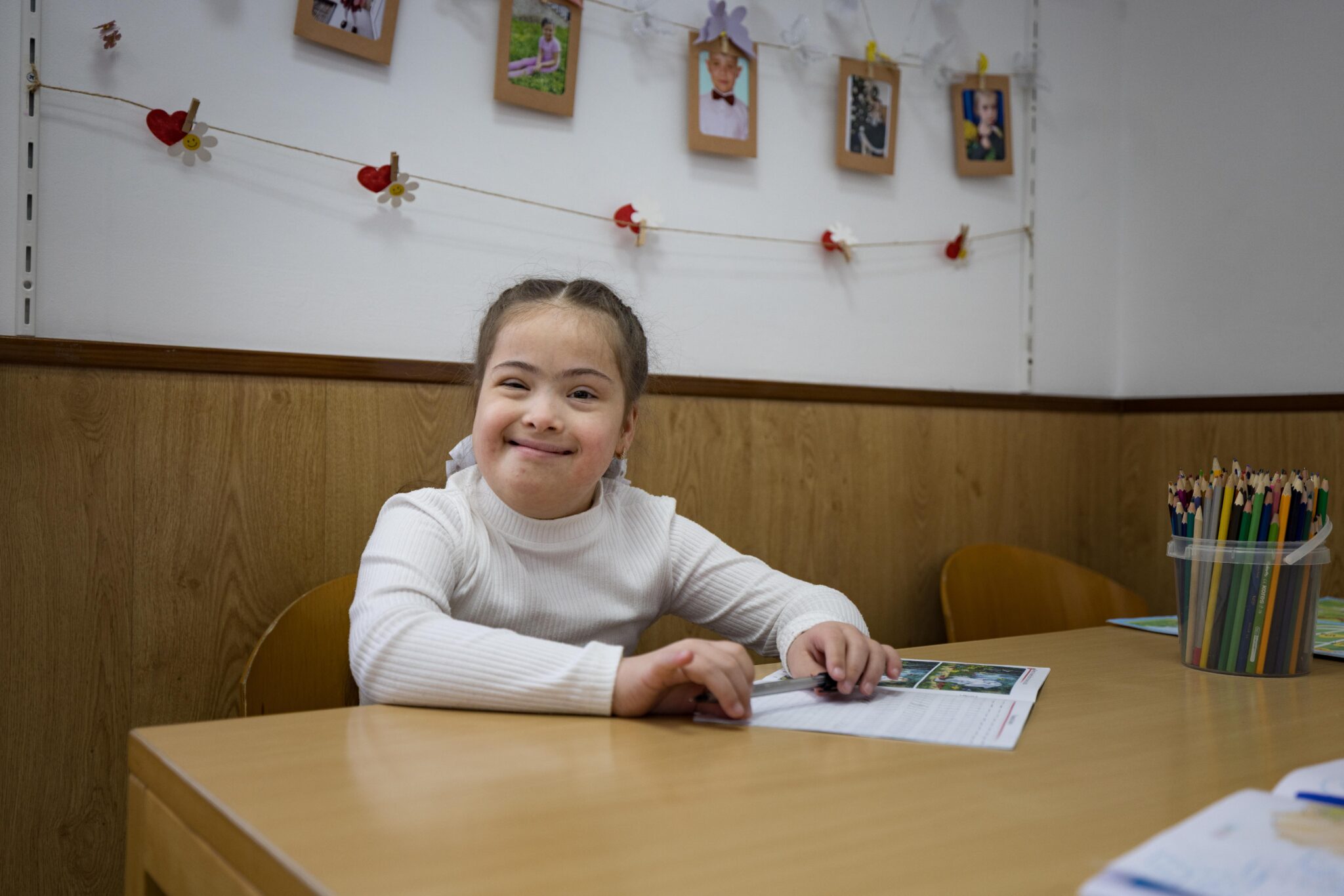
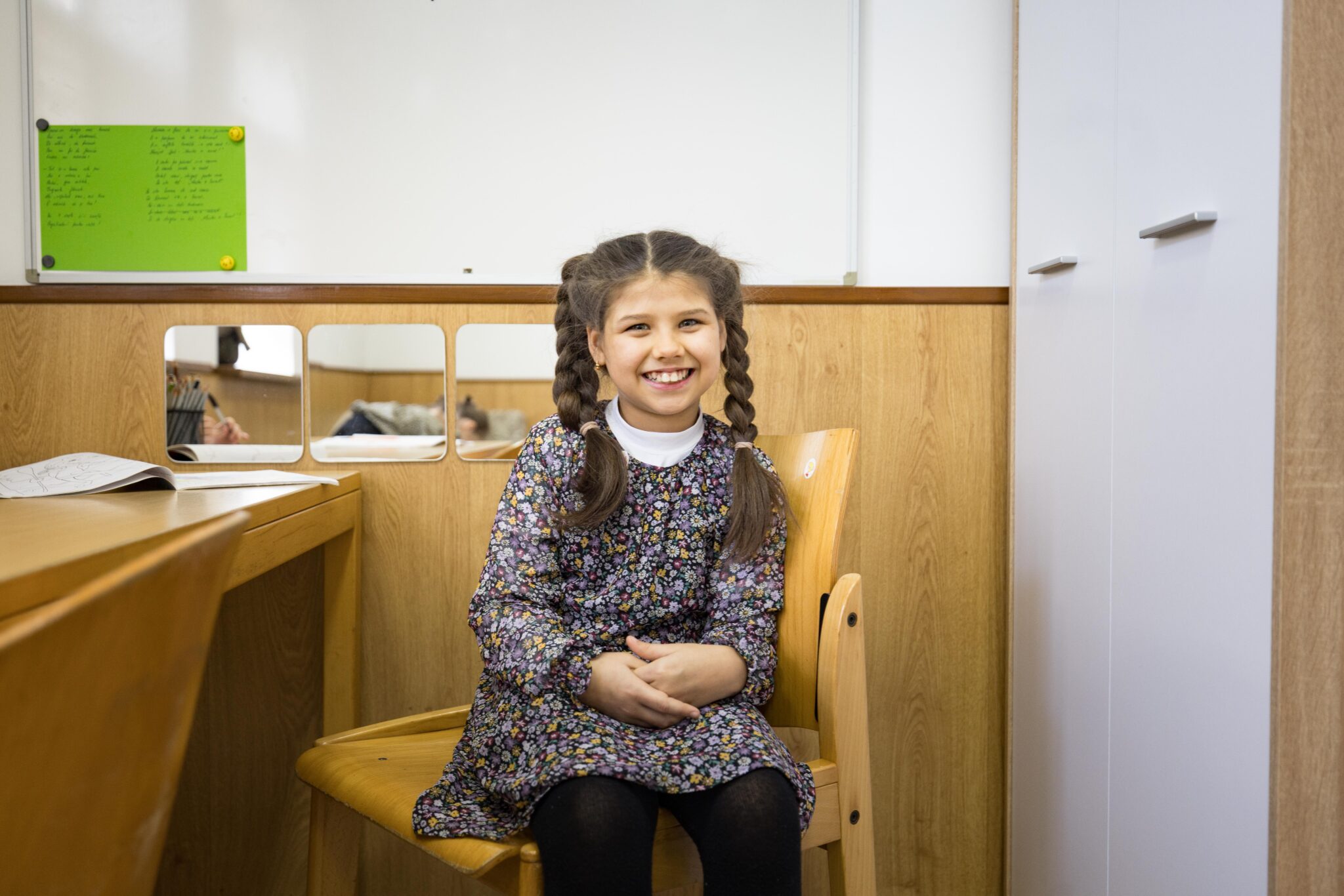
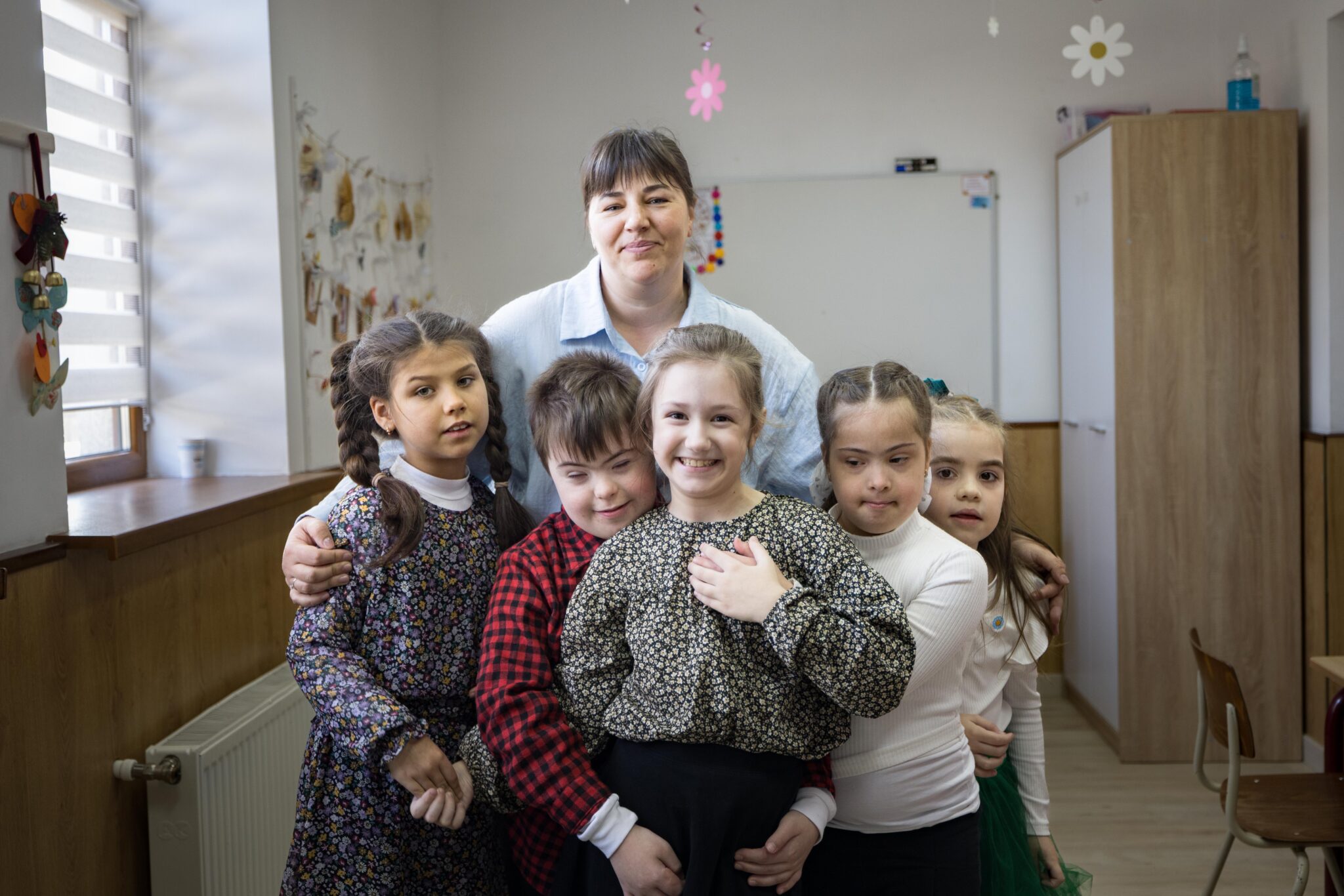
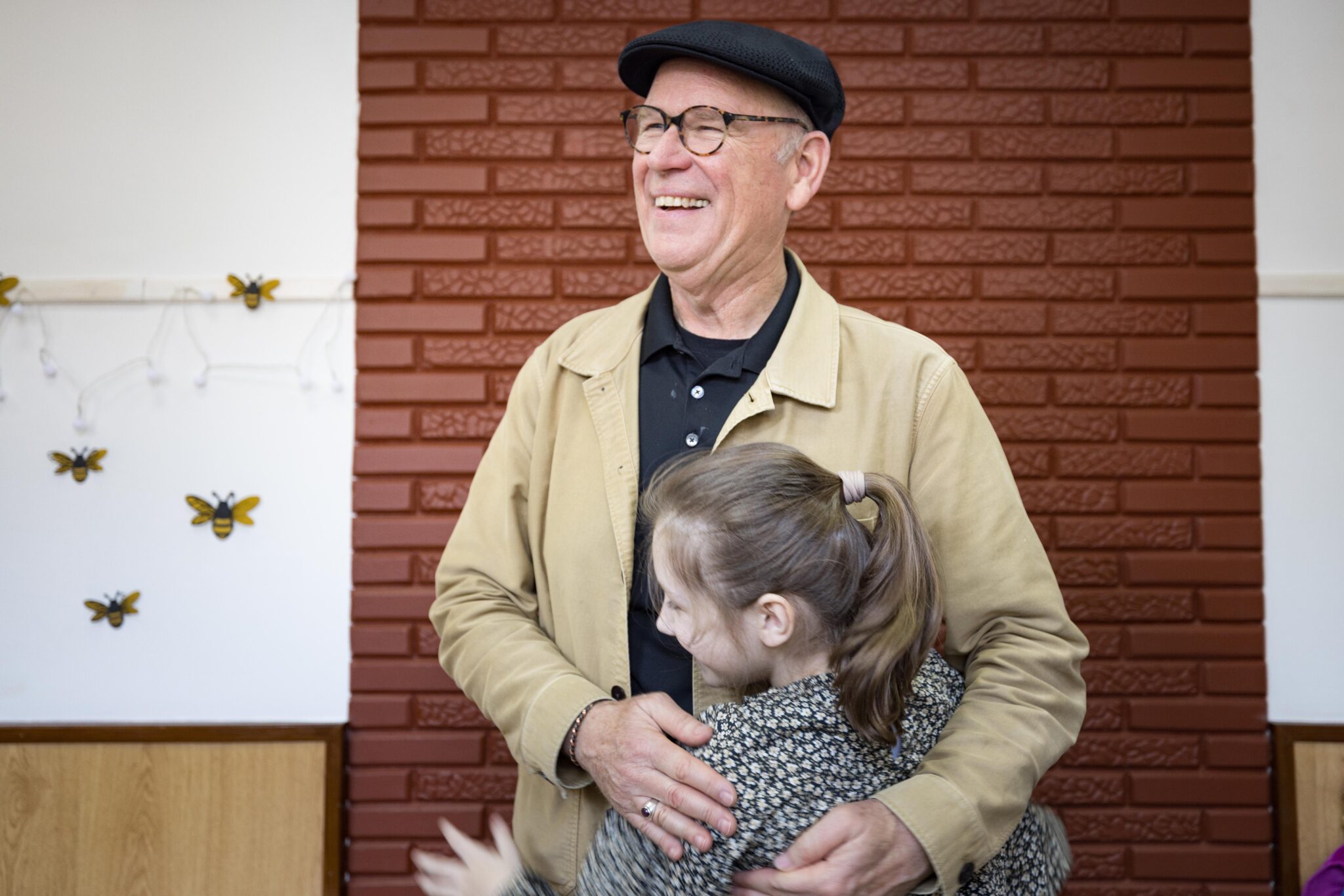
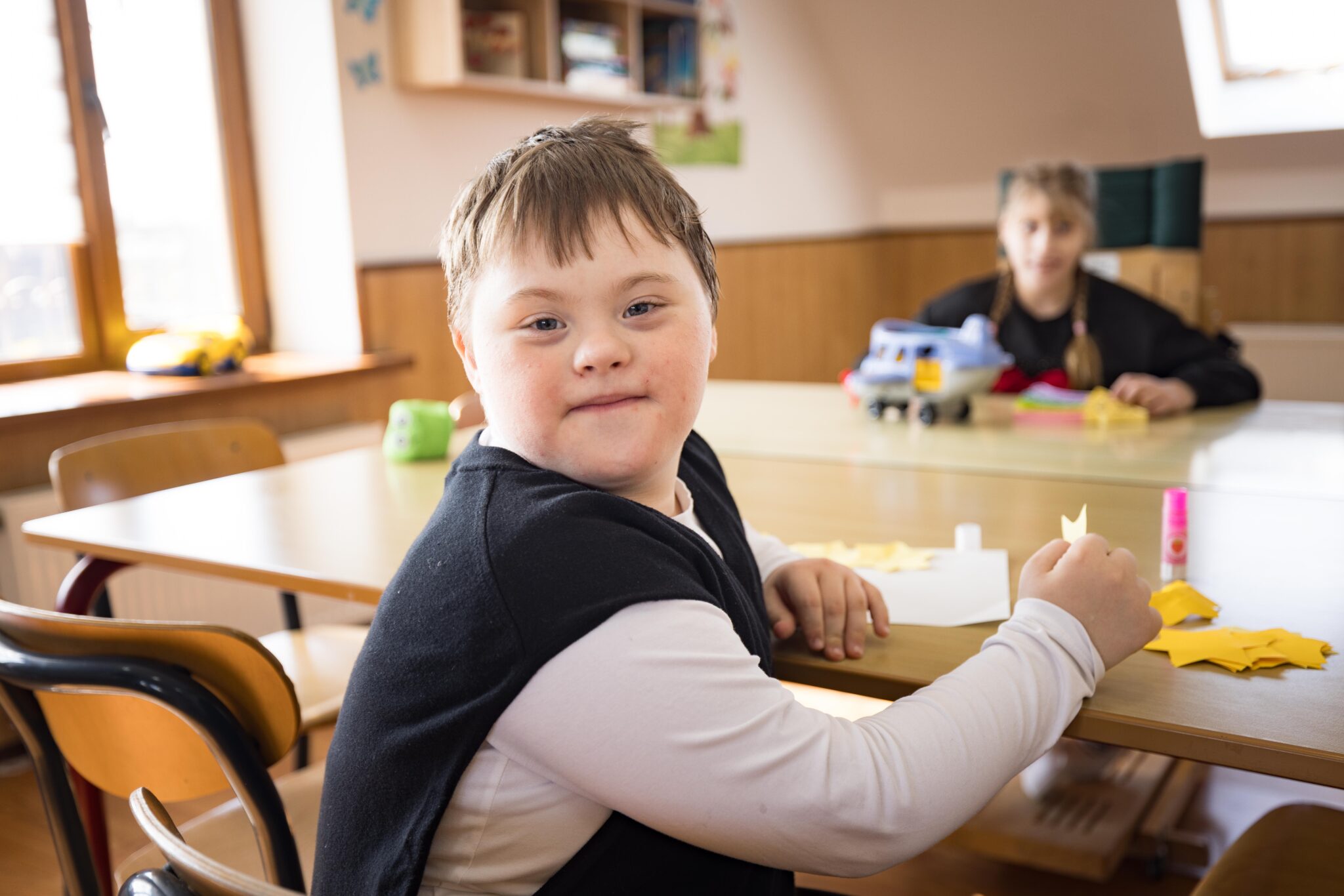
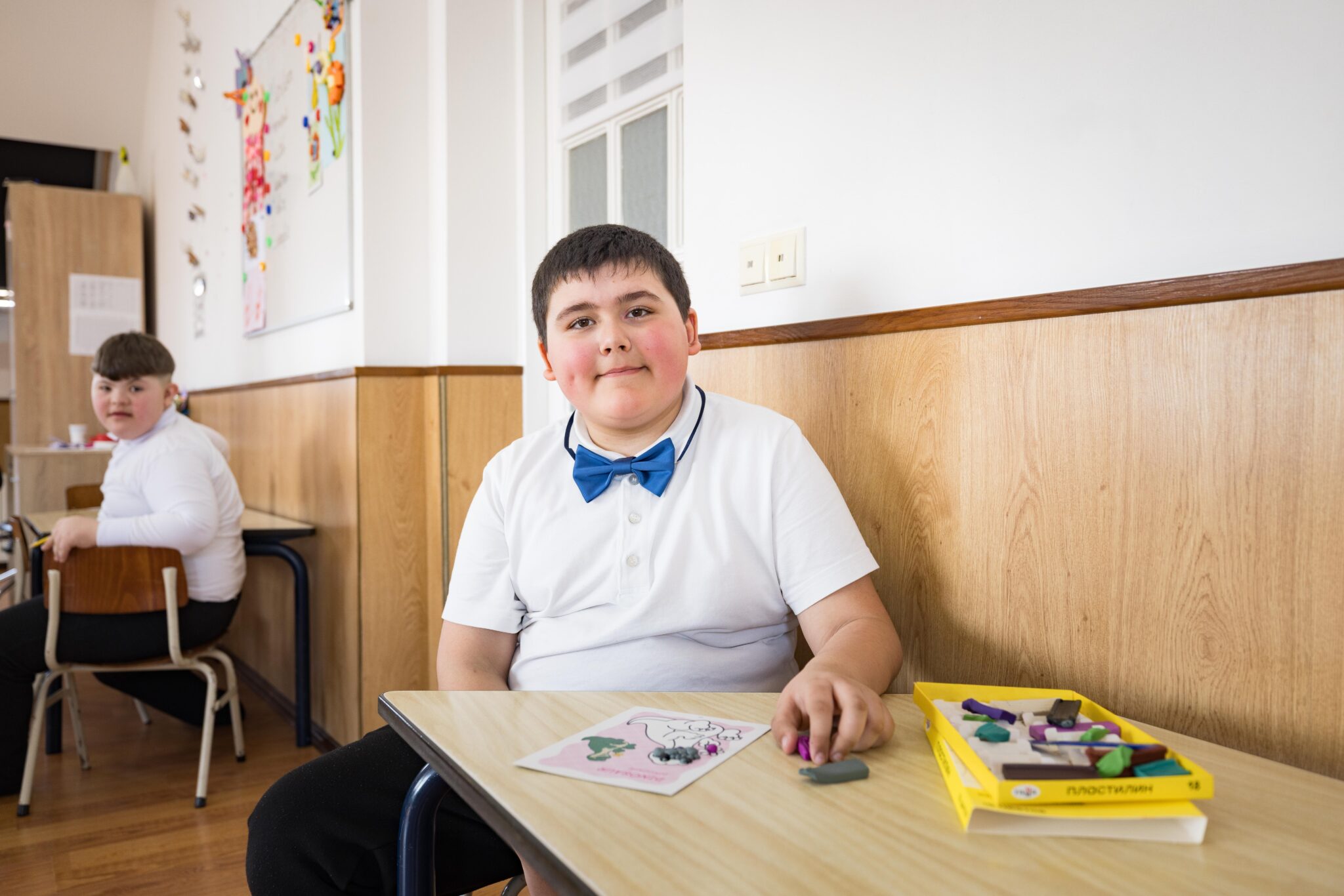
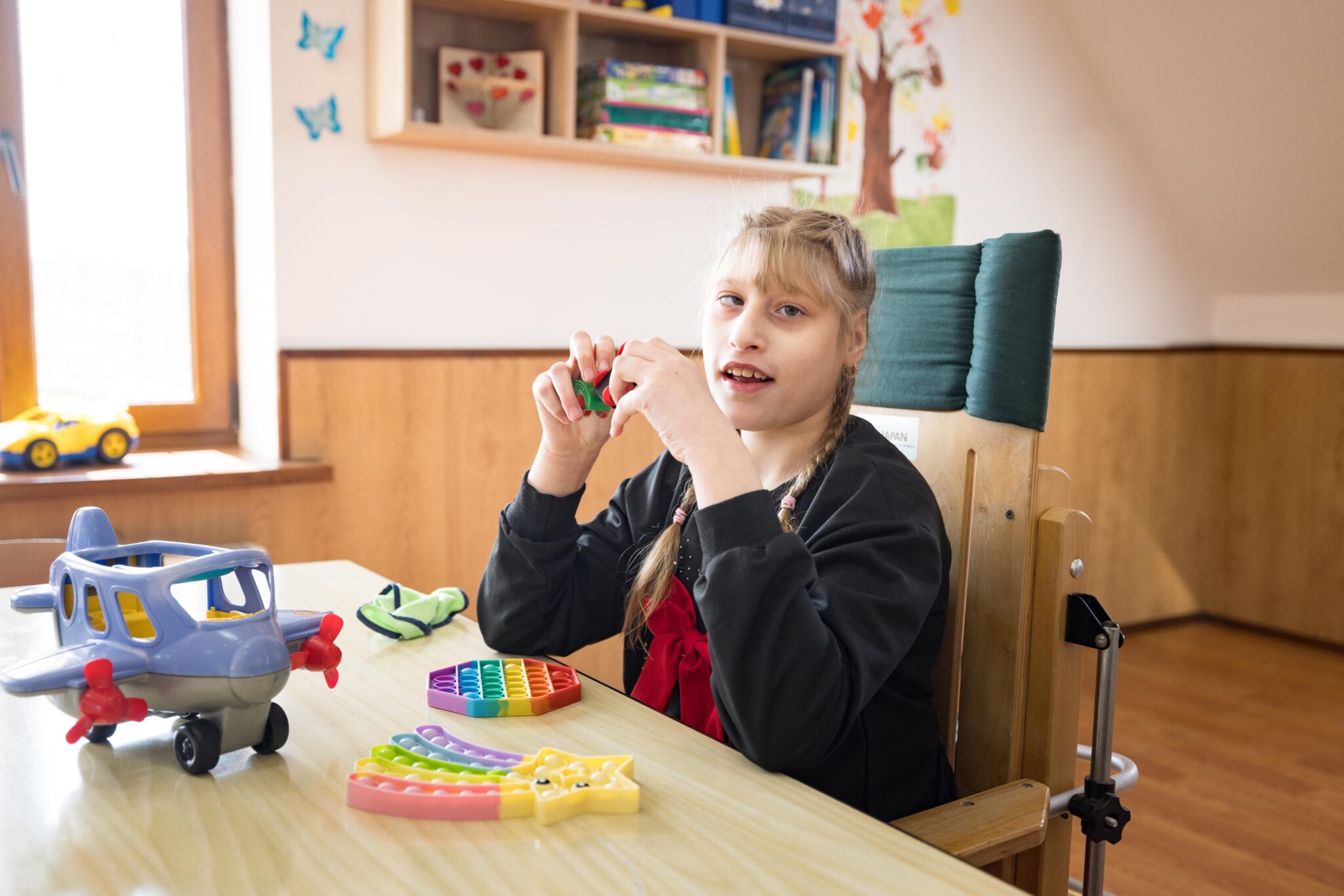
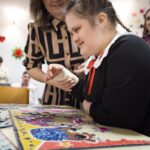
At Come and See, children are helped to do what many people once assumed they never could. They learn speech, movement, social interaction, early academics, practical life skills, and the simple rhythms of being with others. Some are learning letters. Some are learning how to count. Some are learning how to sit, how to eat at a table, how to make eye contact, how to play, how to connect.
That is holy work.
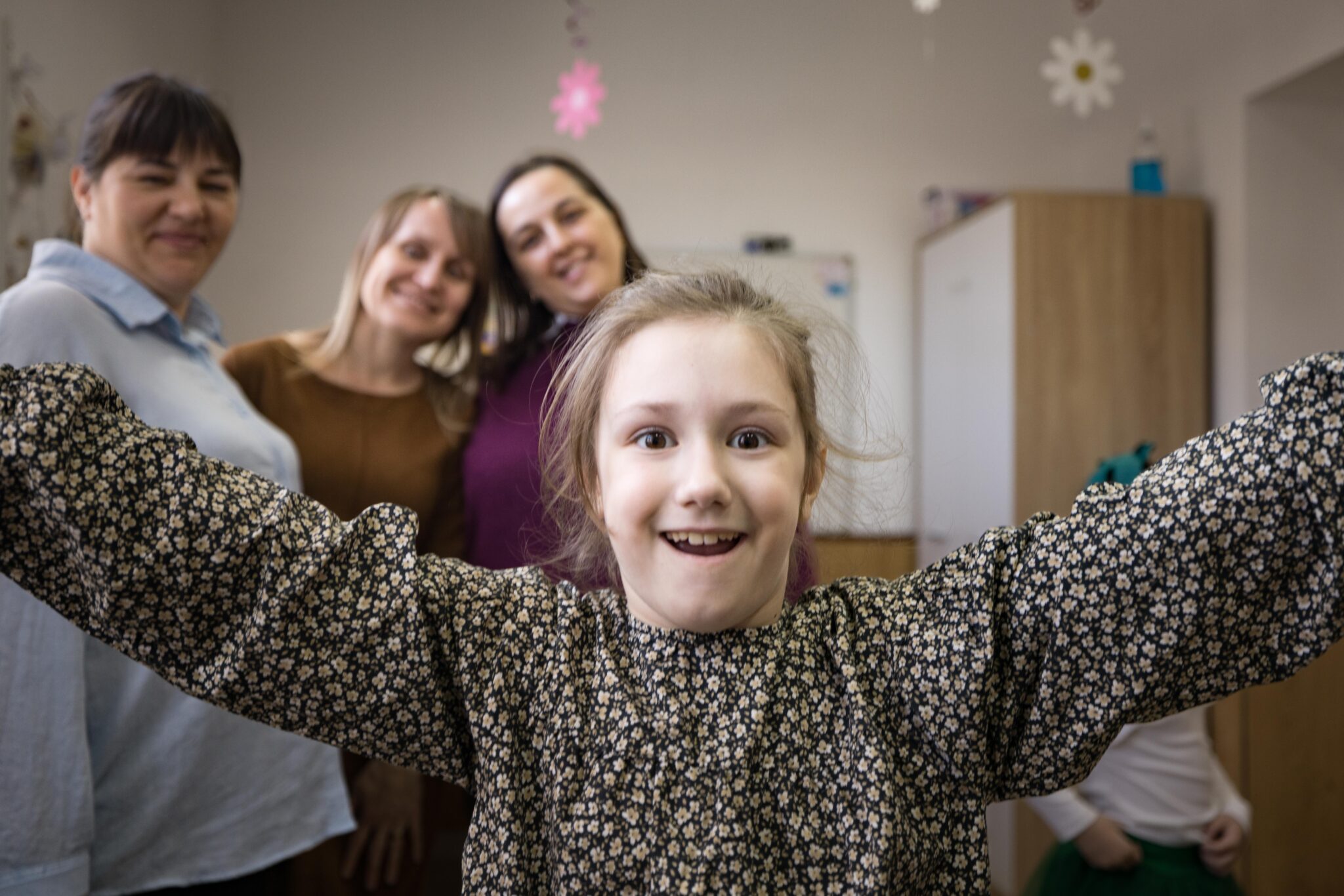
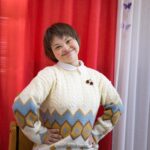
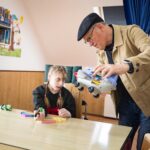
One little girl named Mia especially stayed with me. Mia has autism. Her therapist, Ina, told me that when Mia first began therapy, she would not respond to her name. She could not stay in the room. She ran away constantly, threw tantrums, and could not function in a group setting.
But after a year of floor time therapy, patient, repetitive, relational work designed to build what Ina described as “bridges” in the brain, Mia is changing.
Now she can sit.
Now she can participate.
Now she can stay with the group.
Now she can spend time in kindergarten, sit at the table, and begin to function in ways that once felt impossible.
She still faces challenges. She always will. But progress like that is not small. It changes the future.
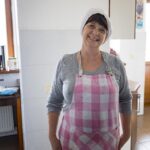
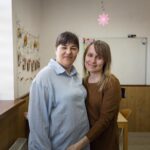
I also met Tatiana, the manager of the center, who has been doing this work for fifteen years. She spoke honestly about how difficult it can be, not only because the children’s needs are great, but because society still too often misunderstands them. She described taking children into public places and feeling the suspicion of others, people assuming the children will break things or cause problems. Yet she also spoke of their potential, of children who could work, contribute, and belong, if only society would make room for them.
Tatiana told me about a girl named Elisa, a teenager with epilepsy who could not speak and often lay in a special bed. Yet Elisa knew each staff member by voice. And somehow, even in the middle of seizures, she would smile. Sometimes even laugh. That memory had stayed with the whole team.
I understand why.
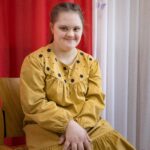
There was one moment late in the visit when I saw a young teen girl with braids, a black velvet dress, and roses. She had such a beautiful smile, such a playful spirit, and yet the difficulty of her life was written all over the moment. I couldn’t hold back the tears.
This place broke my heart.
And it healed it too.
Because in a world where children like these are too often unseen, Come and See is quietly declaring something true and beautiful:
They are here.
They matter.
Their lives are not less meaningful.
Their smiles are not less beautiful.
Their future is worth fighting for.
And for one unforgettable day in Moldova, I had the privilege of seeing that truth up close.
About Lifesong Moldova
Lifesong Moldova, led by Alina Druta, serves vulnerable children, young people, and families through Christ-centered care, discipleship, and a deep commitment to family-based restoration. Through mentorship, education, practical support, and advocacy, they are helping prevent child abandonment, strengthen families in crisis, and walk alongside young people as they transition into adulthood. Their work also includes a coffee shop in Chișinău, a social enterprise that provides vocational training, meaningful employment, and a supportive community for youth from vulnerable backgrounds. In a country where poverty, family breakdown, and exploitation place many children at risk, Lifesong Moldova is helping create environments where children and young adults are known, loved, and given the opportunity to thrive.
About Capturing Grace
Discover the story behind Capturing Grace and how my daughter’s life continues to inspire this work at Capturing Grace | About
Our time in Moldova



No Comments