



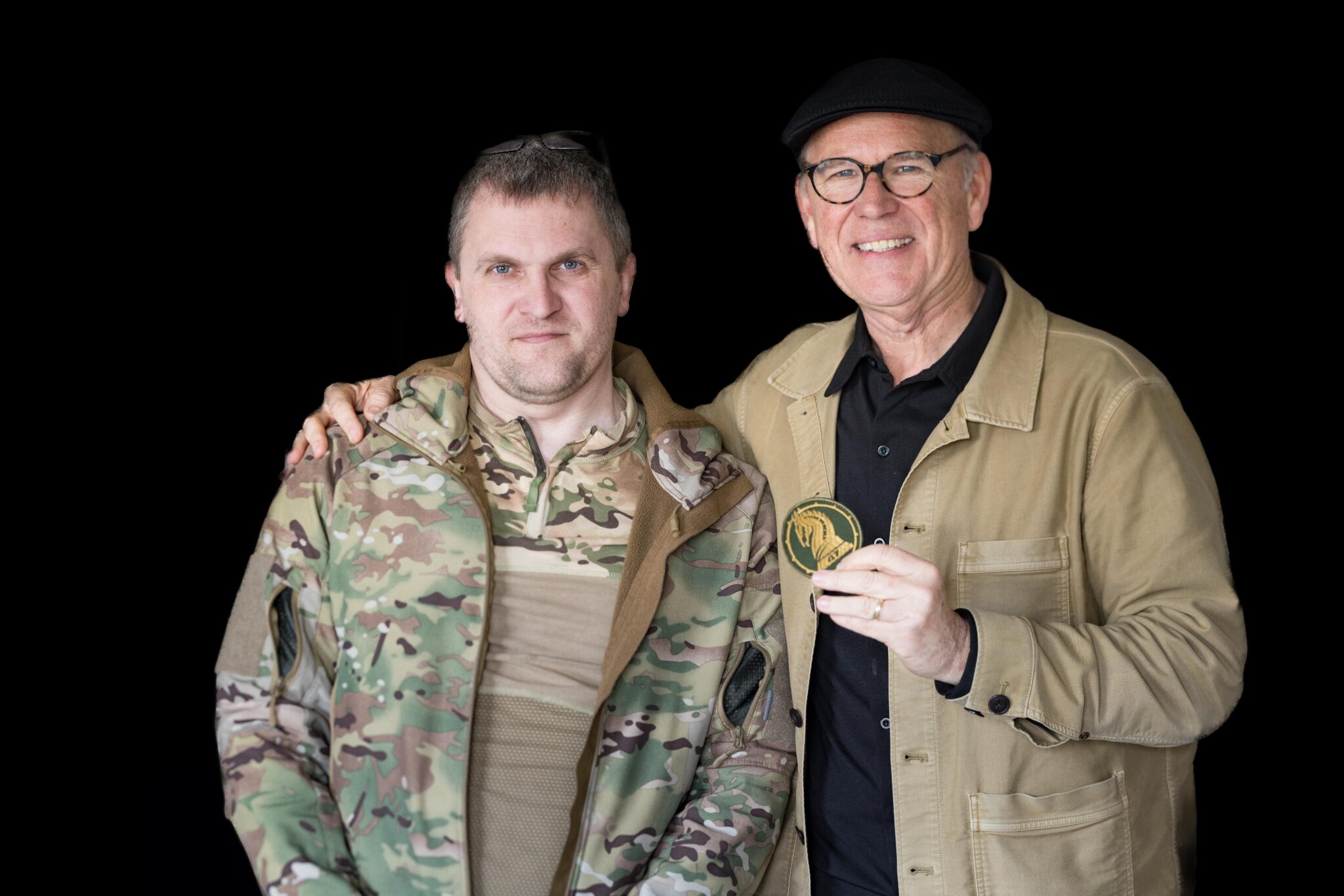
08 May Zhenya: Under the Dome
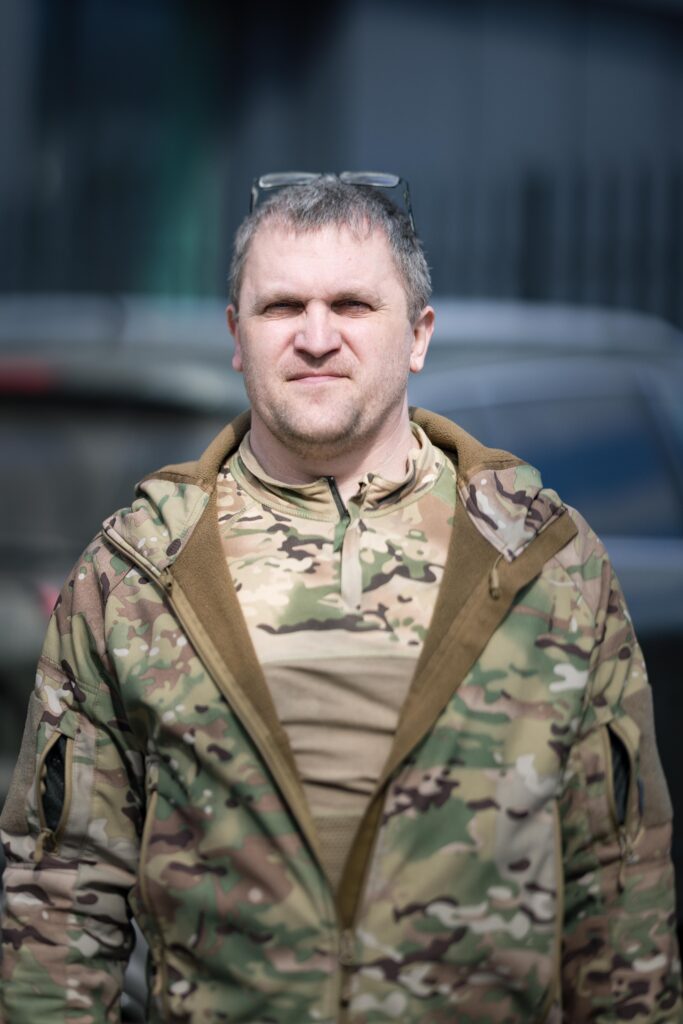
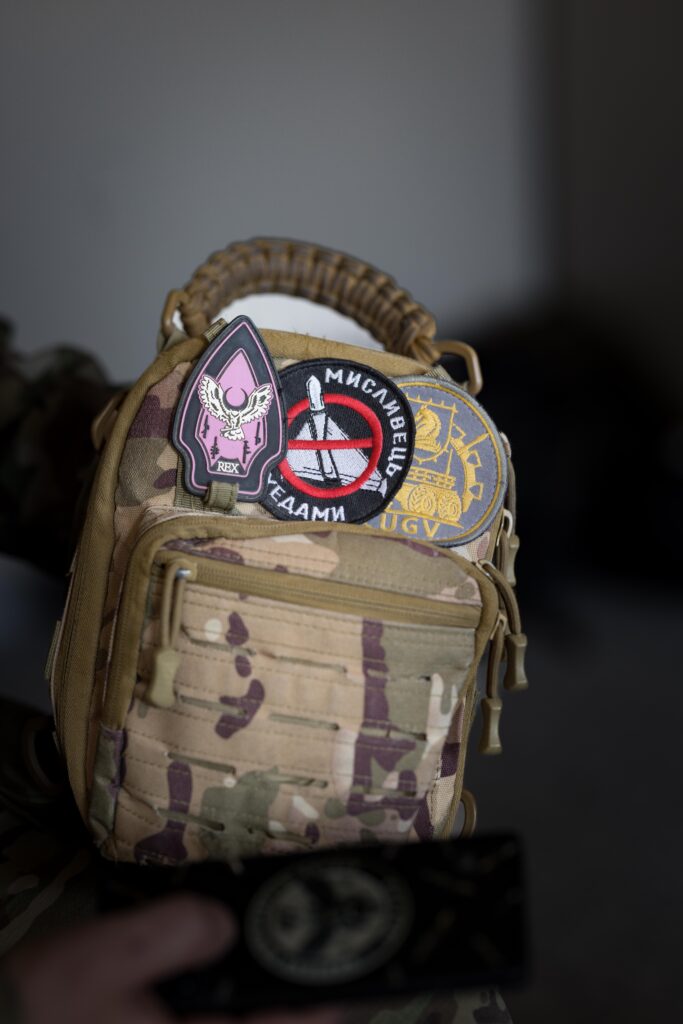
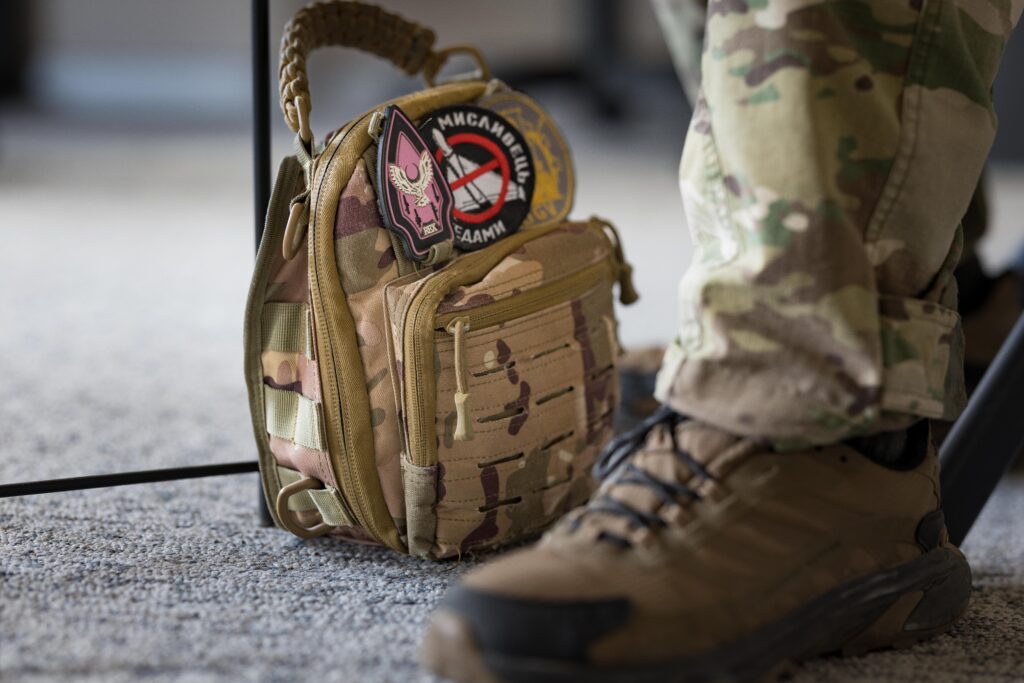
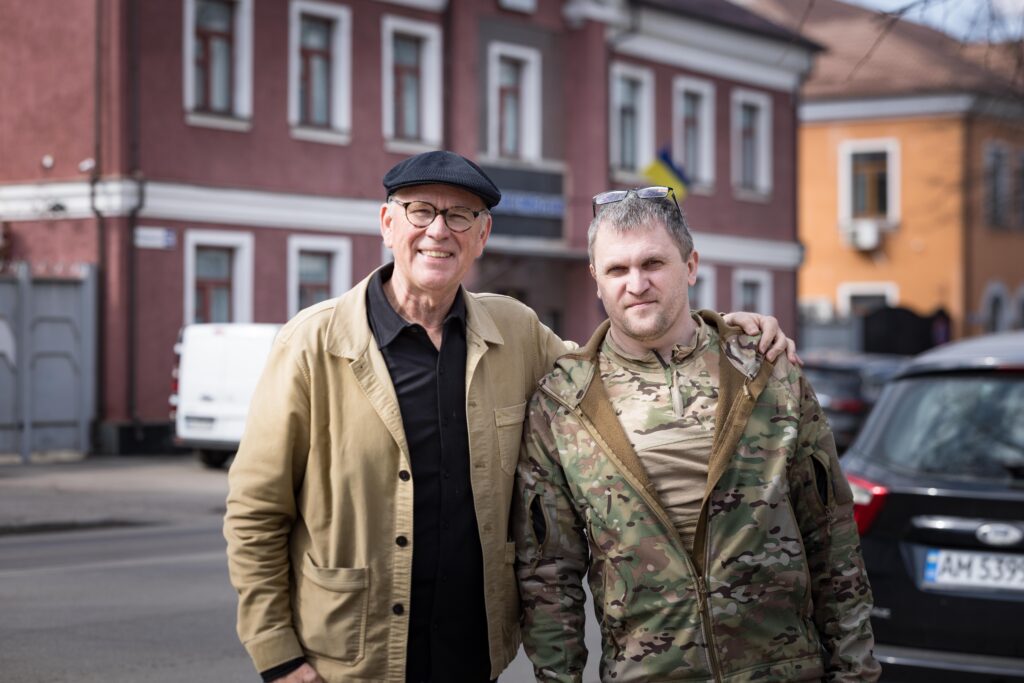
Before he ever told me his story, Zhenya’s backpack already said something about the life he had lived.
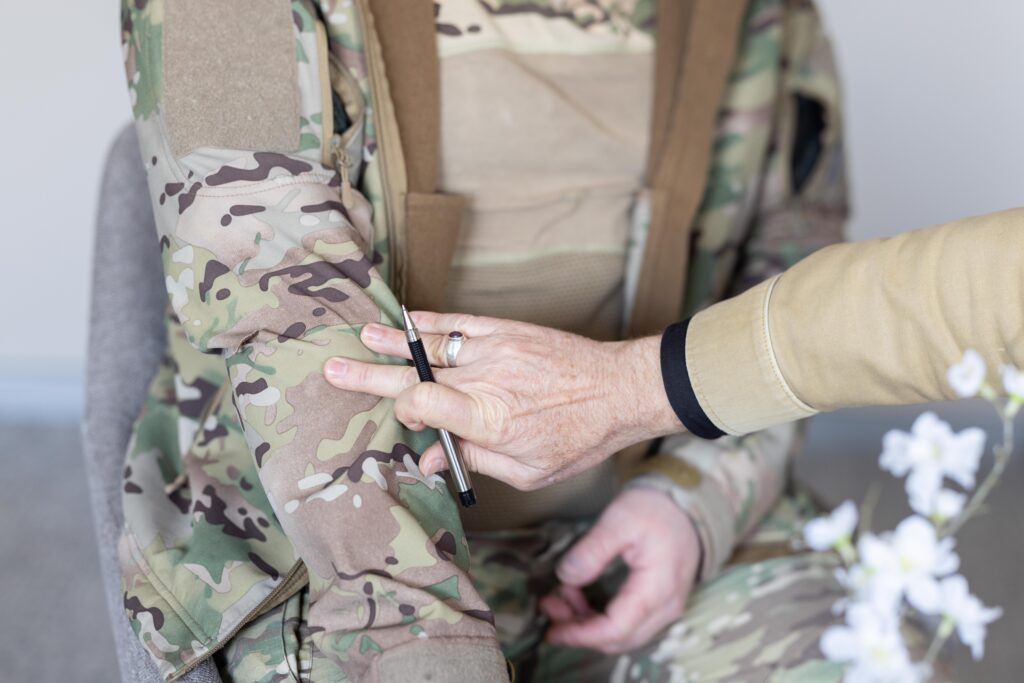
One patch marked him as part of a specialized anti-drone unit. Another referenced unmanned ground vehicles. Another carried the identity of his team. Together they spoke of a new kind of war—one fought not only with rifles and trenches, but with drones in the sky, machines on the ground, and men forced to think, move, and survive with split-second precision.
“Even now, the emptiness I felt in the orphanage is still there when I am alone.”
But long before the battlefield, Zhenya was a boy from the orphanage system.
He came to Shelter 1 as a teenager, and through those years Last Bell became one of the few steady threads in his life. Even now, as an adult living alone, he says the emptiness of orphan life still has a way of following him. Friends go visit parents and relatives. He returns to a rented apartment by himself. The ache of not having family did not disappear when childhood ended.
That is part of why his words caught my attention when he spoke about Last Bell.
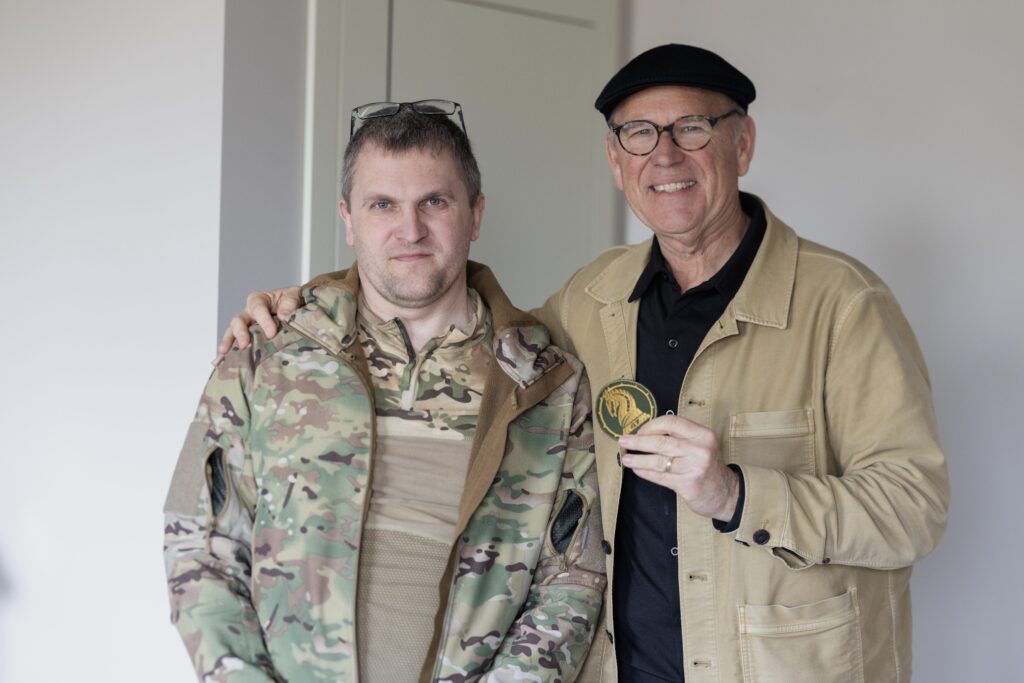
“Yes,” he said simply, when asked whether they had become family to him. “That is true.”
He did not romanticize the past. He admitted honestly that, as a boy, he did not yet understand the value of what he had been given. It was only later—under the crushing weight of war—that he began to understand the worth of people who stay, who help, who answer the phone when you call.
Before the war, he worked construction, remodeling apartments and doing interior work. Then Russia’s full-scale invasion came, and with it, the kind of decision that changes a life forever.
He chose to serve.
Not in the rear. Not in a safe post. He joined the 47th Brigade and served in intelligence.
He described war with the blunt clarity of someone who has seen too much to soften it for outsiders. In the early days, he said, people rushed in with patriotic emotion. But over time, reality taught its own lessons. Rockets, artillery, drones, chaos, bad commanders, dead friends—these things strip away illusion. War, he said, breaks people. Even volunteers.
His first mission took him into Russia’s Kursk region. It was an ambush. Twelve men went in. Four were killed almost immediately. Two more were wounded. Under machine-gun fire, artillery, and drones, they lay in the rain unable to retrieve the bodies of their friends. He could still hear some of them alive, but the fire was too intense to reach them.
He and his group were sent into a village to occupy the last house and observe the area. Russian fire fell around them almost immediately. Men coming through the forest to join them were wounded before they reached the house. Then an FPV drone exploded near Zhenya’s left ankle, driving shrapnel into his foot. The fragment stayed there for four days.
Inside the house, they dug a trench into the floor so they could crouch and fire from the windows. Assault groups came from different directions. Their ammunition began to run low. More men were wounded. More were killed. The roof itself eventually collapsed when another drone hit, beams crashing down on him hard enough to pin him and leave part of his body barely responsive.
At one point he pulled himself behind a kitchen door, knowing it might offer some protection if another grenade came in. But one of the wounded men beside him did not make it behind the door in time. The blast tore through his throat. Zhenya watched him bleed out in front of him, blood spraying across the room while smoke, panic, and helplessness swallowed the house.
His last mission would wound him so badly it would send him home.
That one was supposed to last half a day. Instead, it became four days inside a shattered house in Russian territory, about twenty-five miles from the Ukrainian border.
He told it without drama. Just truth.
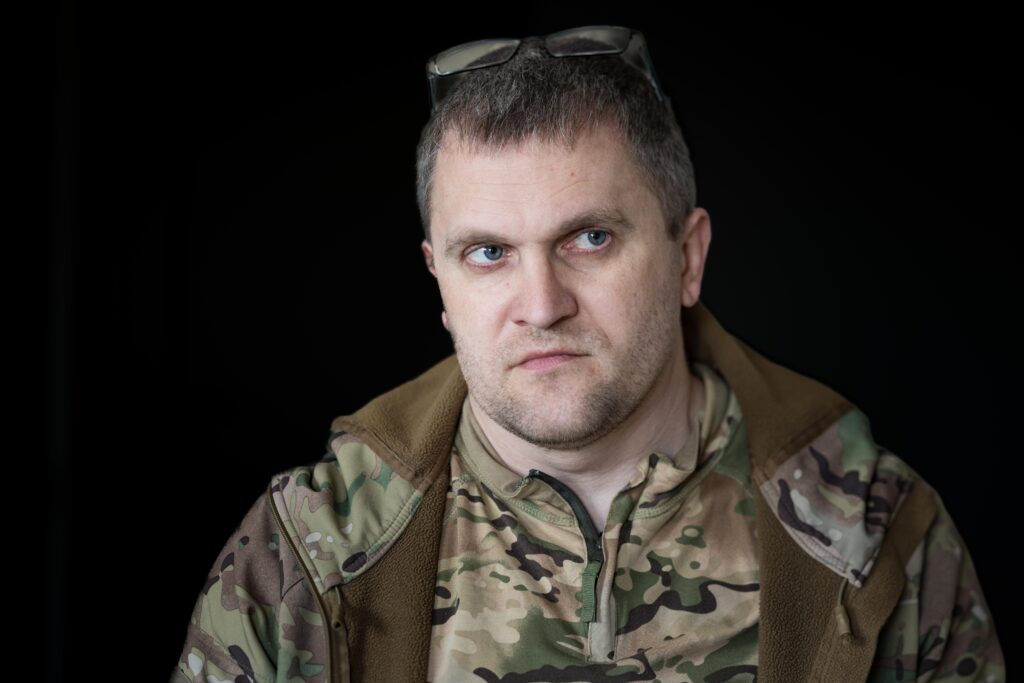
Later, when evacuation finally began, Bradley vehicles came under such intense attack that one was destroyed, another could not reach them, and another mistakenly turned its gun toward their direction. Eventually he crawled aboard one, only for drones to hit the rear ramp and fill the compartment with smoke. Trapped inside the armored vehicle with wounded men and ammunition around him, he thought again that this might be the end.
And yet he lived.
“When you are wounded and bleeding, you do not want money. You want water.”
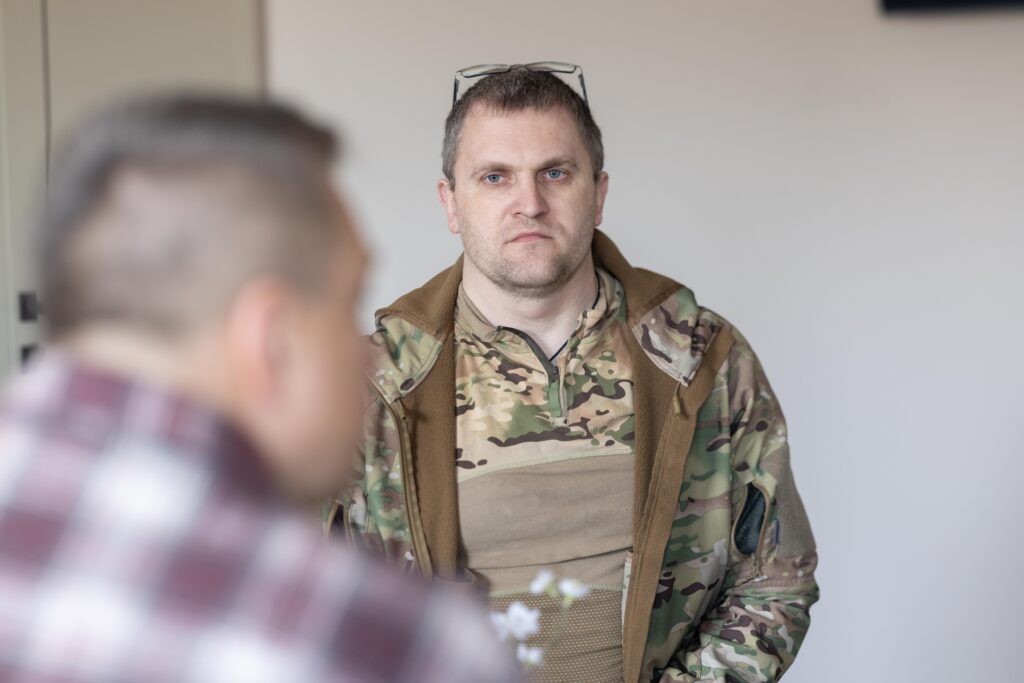
When he tried to explain it, he used a phrase others had spoken over him: a dome.
Not luck, exactly. Not a movie miracle. Just the deep conviction that someone greater than himself had covered him when everything around him said he should have died.
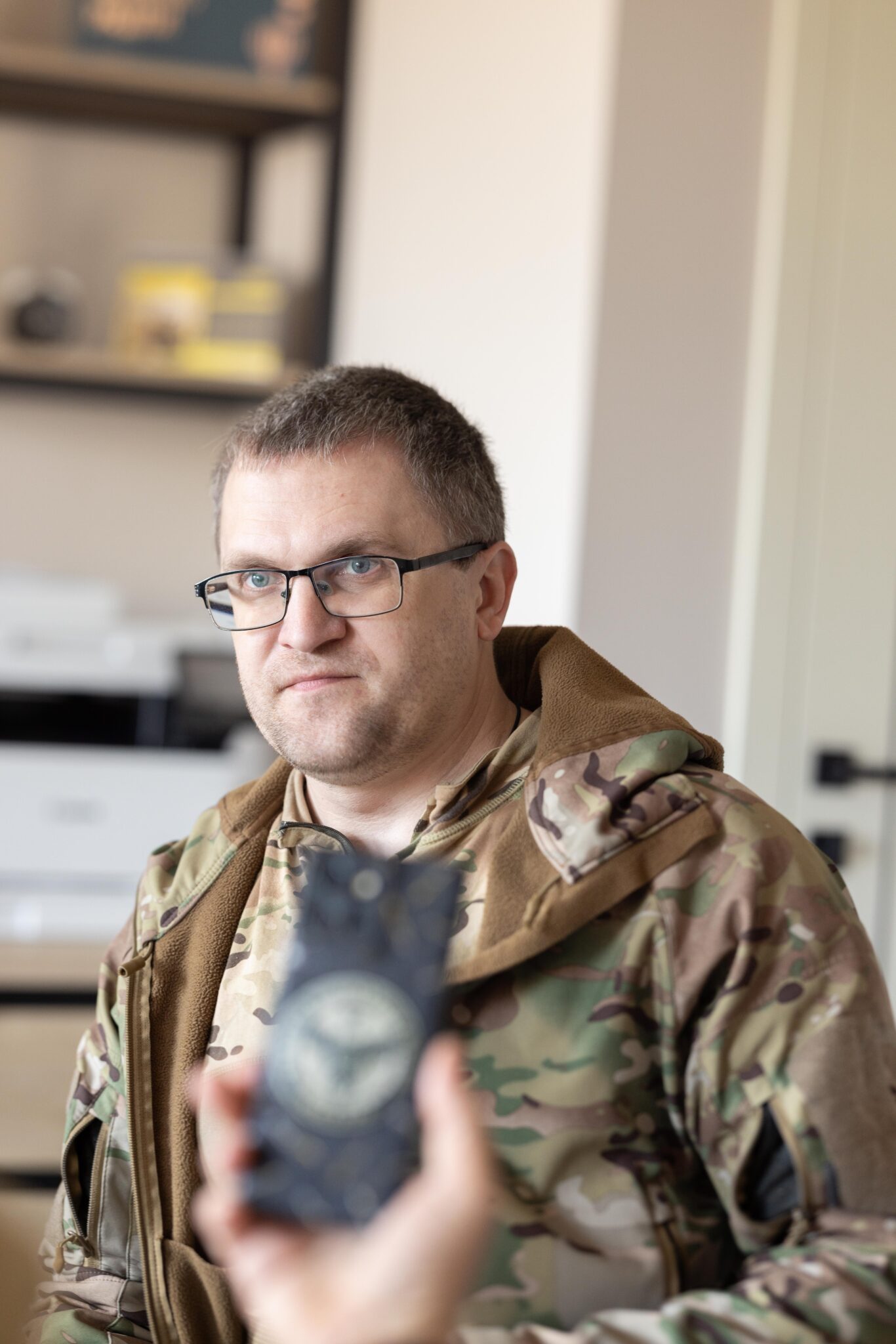
“When you are wounded and bleeding, you do not want money. You want water.” |
What struck me most was not only what he survived, but what he said he wanted in those moments.
Not money. Not possessions. Not some grand final speech.
Water.
Just water.
That detail says more about war than almost anything else I have heard in Ukraine. It strips away the heroic myths and leaves only the raw humanity of a wounded man, bleeding, thirsty, and trying to stay alive while chaos closes in from every side.
Even after being wounded, Zhenya returned to help evacuate other soldiers. Now, though still carrying injuries and ongoing health struggles, he continues to serve in another way—raising funds for drones and equipment, advocating with local officials, and doing what he can for the men he still calls his brothers.
And when I asked what he wanted people outside Ukraine to understand, his answer turned not first to soldiers, but to civilians.
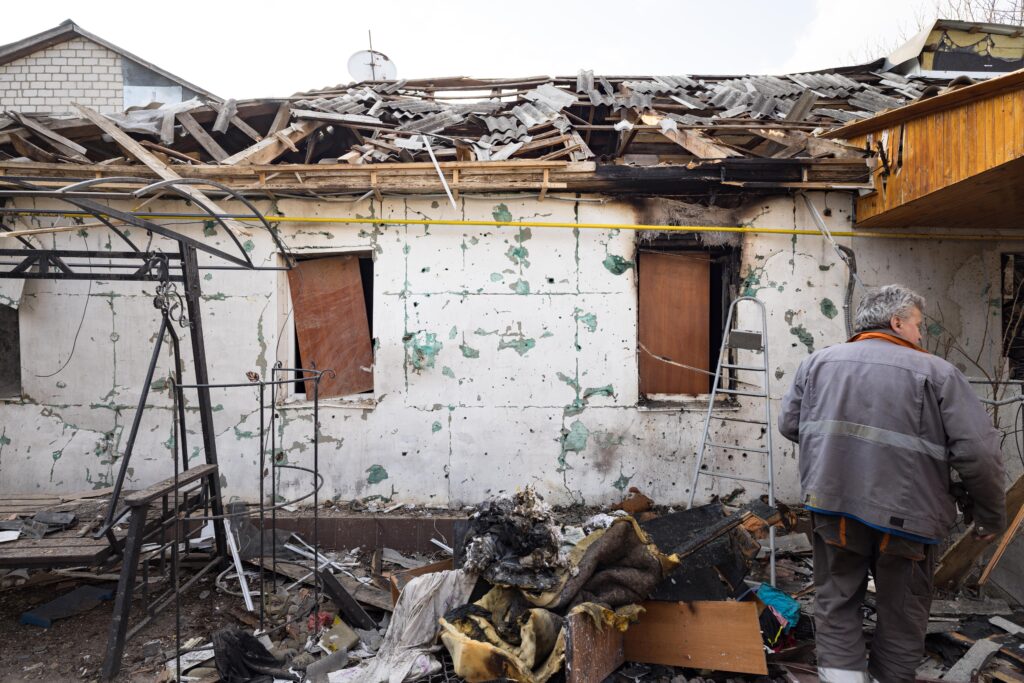
He spoke of old women in frontline villages, of houses built over a lifetime, of kitchens destroyed in a moment, of ordinary people living day after day with no assurance they will still have a home tomorrow. He did not want anyone else in the world to know this kind of war.
As I listened, I kept thinking about the orphan boy who once longed for family, the intelligence soldier who learned the value of human connection under artillery fire, and the wounded man who discovered, in the darkest places, that he had not been abandoned after all.
Sometimes grace does not arrive as rescue from danger.
Sometimes it arrives as people who keep answering the phone, keep helping, keep showing up, and keep reminding a man that he is not alone.
For Zhenya, that grace has looked a lot like family.
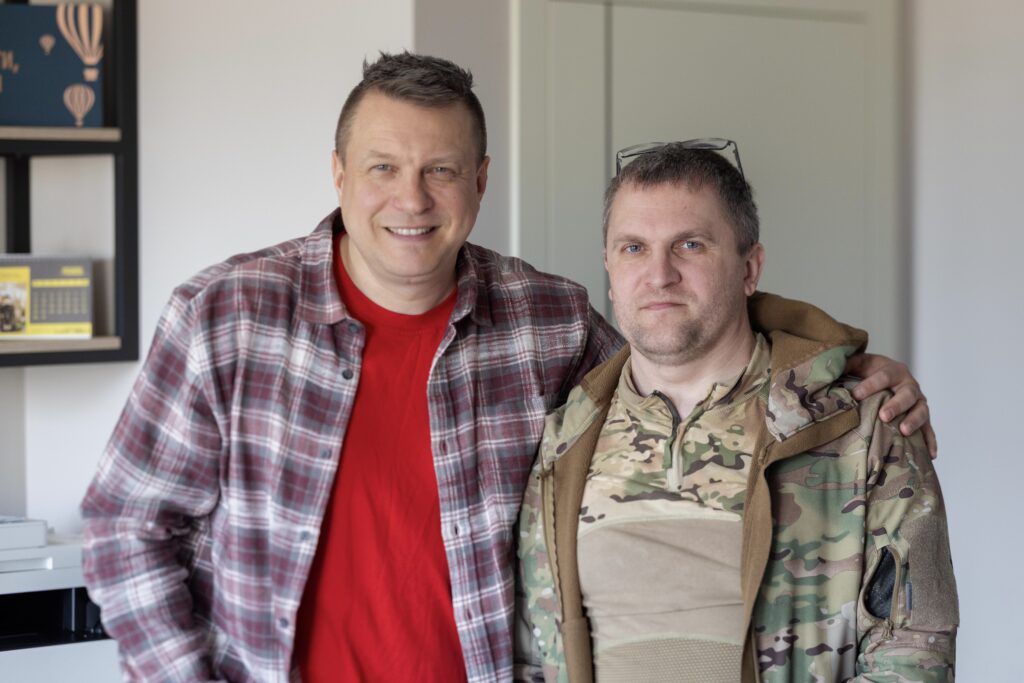
About Last Bell Ministries
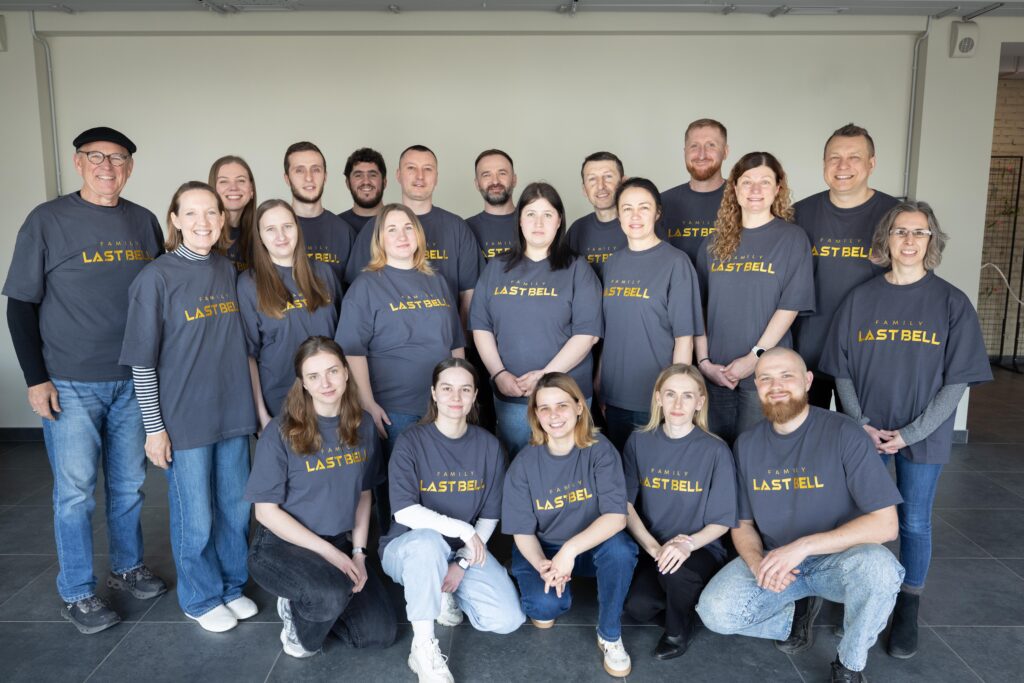
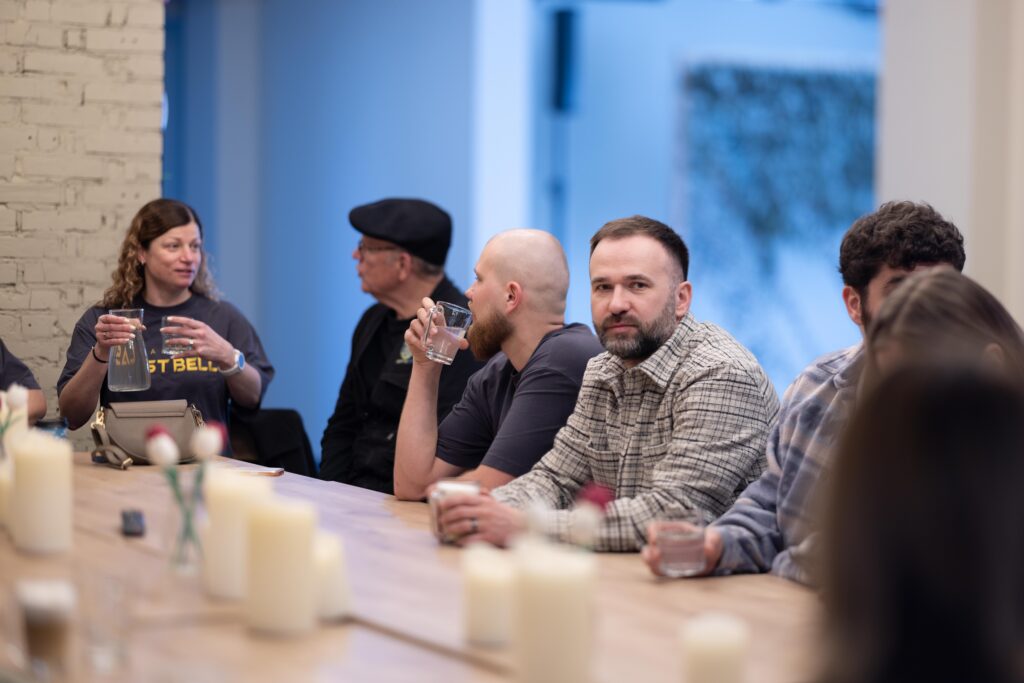
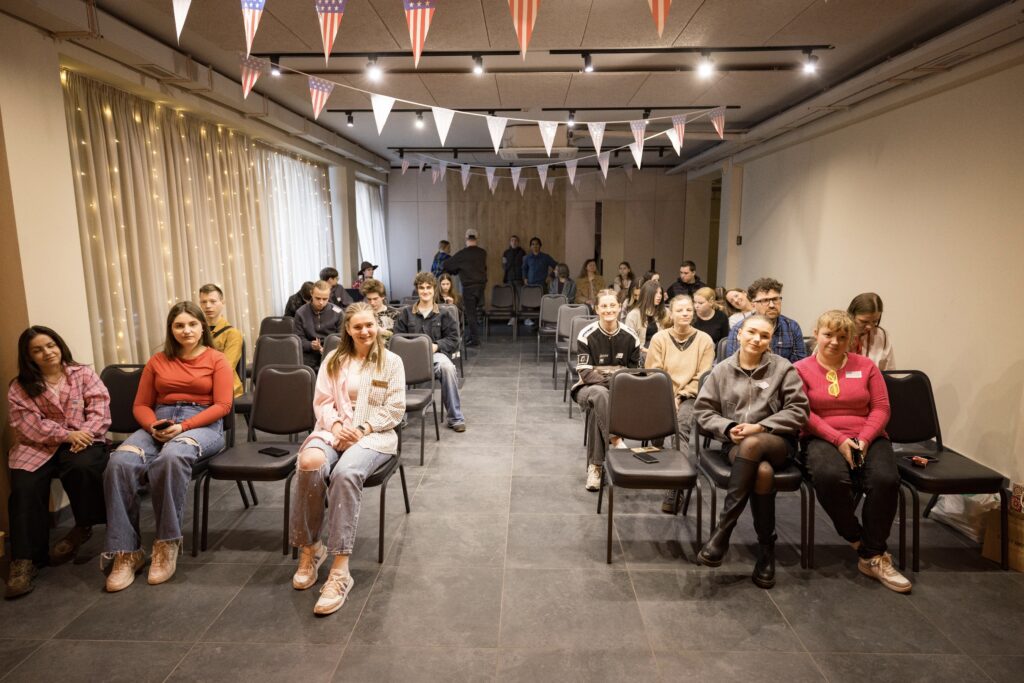
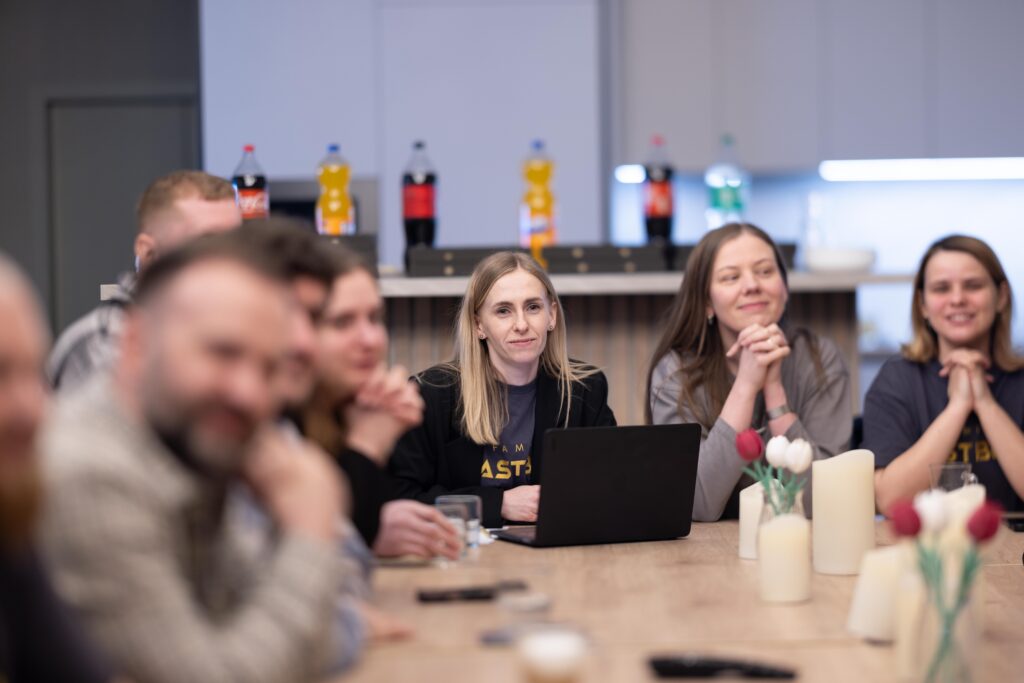
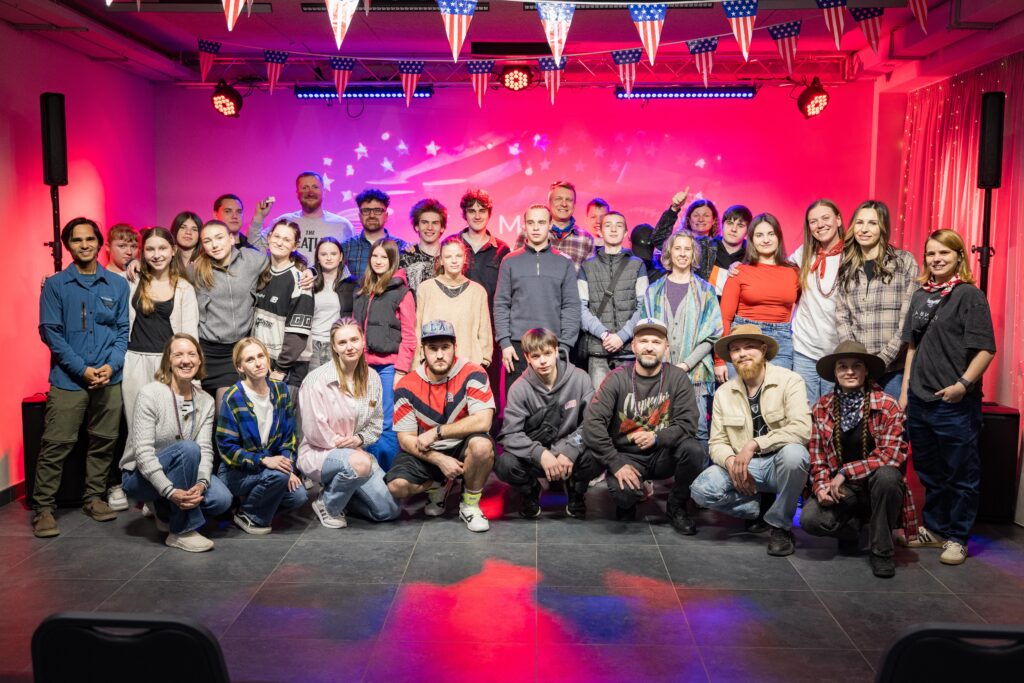
During my time in Zhytomyr, I didn’t just observe the work of Last Bell, I experienced it, in the laughter of young people gathered together, in quiet conversations filled with honesty, and in the steady presence of a community that feels like family.
During so many of the one to two hour interviews I conducted, I often asked a simple question, “If you could describe Last Bell in one word, what would it be?” After careful reflection, the most common answer was the same, family.
In Ukraine, the “Last Bell” marks a student’s transition into adult life. For orphanage graduates, it can be a moment of deep uncertainty. Last Bell Ministries meets them there, providing housing, mentorship, and community, helping turn a vulnerable ending into a hopeful new beginning.
I’ve seen firsthand how this kind of support changes lives, walking with young men and women through some of their hardest moments and helping them move from survival toward stability, healing, and belonging.
If you’d like to learn more about Last Bell or be part of this work, visit lastbell.org.
About Capturing Grace
Discover the story behind Capturing Grace and how my daughter Christina’s life continues to inspire this work at capturinggrace.org/about-us.

No Comments