




17 Apr When the Last Bell Rings
There are some stories that begin with strategy, planning, and a polished vision statement.
This is not one of them.
Last Bell began much more simply, and much more painfully, with people who kept coming back long enough to notice what others were missing.
Long before there was a ministry name, before there were staff, programs, buildings, and all the beautiful layers of care that now surround this work in Zhytomyr, there were orphaned children, frightened teenagers, summer camps, and a growing realization that for many of these young people, adulthood was not a celebration. It was a cliff.

Liz Zubko’s family first came to Ukraine on mission trips, serving children from Orphanage No. 4 in Zhytomyr. They knew the kids first as children running around camp, laughing, playing, and soaking up whatever affection and attention they could find. But even then, there were warning signs. Teenage girls were vulnerable. Boys were already tasting addiction. The children were exposed, unprotected, and living with a kind of fragility that was easy to miss if you only looked briefly.
But if you stayed close, if you listened, if you let their stories get inside you, the reality became impossible to ignore.
These children were not just growing up poor. They were growing up without family, without protection, and without any real preparation for life beyond the walls of the orphanage. At fifteen, many would leave for trade schools and dormitories, stepping into a world they did not understand and that was not ready to receive them with tenderness. For many, the path ahead led toward exploitation, addiction, crime, despair, or simply being swallowed by neglect.
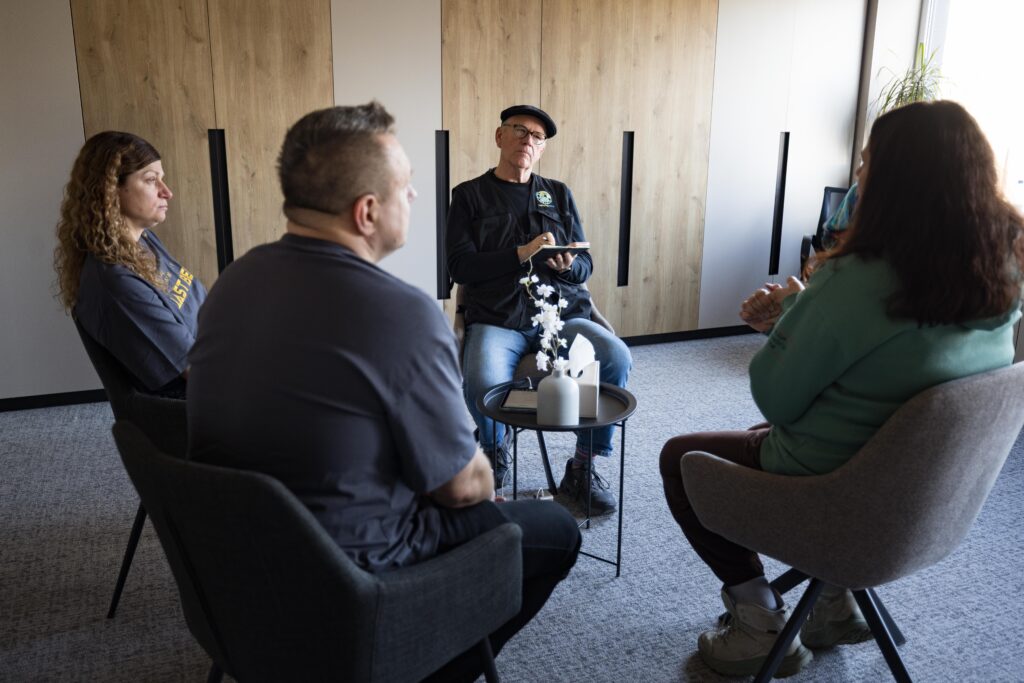
What struck me most in hearing this origin story was that Last Bell did not begin because someone wanted to start a nonprofit. It began because certain faces would not go away. Certain names stayed in the heart. Certain girls mattered too much to forget.

Liz described how her mother and aunt had both unknowingly served the same group of girls through different ministries. When they realized it, something began to form. What would happen to girls like these when they grew up? Who would be there then?
That question would not leave them alone.
For Liz, the call became unmistakably personal. After returning to the United States, she woke up one morning with what she described as a black and white conviction from the Holy Spirit, that she was responsible for the children graduating from that orphanage. Not responsible in some vague emotional sense. Responsible.
She returned to Ukraine on what was supposed to be a short trip and never used her ticket home.
That kind of obedience runs all through the story of Last Bell.
At first, the ministry’s vision took the form of small apartments for boys and girls, with caregivers offering a safer alternative to the instability waiting for them after graduation. But the work kept evolving. Doors closed. Plans changed. The government made some models impossible. The early leaders had to keep asking not, “What do we want to build?” but, “Lord, what are You actually asking us to do?”
Eventually one thing became clear. These young people did not just need services. They needed family.
Not family in the sentimental sense. Family in the daily, sacrificial, inconvenient, healing sense. A home. Stable adults. A place that felt the same every time they walked through the door. A place where someone remembered their name, listened to their story, celebrated their birthday, argued with them, corrected them, fed them, prayed for them, and kept showing up.

That is when Liz knew the ministry needed something specific, a mom and a dad.
And that is where Andriy Pankyyev and Oksana Pankyeyeva enter the story.
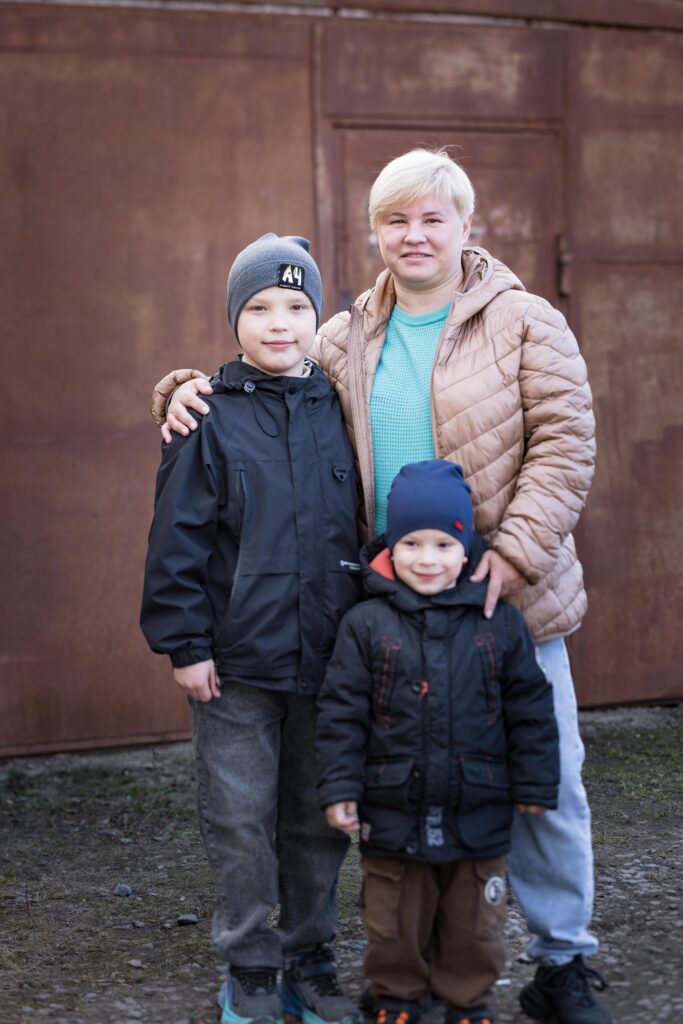
When Liz first approached them, they were a young family with small children and a full life already. They were serving in church, involved in ministry, and by their own admission, not looking for this. In fact, nearly everyone they asked for counsel told them not to do it.
It would cost too much. It would disrupt their family. It would expose their children to too much pain and too much unpredictability.
And yet both of them felt the same quiet, haunting conviction.
Jonah.
They knew enough to know they did not want this, and enough to know that God was asking anyway.
Oksana remembered earlier moments when the Lord had already been preparing her heart, a prophecy that she would be “a mother to many young women,” and a growing burden for children suffering abuse in their own families. Andriy remembered a sermon on Gideon, how God often calls people who are afraid, but if He calls them, He equips them.
So they said yes.
That yes helped shape the heartbeat of Last Bell as it became known in Zhytomyr, a ministry rooted not in efficiency, but in presence.

They moved into the life of these young people with their whole hearts. Those early years became what they still call the “golden years.” A Shelter became more than a building. It became home. Their own children grew up with older brothers and sisters always around. Holidays were spent together. Meals were shared. Games were played. Lullabies were sung. Teenagers who had gone to sleep for years dreaming of a mother and father began calling Andriy and Oksana “Mom” and “Dad.”
That did not mean it was easy.
Far from it.
The stories the young people carried were devastating. Severe abuse. Abandonment. Violence. Addiction. Parents dying. Children learning from their earliest years that they were not safe. Some nights the staff could not sleep after hearing what one more child had lived through. And even spiritually, the fruit came slowly. They loved these young people deeply, pointed them to Christ faithfully, and often saw little visible change for years.
But love was doing its quiet work.
One of the most powerful things shared in the interview was the realization that unconditional love had prepared some of these young people to one day receive the unconditional love of Christ. Not quickly, not mechanically, not through pressure, but through years of patient presence.
That kind of ministry rarely looks dramatic in the moment. It looks like dinner, laughter, tears, repeated conversations, second chances, and somebody still answering the phone years later.
Over time, the ministry grew. When the orphanage system changed and doors closed, Last Bell adapted. They moved into trade schools, building relationships with students there. Later, they began to see another pattern, that many of the children coming from orphanage backgrounds were now becoming parents themselves, and without intervention, the same wounds would be passed down again. That insight helped give birth to Stop the Cycle, one of the most important expansions of the ministry’s vision.
Today, Last Bell is far more than what those early founders could have imagined. There are facilities, staff, programs, vehicles, partnerships, and wider reach. But hearing the origin story made it clear that the deepest miracle is not organizational growth.
It is transformed people.
Former orphaned youth now serve on staff. Women once described as chaotic and hopeless are now leading others. Children who once stood at windows waiting for someone to come get them have grown into adults who now help welcome the next frightened teenager through the door.
And still, the story is not without sorrow.




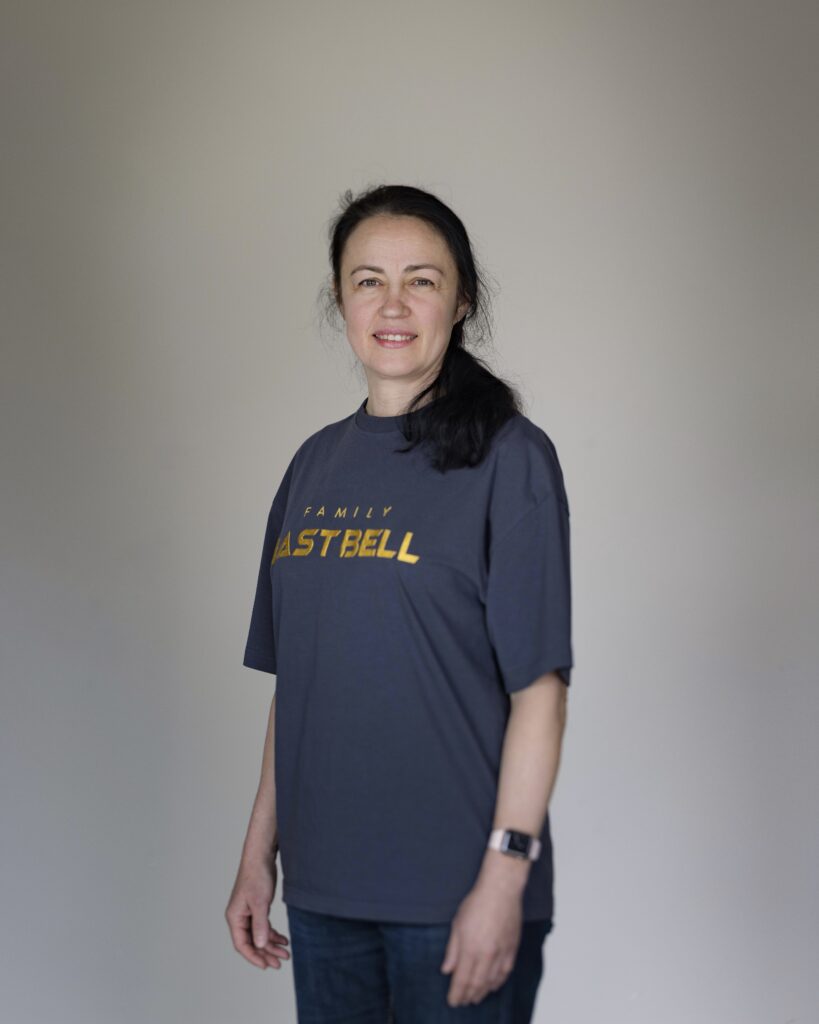


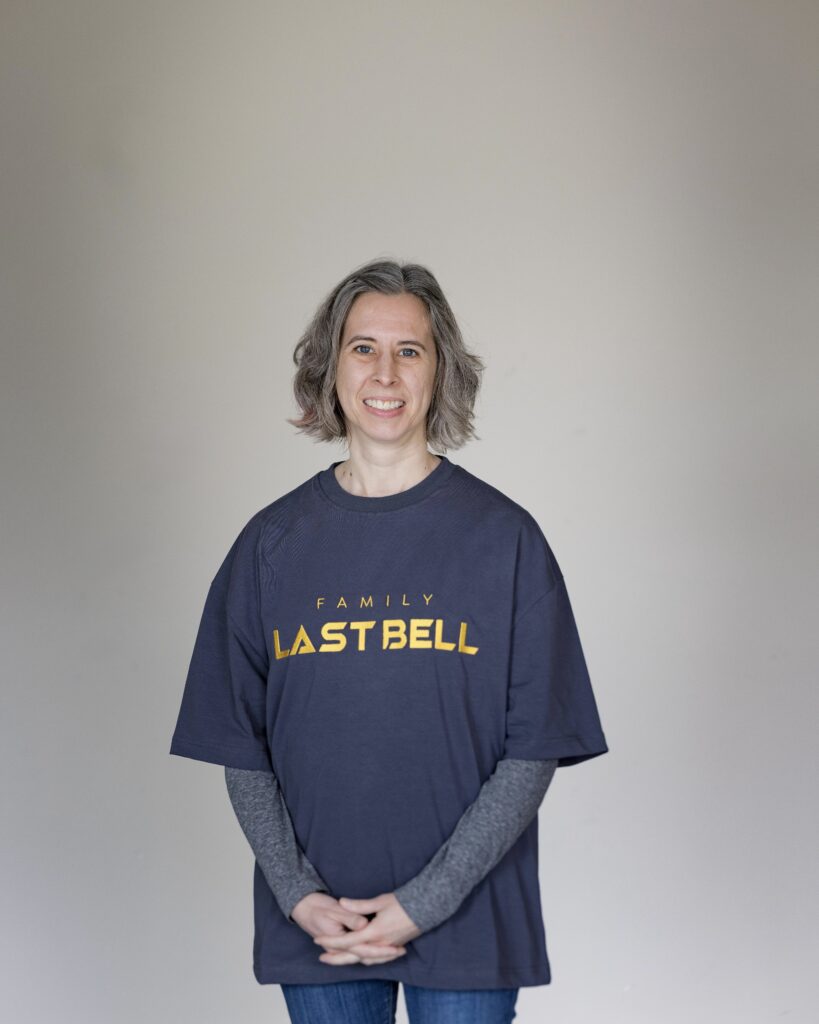

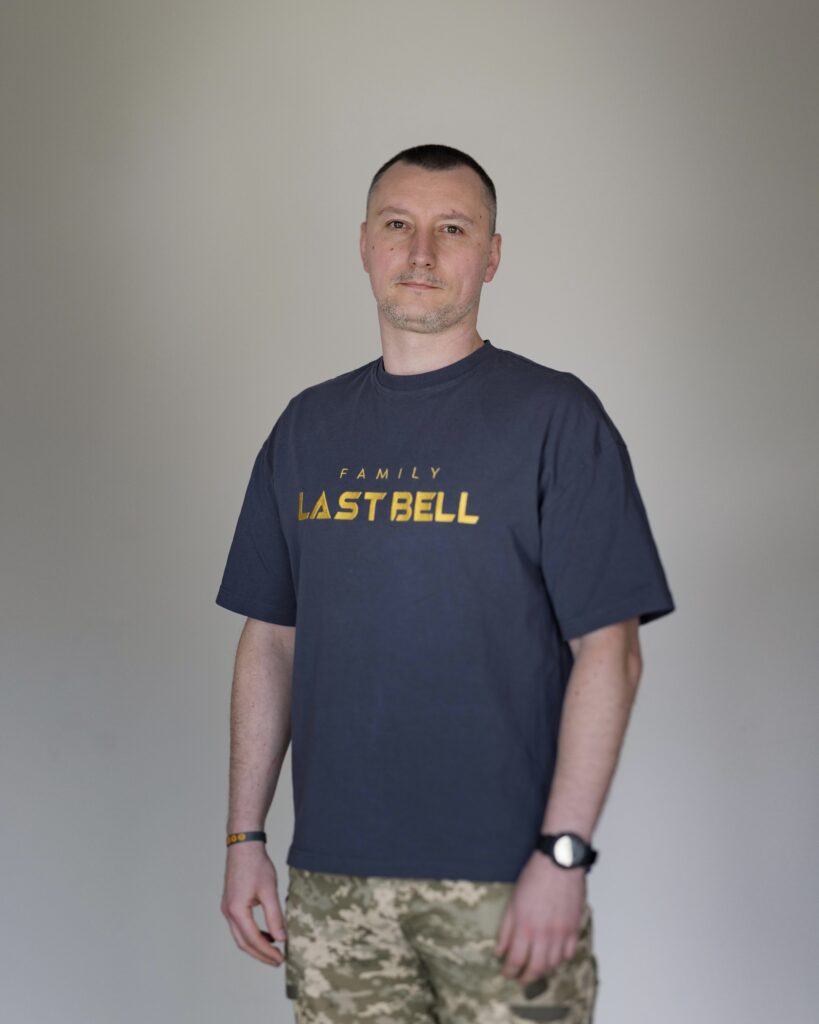







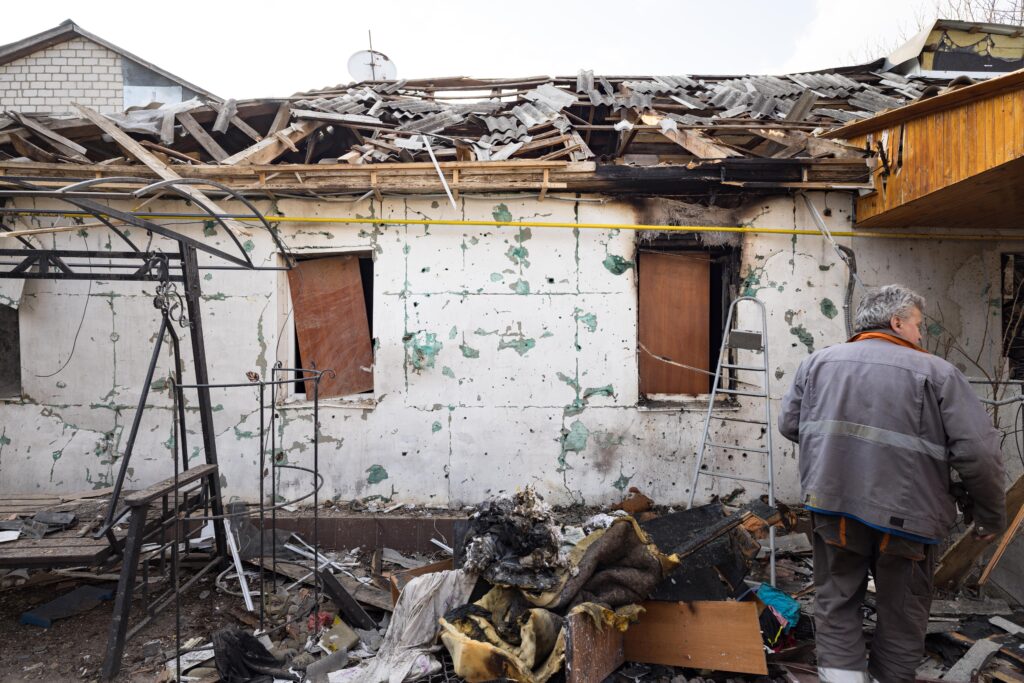
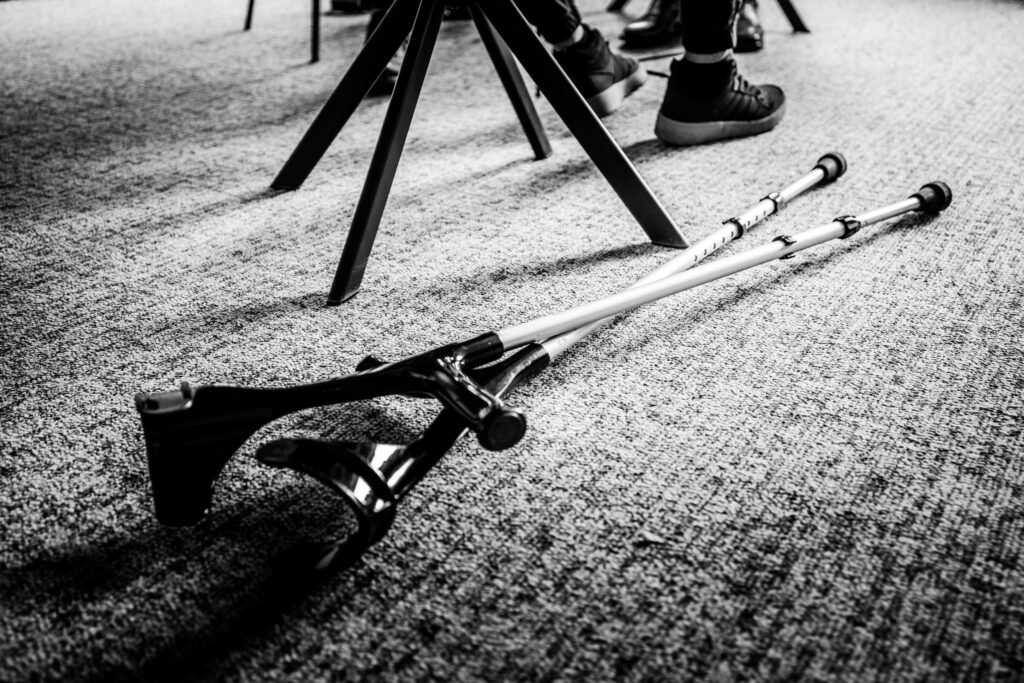
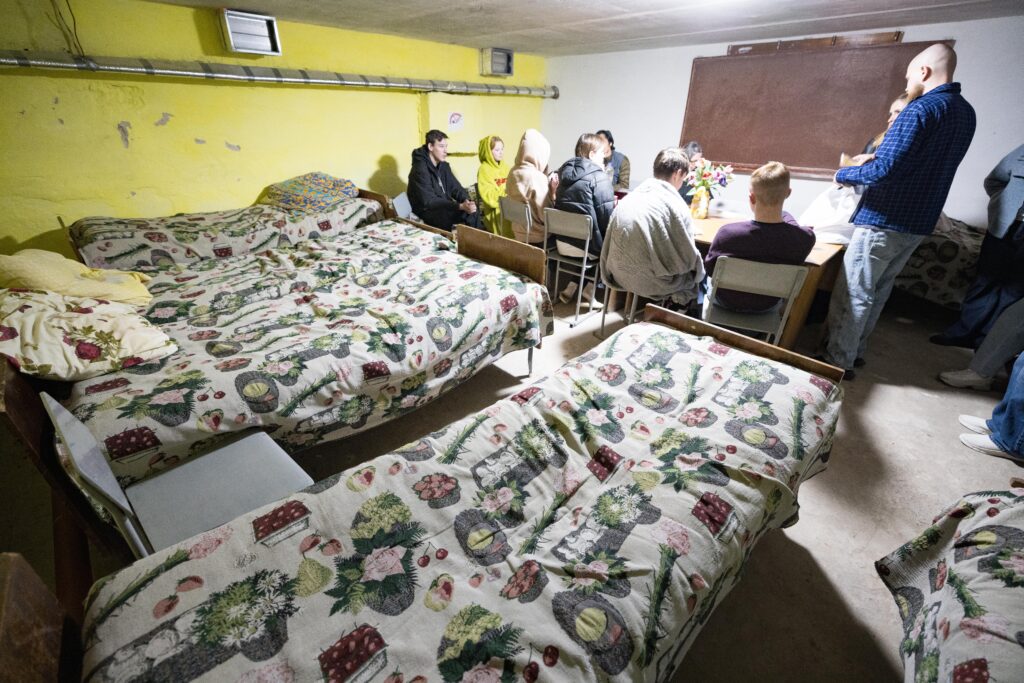
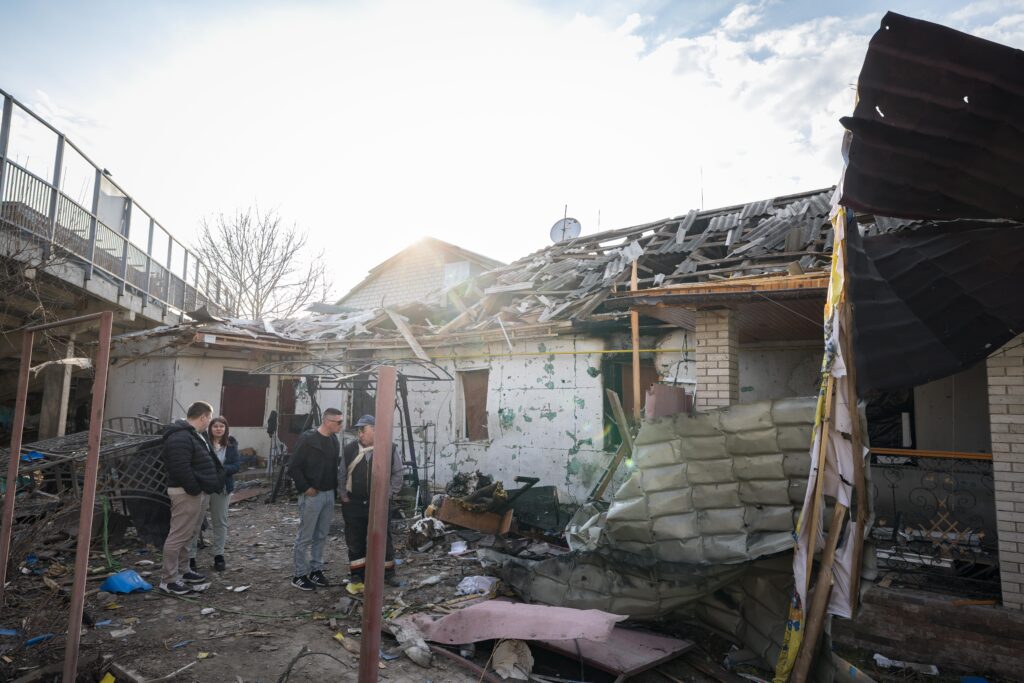
The war now hangs over everything in Ukraine, including this ministry. Some of the young men who once came through Last Bell have died in battle. Their photographs now appear in cemeteries and memorials. Their absence is deeply felt.
Even in a story full of beauty, that grief remains.
And yet hope remains too.
When I asked what gives them the most hope, the answer was simple. God is in control. And then, just as importantly, they pointed to the fruit, orphans serving orphans, lives saved, cycles interrupted, families rebuilt, children who did not become the next generation of abandoned children.
That is the kind of hope you can touch.
In Ukraine, the “Last Bell” marks a student’s transition into adult life. For many orphanage graduates, that moment can feel like stepping off the edge of everything familiar into a frightening unknown. But this ministry was born out of the conviction that such a moment does not have to be the end.
Sometimes what changes a life is not one dramatic rescue.
Sometimes it is simply this, someone heard the bell ringing, understood what it meant, and decided they would be there waiting on the other side.
About Last Bell Ministries
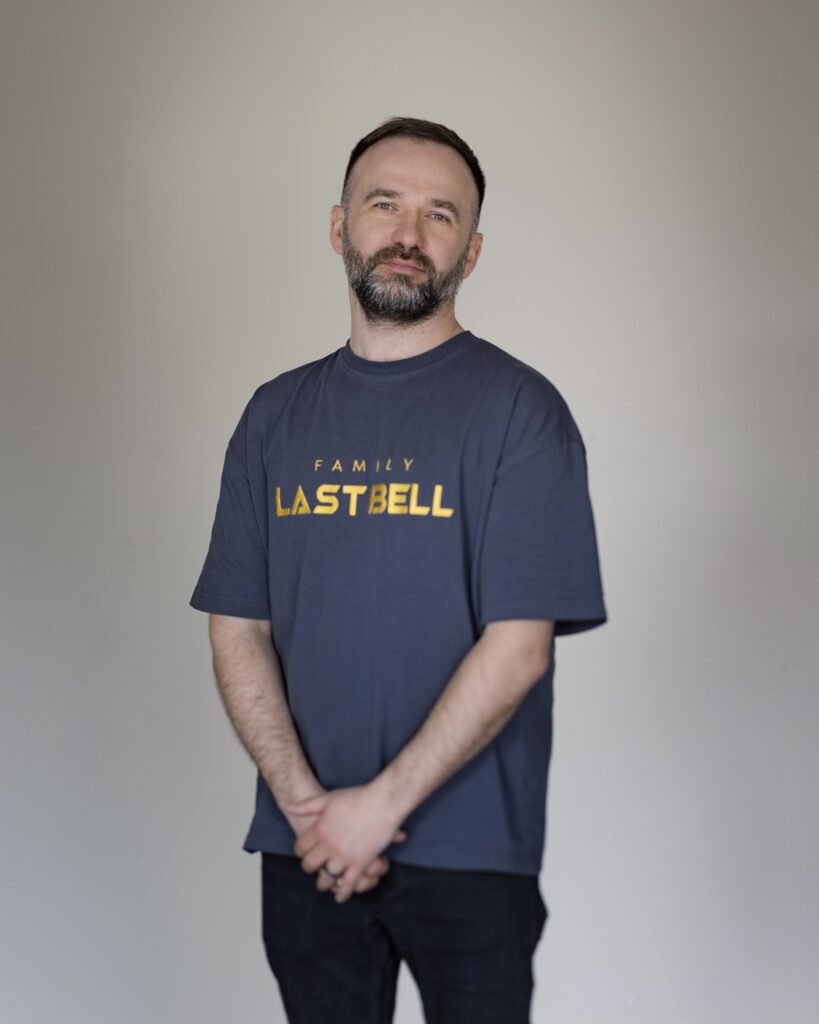
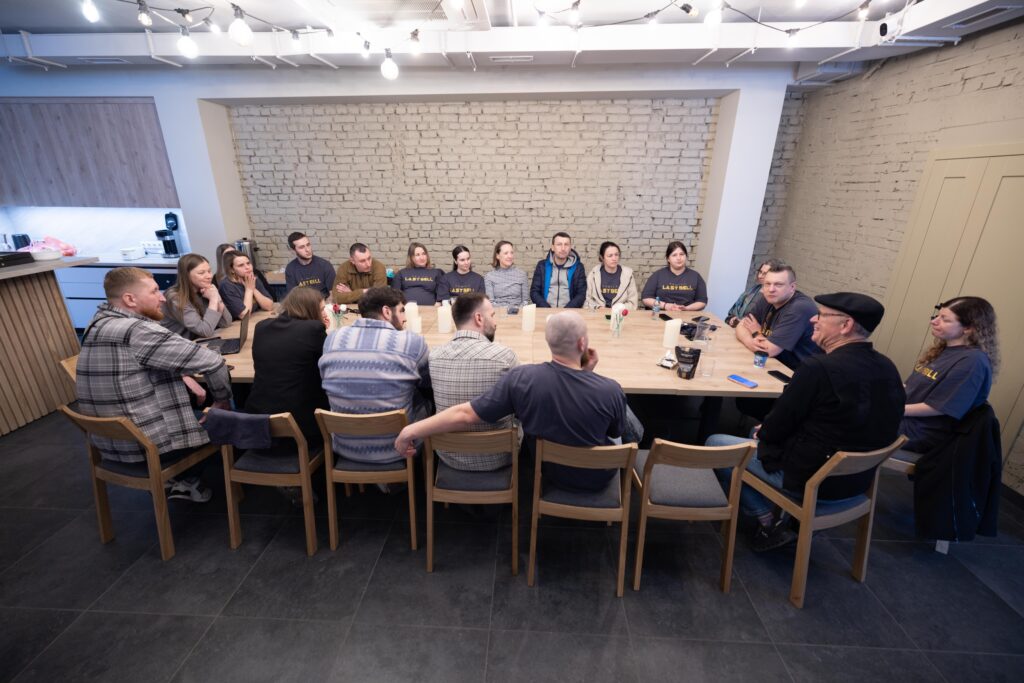
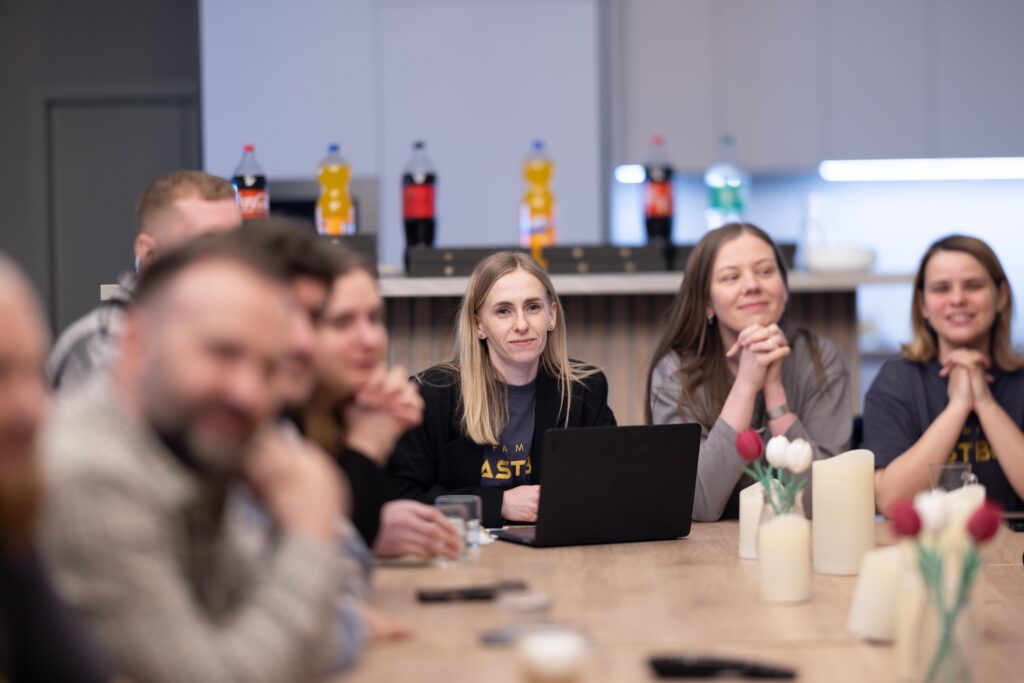
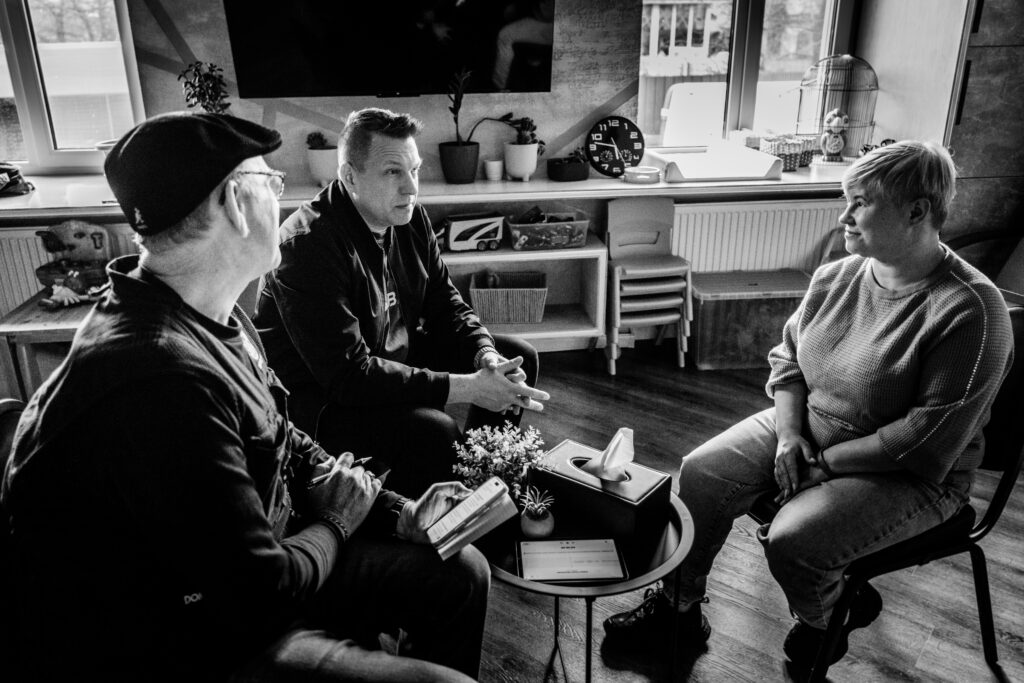
During my time in Zhytomyr, I didn’t just observe the work of Last Bell, I experienced it, in the laughter of young people gathered together, in quiet conversations filled with honesty, and in the steady presence of a community that feels like family.
During so many of the one to two hour interviews I conducted, I often asked a simple question, “If you could describe Last Bell in one word, what would it be?” After careful reflection, the most common answer was the same, family.
In Ukraine, the “Last Bell” marks a student’s transition into adult life. For orphanage graduates, it can be a moment of deep uncertainty. Last Bell Ministries meets them there, providing housing, mentorship, and community, helping turn a vulnerable ending into a hopeful new beginning.
I’ve seen firsthand how this kind of support changes lives, walking with young men and women through some of their hardest moments and helping them move from survival toward stability, healing, and belonging.
If you’d like to learn more about Last Bell or be part of this work, visit lastbell.org.





















About Capturing Grace
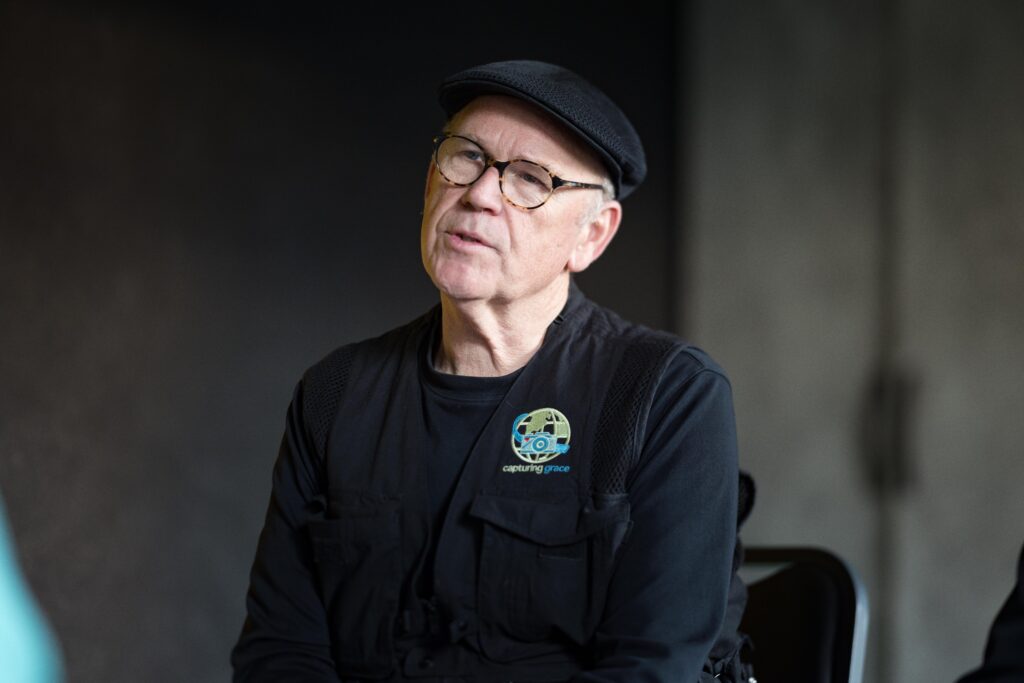
Discover the story behind Capturing Grace and how my daughter Christina’s life continues to inspire this work at capturinggrace.org/about-us.

No Comments