


30 Jun Nastya: The Heart That Remained
It was Valentine’s Day.
Nastya was just a little girl, carefully preparing small cards for her classmates, each one filled with the kind of simple love only a child knows how to give. The kind that doesn’t ask questions. The kind that believes the world is still safe.
She remembers being excited that morning. Dressed, ready, carrying those little notes in her hands… walking into what should have been an ordinary day. But before the day could begin, her principal stopped her. “Come back later,” she said. “We need to talk.” Nastya already knew. Even before the words were spoken, something inside her understood that life, as she knew it, had just changed.
That day, Nastya would learn that her grandmother—the most important person in her life—was gone.
But to understand that day, you have to understand the losses that came before it.
Before Everything Changed
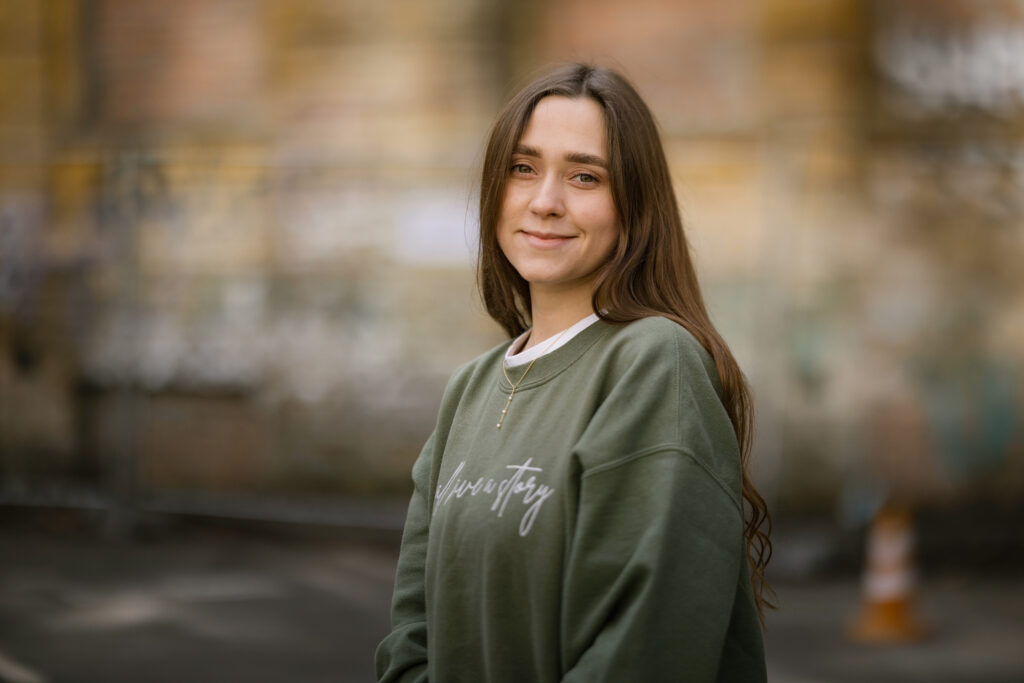
Nastya was raised by her mother and her grandmother.
Her father was absent—someone she had never known.
Her mother was there, but not fully there. There were no deep conversations, no emotional closeness. Just presence without connection.
So it was her grandmother who became everything.
The one who raised Nastya.
The one who cared for her.
The one who carried the weight of her childhood.
There were small moments of light.
Her mother helping Nastya prepare for school.
Teaching her to read.
Sitting beside her.
Those moments stayed.
Because they were rare.
But most of Nastya’s world was built around her grandmother.
Strict at times.
Strong in her own way.
Trying to hold life together.
And then…
loss began to enter Nastya’s life.
Her aunt Natasha died first.
She was only 24.
A fire. Caused by smoking.
Nastya was just a little girl.
Six years old.
Nastya remembers the moment someone came to tell them.
She remembers her grandmother’s reaction.
Screaming. Grieving. Breaking.
And Nastya herself?
She felt nothing.
Not because Nastya didn’t care.
But because something in her shifted.
“I was worried about my grandmother,” she said.
Even as a child—
Nastya stepped into the role of protector.
Already learning:
Her pain could wait.
Someone else needed her more.
The Day Everything Broke
Two years later, Nastya and her grandmother went to the market.
Just a normal day.
To visit her mother and aunt.
To say hello.
But something was different.
People were quiet.
They were told to keep walking.
To go talk to someone else.
And there—
in a single moment—
everything changed.
Her mother and her aunt had been killed.
A car accident.
Both of them.
At the same time.
Nastya was nine years old.
She wasn’t there when it happened.
She learned about it afterward.
A man who had been there
began describing what he had seen.
Too much.
Too graphically.
Horrible details
no child should ever have to hear.
Again—
Nastya didn’t cry.
Again—
she felt nothing.
Only fear.
Not for herself.
But for her grandmother.
“I was afraid to lose her too.”
That was the only emotion that came.
Instead of grief,
her body carried the shock.
She threw up.
Again and again.
Later, Nastya would learn more.
The drivers were known.
But instead of justice—
there was money.
A small amount.
Offered with cruelty.
“Be grateful you got anything.”
Her grandmother accepted it.
Because she needed it.
And at nine years old—
Nastya understood something no child should ever have to understand.
That the world could be unfair.
And that sometimes—
no one would make it right.
The Orphanage
Her grandmother tried to care for Nastya.
But her health was failing.
There was no money.
No stability.
And eventually—
there was no choice.
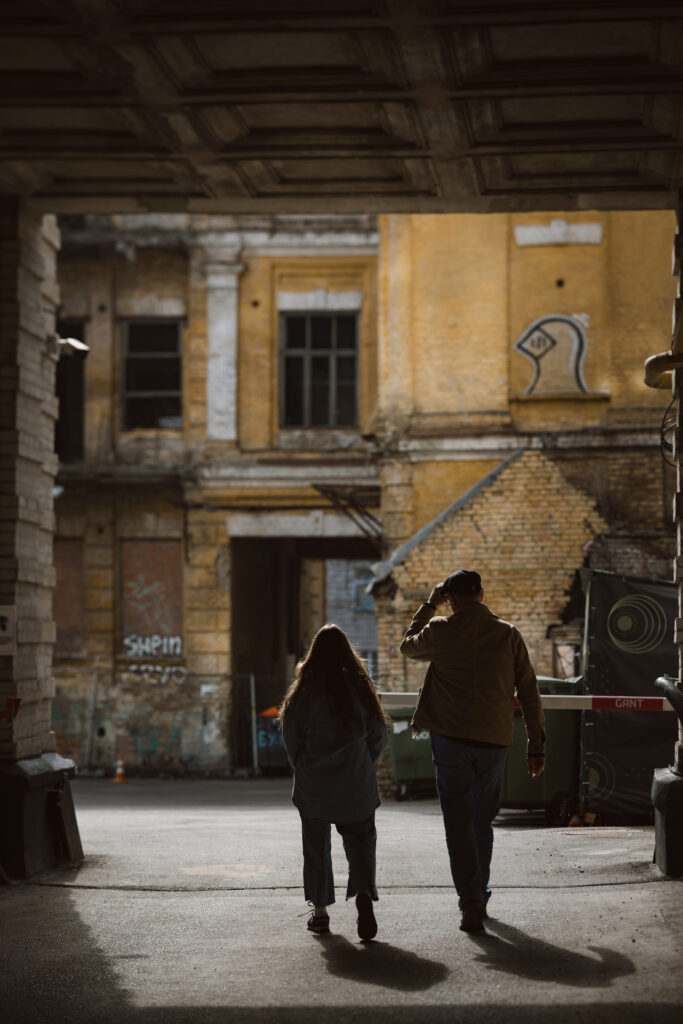
Nastya had to go to an orphanage.
“I tried to escape,” she said.
She ran.
For an hour.
Police and social workers chasing her.
Nastya didn’t want to leave.
She remembers being on her knees—
praying—
begging to stay.
But she couldn’t.
Because love…
wasn’t enough.
Her grandmother simply couldn’t care for her anymore.
And so Nastya entered the system.
Not just one place—
but multiple stages.
A government intake center first.
Where they evaluated her.
Because she had run.
Because she resisted.
They thought something might be wrong with her.
She stayed there for a year.
Then—
Nastya was placed in a permanent orphanage.
Where she would spend the next six years.
And here—
something unexpected happened.
She found care.
“I loved the caregivers,” she said.
It wasn’t perfect.
But it felt like home.
She had friends.
Food.
Stability.
And in contrast to the chaos she had known—
this place gave Nastya something she hadn’t experienced before:
Consistency.
Even joy.
But life outside those walls…
was still breaking.
Her grandmother became poorer.
Sometimes sleeping at a train station.
When Nastya visited—
Nastya would hide food.
Save it.
Give it to her.
Even as a child—
Nastya was still caring for the one who once cared for her.
And then—
Valentine’s Day.
Nastya was twelve.
Excited.
Dressed up.
Carrying cards she had written.
A normal day.
Until the principal called her in.
Nastya knew.
Before the words were spoken.
She went to the bathroom first.
To wash her face.
Because she knew she would cry.
And then—
they told her.
Her grandmother had died.
Her last person.
Gone.
And even then—
something held her back.
“I couldn’t grieve,” she said.
“I felt like I wasn’t allowed.”
So instead—
people tried to distract her.
Drawing.
Singing.
Activities.
But inside—
something deeper was happening.
Nastya felt guilt.
Because she had always dreamed—
that one day she would grow up…
earn money…
and take care of her grandmother.
And now—
she never could.
The Turning Point
Years later—
as Nastya prepared to leave the orphanage—
someone new entered her life.
Zhenya.
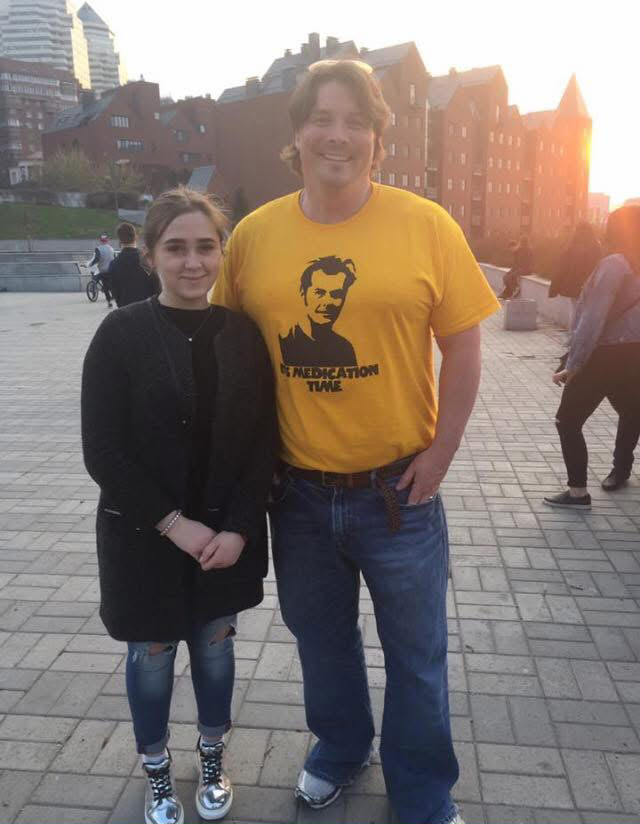
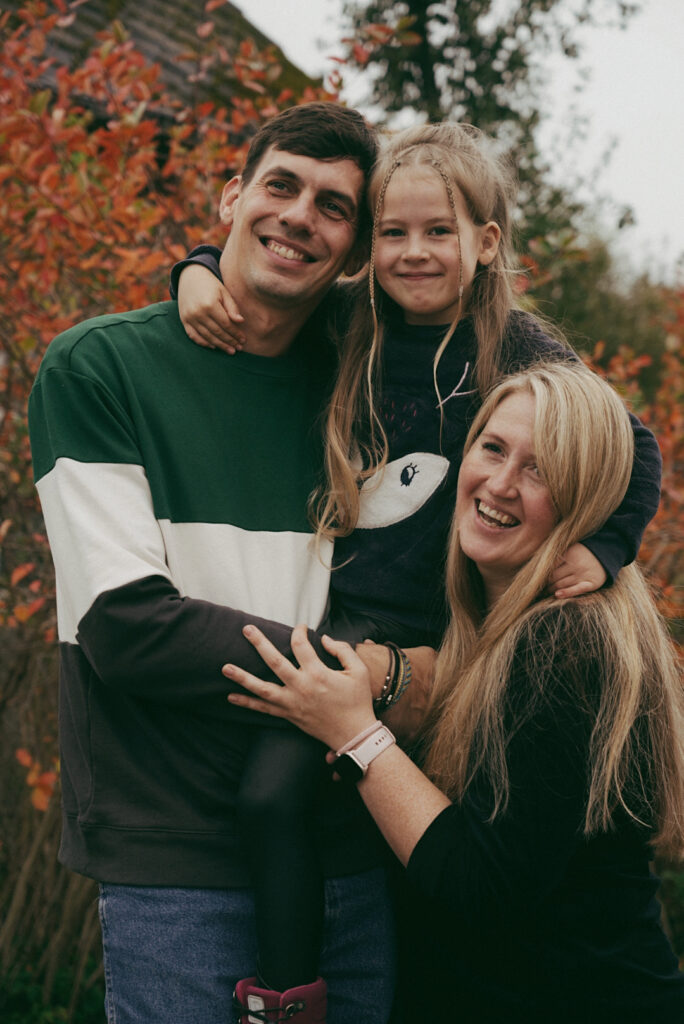
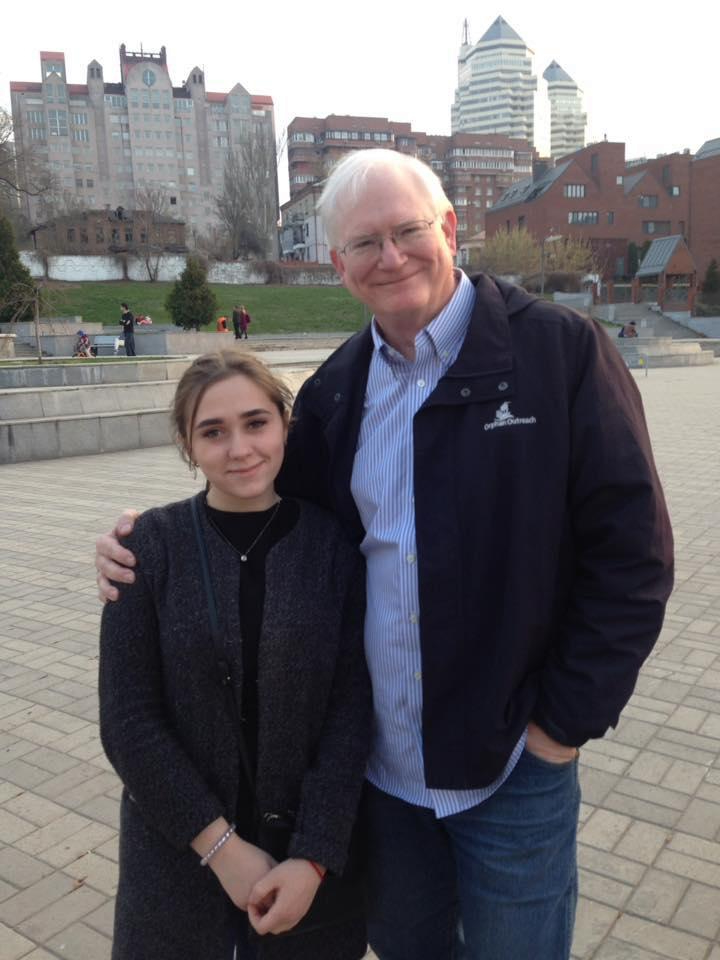
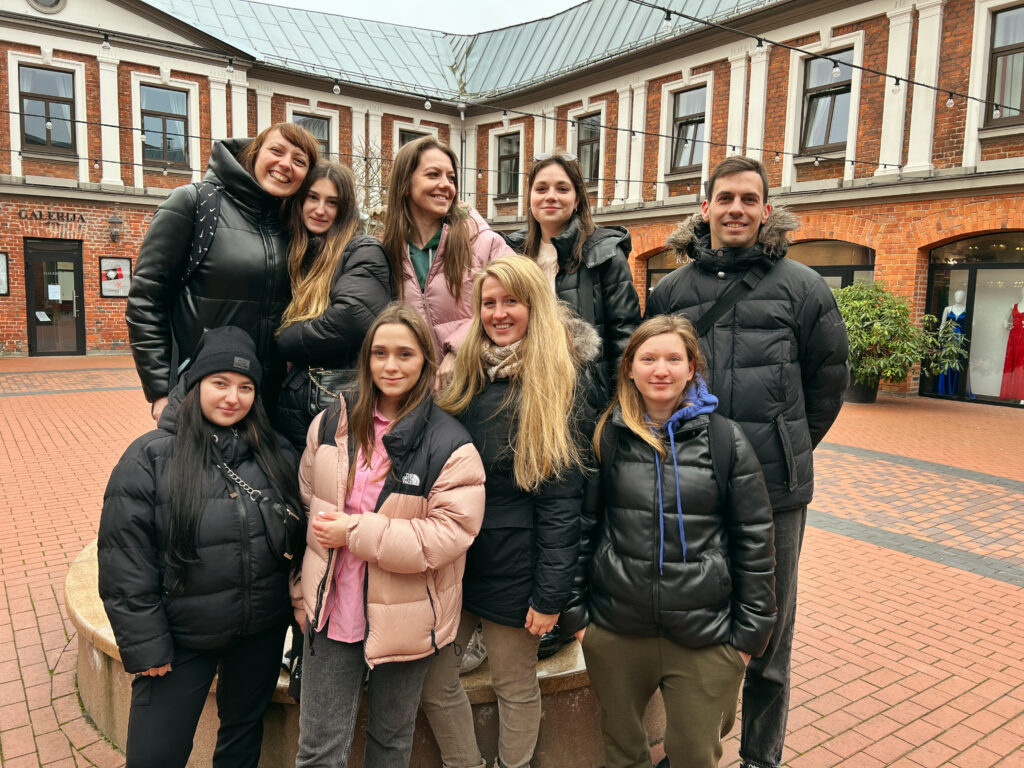
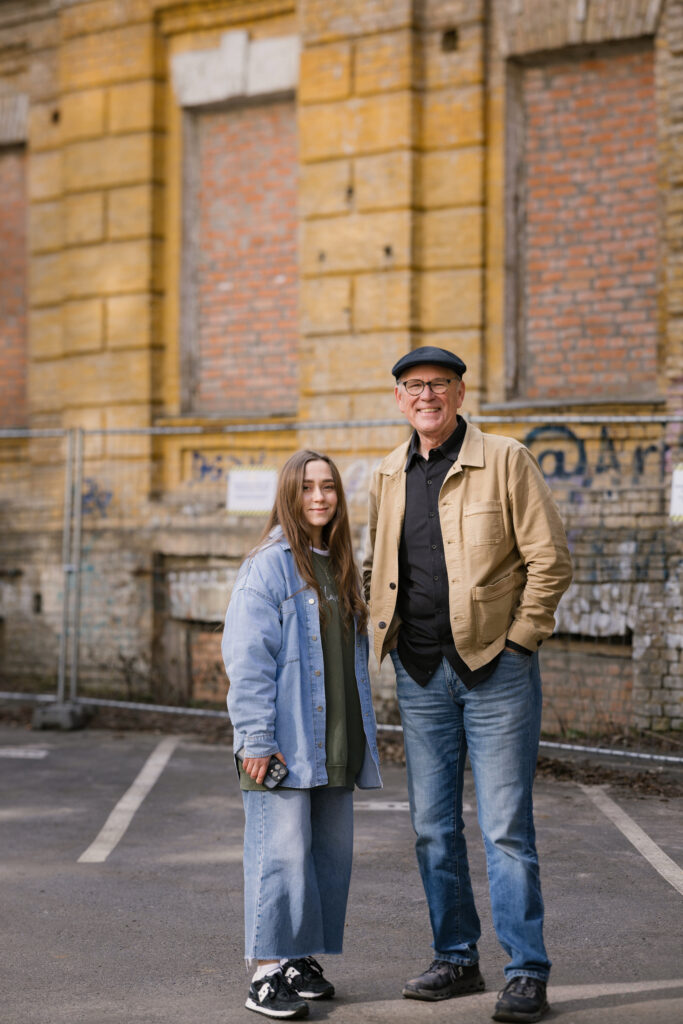
She came through Orphan Outreach’s ministry in Ukraine, not just to teach—
but to connect.
Andrew was part of that same steady ministry presence, helping create the support and consistency that would begin carrying Nastya beyond the orphanage and into life afterward.
At first—
there was resistance.
Other girls were skeptical.
Even unkind.
But Nastya noticed something.
“She had a big heart,” she said.
So Nastya made a simple gesture.
“Do you want some tea?”
And that was the beginning.
Not of a program.
But of a relationship.
And that changed everything.
Because for the first time—
Nastya had someone she could:
Cry with.
Talk to.
Be fully herself with.
“I could tell her everything.”
And more than that—
Zhenya saw something in Nastya.
Something Nastya didn’t see in herself.
Strength.
Beauty.
Possibility.
And she believed her.
That belief—
became a foundation.
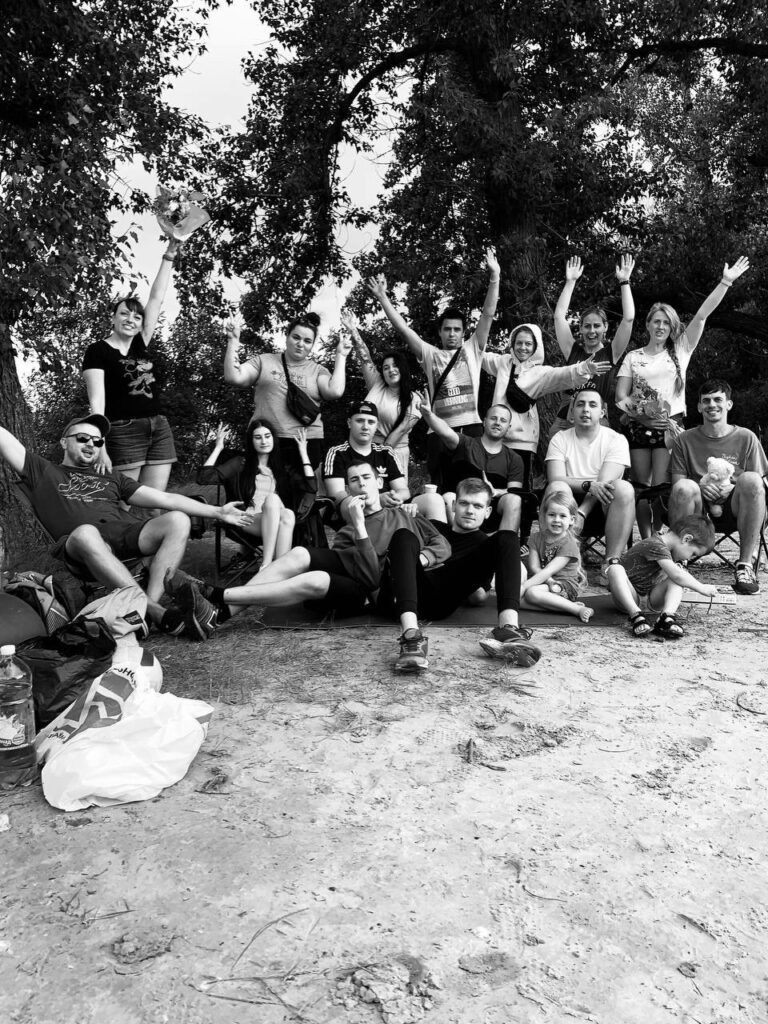
Through Orphan Outreach and through programs like Alpha Life and later Together for Children—
Nastya began to learn what life had never taught her.
How to make a phone call.
How to build relationships.
How to exist outside an institution.
Simple things.
But everything.
And slowly—
Nastya found something she had always needed.
Belonging.
Not a place.
People.
War & Becoming
When the war began—
everything shifted again.
The ministry Leaders were forced to leave the country.
Uncertainty filled every moment.
And suddenly—
Nastya had to step forward.
“I had to make decisions,” she said.
“For the first time.”
No safety net.
No one to defer to.
And in that moment—
Nastya realized:
“I grew up.”
Now she leads.
Telling stories.
Taking photos.
Organizing events.
Building relationships.
The same thing that once saved Nastya—
she now gives to others.
Young adults.
Vulnerable youth.
People standing where she once stood.
And then—
the war came closer.
Missiles.
Explosions.
Sleepless nights.
Fear.
But even then—
Nastya’s instinct didn’t change.
She didn’t think about herself.
She thought about others.
“I wanted to protect them,” she said.
Even when she couldn’t.
Love, Fear & What Remains
For most of her life—
Nastya didn’t know what it meant to fear losing someone.
She had already lost so much.
But then—
she experienced a different kind of love.
And with it—
came a new fear.
“Now I’m not afraid to die,” she said.
“I’m afraid to lose.”
Because love had changed.
It wasn’t just something Nastya gave.
It was something she felt.
Deeply.
“I would take all their worries,” she said,
“and put them into my own heart.”
So they wouldn’t have to carry them.
And suddenly—
everything made sense.
The little girl.
The teenager.
The woman she became.
The same heart.
All along.
The Moment That Completed the Story
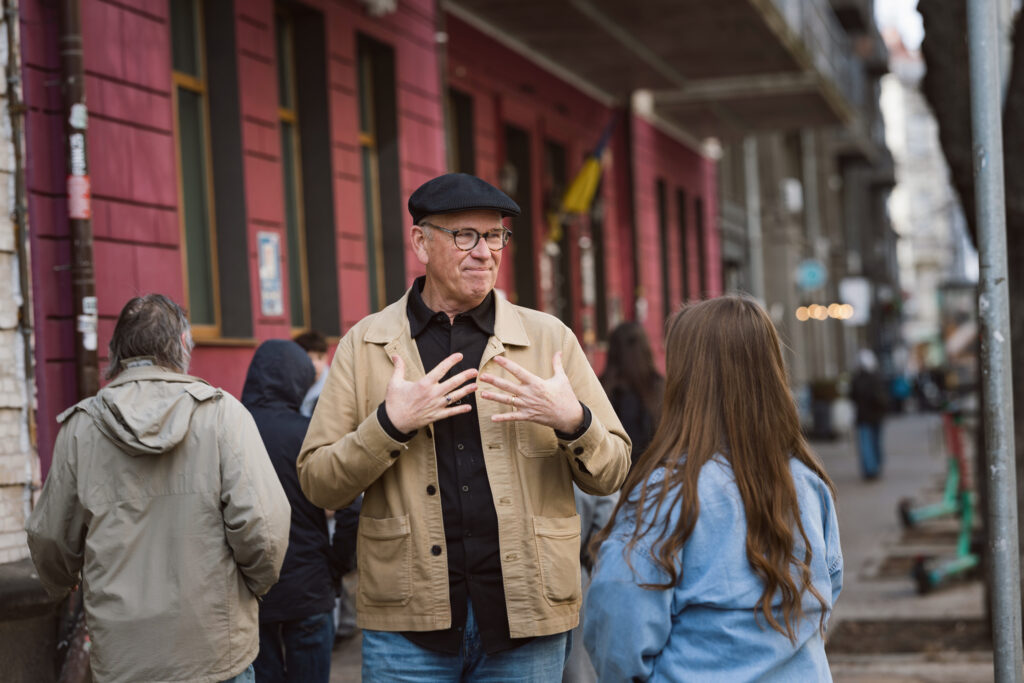
At the very end of our interview, I asked Nastya:
If you could go back…
to that little girl on Valentine’s Day—
what would you say?
She paused.
Then said something unexpected.
“I already wrote this.”
And she read it.
A letter.
To her younger self.
Holding her.
Comforting her.
Telling her:
You will not always be alone.
You will find people.
Your life will be full of love again.
It wasn’t just reflection.
It was healing.
The girl she had been…
and the woman she had become—
meeting each other.
And somehow—
that became the ending.
Closing Reflection
I think about that little girl.
Valentine’s Day.
A handful of cards.
A soft heart.
And what stays with me most…
is not what she lost.
But what remained.
Through everything—
loss, abandonment, war—
Her heart stayed.
And maybe that’s the story.
Not just what she survived.
But what she never lost.
About Orphan Outreach
Stories like Nastya’s are not accidents.
They are the result of people who choose to step in early, to build relationships, and to stay long after a child leaves the orphanage system.
Through Orphan Outreach and its Care Leavers Program, young people like Nastya receive far more than temporary help. They receive life-changing medical care, guidance through overwhelming systems, consistent mentorship, and the kind of relationships that provide stability, dignity, and hope over time.
What began as a visit to an orphanage became a lifelong connection.
And today, Nastya’s life tells a different story, one of healing, family, and faith.
A story that continues to unfold.
To learn more about the ministry and be a part of this amazing work that is changing lives in Ukraine, visit orphanoutreach.org.
About Capturing Grace
Discover the story behind Capturing Grace and how my daughter’s legacy continues to inspire my journey:
http://capturinggrace.org/about-us

Marguerite Havard
Posted at 15:59h, 02 JulySuch a beautiful story. Thank you Nastya and Ronnie.
capturing-grace
Posted at 15:04h, 03 JulyThank you Marguerite!