


03 May Lifesong Moldova: Anna | When God Became A Father
Capturing Grace on a journey to Moldova
There are some stories that do not come rushing out.
They emerge carefully, almost reluctantly, as if they have spent years learning how to survive by staying hidden.
That was Anna.
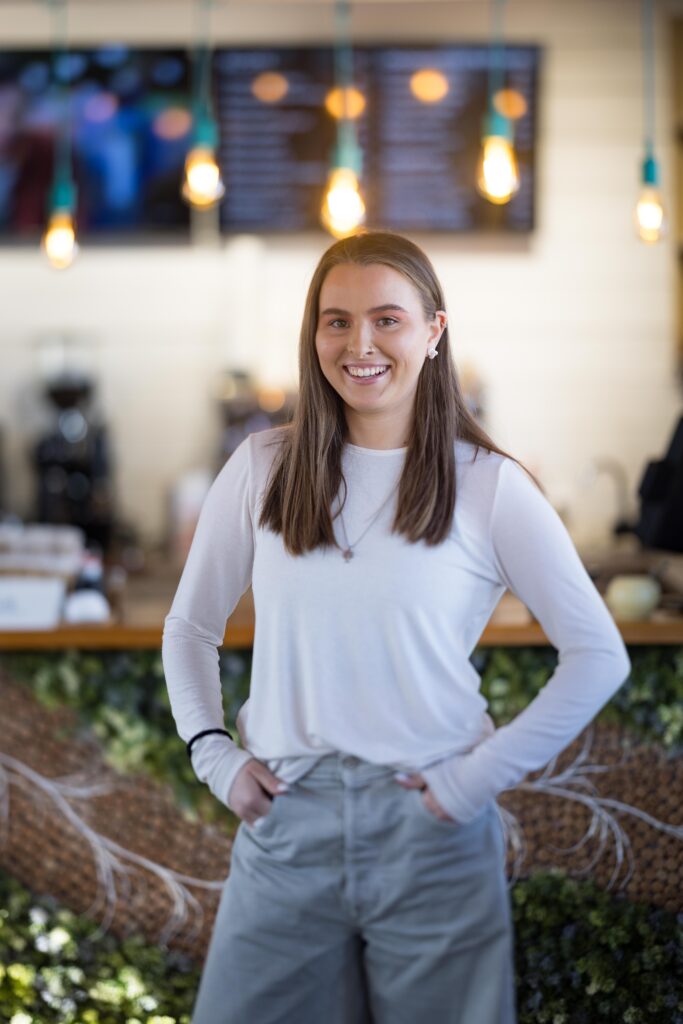
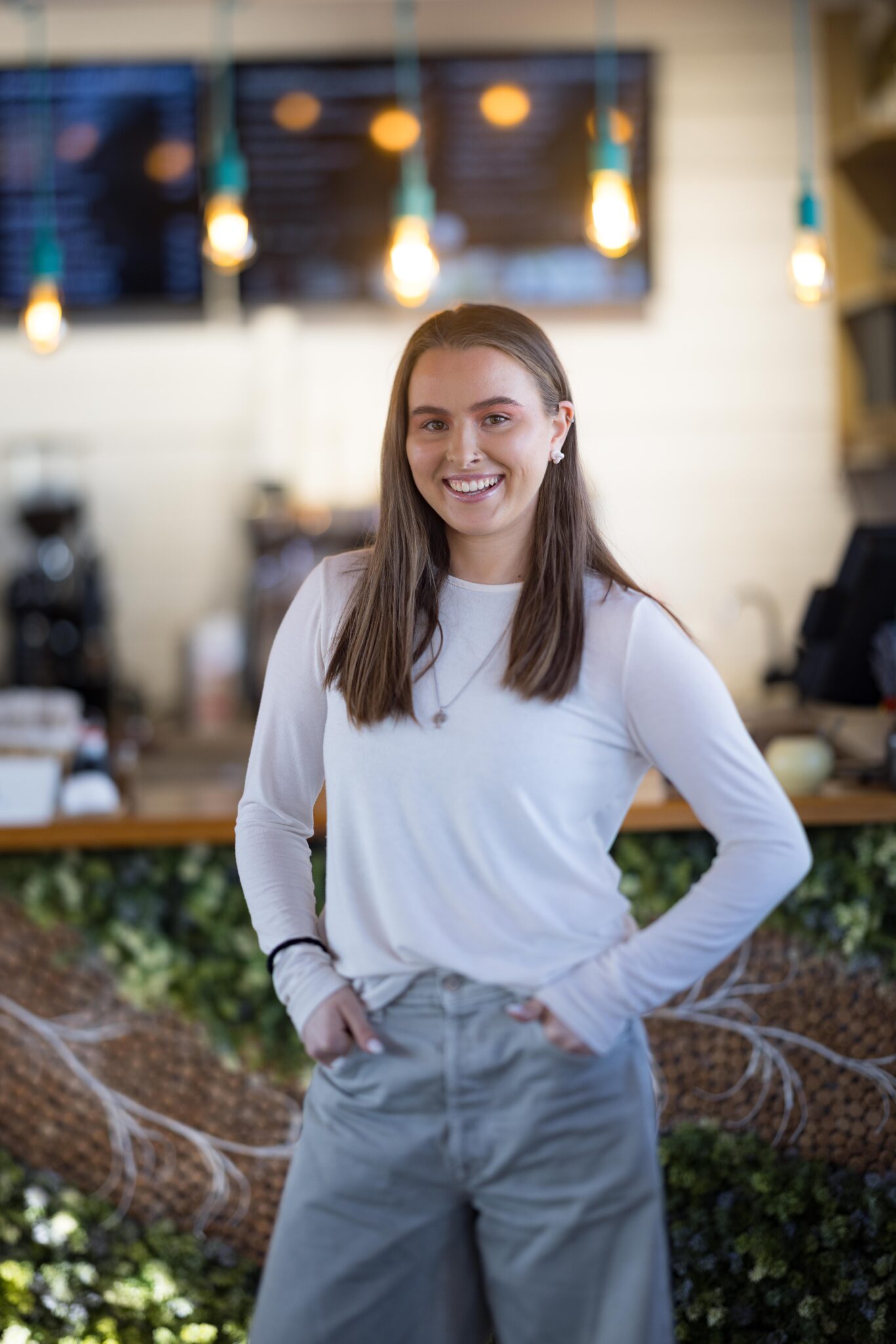
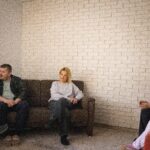
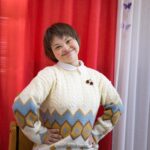
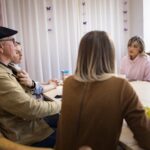
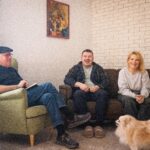
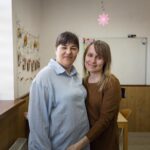
When I sat down with her in Moldova, she smiled easily, but I could tell from the beginning that this was not a story she had often been asked to tell. In fact, I learned she had never really shared it before. So we began gently, not with childhood, but with school. And even there, you could already feel how much she had carried.
She told me education had never come easily. She studied hard, sometimes through the night, because she knew the life around her was not the life she wanted to remain in. She looked at her family’s circumstances and quietly made a decision inside herself, she wanted something different. She wanted to become “a girl with education,” she said, not someone who looked like a loser.
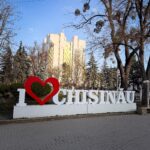
At sixteen, she came to Chișinău to apply for high school. It was already late, August, and she had lost valuable time. She made a list of more than twenty schools. There was one particularly strong school she admired, but it felt far beyond reach. Then, somehow, she got in, just barely. She was the last accepted student on the list.
At first, it probably felt uncertain. But later she came to see it as one of the clearest examples of God’s hand in her life.
The school she entered turned out to be far stronger than the one she had originally hoped for. Students at the other school struggled. Some did not pass the final exams. What felt like a closed door had actually been protection. What looked disappointing at first became one of the best things that could have happened to her.
That pattern would show up again and again in her story.
When I asked what role Alina and Lifesong Moldova played in her life, Anna did not hesitate. Without them, she believes she would have remained in the village. Instead, her world changed dramatically. She described moving into a home so different from anything she had known that, in her village, only the richest families lived that way.
But the deeper gift was not just provision.
It was belonging.
One of Anna’s sisters was already connected to the ministry, and Lifesong wanted to help keep the siblings together. So as Anna finished ninth grade, they made sure she knew there was a place for her too. In that way, the ministry did more than support her education. It helped reunite family.
As our conversation continued, I asked if she could imagine what her life might have looked like if Lifesong had never entered the picture. She did not need long to answer. She knew it would have been very different, and not in a good way.
Then, as gently as I could, I asked whether there was anything she wanted people to understand about the pain she came from. She did not offer dramatic details. She did not need to. What she said was enough.
Sometimes, she told me, she does not know which is worse, to have a child and abandon that child, or to have a child and abuse them.
That sentence just hung there.
There are some wounds that do not need embellishment.
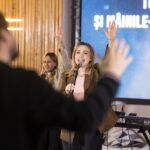
Later we talked about faith, and that is where another part of Anna came alive. She had been involved in a Christian pantomime group, traveling to villages and cities, acting out silent performances. Through those plays, she began to understand more about repentance, more about Jesus, more about what faith really meant.
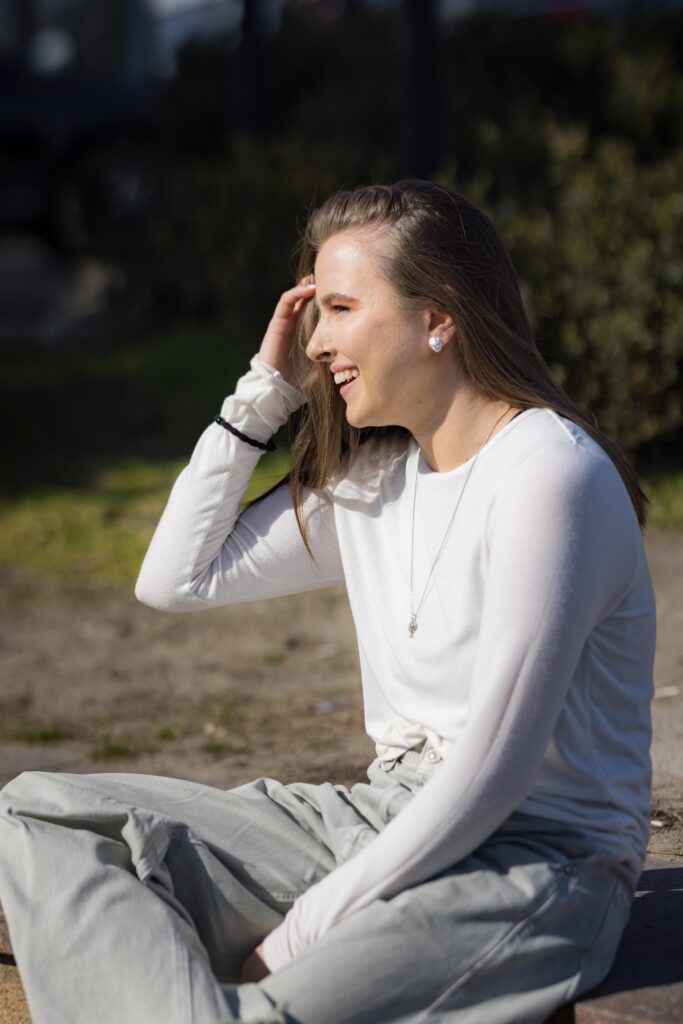
And somewhere in that journey, she began to understand God not just as God, but as Father.
That mattered.
Because when your experience of fatherhood has been marked by pain, the language of God as Father can feel distant at best, and unbearable at worst. But Anna has been learning something different. Slowly, deeply, she has come to believe that her Heavenly Father is the true Father, not like the one who wounded her. A Father who says, you are enough. A Father who does not require performance in order to give love. A Father who simply says, I love you.
That realization has brought healing, though not the kind that erases the past. She was still crying as we talked about it. Healing, for Anna, is real, but unfinished. And that feels honest to me.
Faith does not make suffering disappear. It gives us somewhere to stand while we carry it.
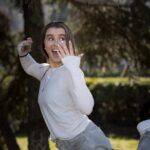
At one point I asked about acting, because I had noticed how naturally she spoke of it. Her answer was beautiful. When she is on stage, she said, it feels like she is in her own world, as if no one is in the audience. Just her.
I understood exactly what she meant.
Sometimes art becomes a place where pain can breathe without having to explain itself.
When I asked about the future, she told me she wants to marry someday. And when I asked what kind of mother she hopes to be, her answer was full of tenderness. She wants to be attentive. The kind of mother who notices. Who checks in. Who asks about school. Who keeps thinking about her child even after they leave the room. The kind of mother who senses when someone has had a hard day and responds with care, even in small things.
That answer moved me more than she probably realized.
Because people who have known neglect often become exquisitely aware of what care should look like.
And then came one of the most painful moments in our conversation.
Anna said the abuse in her life had been more verbal than physical. And she had come to understand that verbal abuse can be among the most damaging of all, because words have power. They shape how we see ourselves. They lodge deep inside. They echo for years.
After I shared some of my own story, including the way a counselor once helped me imagine God pulling me close in moments of pain and saying, “I love you,” Anna told me something I will not forget.
She said her stepfather would never call her his daughter.
Only when he wanted her to go buy cigarettes and alcohol.
That one line explained so much.
And yet, somehow, bitterness was not what stood out most in her. What stood out was wisdom. Even at her age, Anna understands something many people do not learn until much later, if ever: if you do not deal with your pain, you pass it on. She said it plainly. If you do not resolve the baggage, you will transmit it to the next generation.
That kind of clarity does not come cheaply.
It comes from surviving. From watching. From hurting. From healing. From living close enough to truth that you can no longer pretend pain will solve itself.
By the end of our time together, I found myself feeling what I often feel in these conversations, a strange mixture of sorrow and admiration. Sorrow for what should never have been part of her story. Admiration for the grace, intelligence, and quiet strength with which she carries it now.
So I told her the truth.
If I were her father, I would be very proud of her.
Very proud.
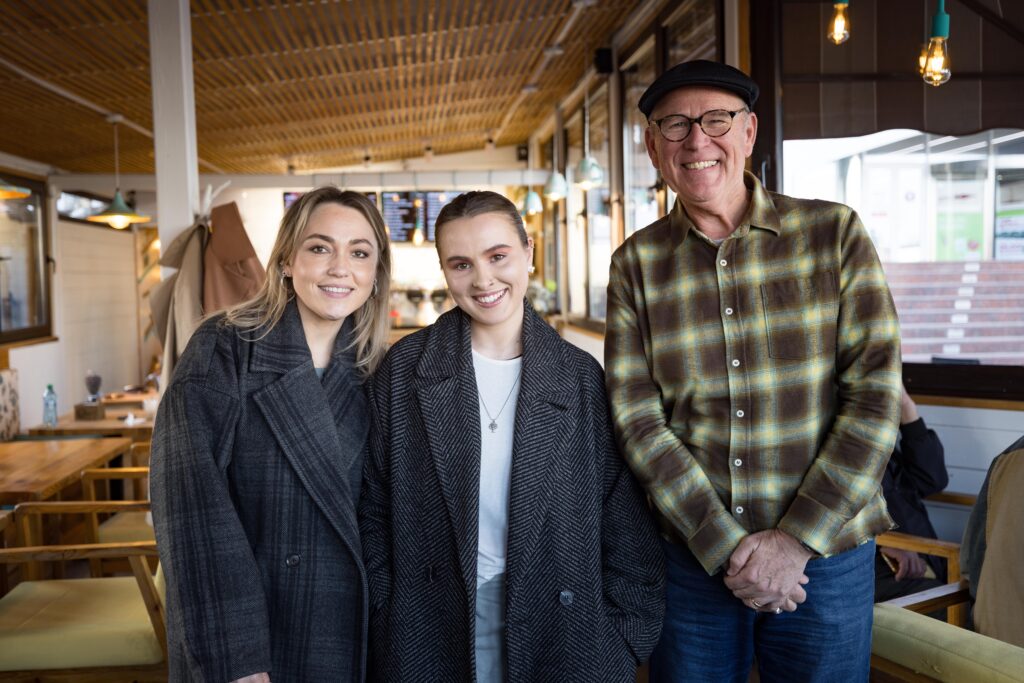
And before we finished, I asked her one last playful question. If she had a fairy godmother, what would she ask for?
She did not ask for success. Or money. Or travel. Or some sparkling dream.
She asked for protection.
And for the people she loves to stay close.
For a young woman who has known instability, rejection, and pain, that answer felt achingly pure. It was not the answer of someone reaching for extravagance. It was the answer of someone who knows the value of safety, and the sacredness of not losing love.
Anna’s story is still being written.
But already it bears witness to something beautiful, that the love of God can begin to rebuild what human brokenness tried to tear apart. That through the care of people like Alina, John, and the wider Lifesong Moldova community, a girl from a hard village life can begin to see herself differently. Not discarded. Not forgotten. Not doomed to repeat what was done to her.
But held.
Loved.
And becoming the kind of woman who will one day pass something gentler on.


About Lifesong Moldova
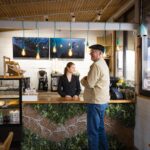
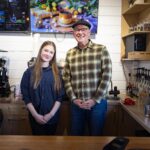
Lifesong Moldova, led by Alina Druta, serves vulnerable children, young people, and families through Christ-centered care, discipleship, and a deep commitment to family-based restoration. Through mentorship, education, practical support, and advocacy, they are helping prevent child abandonment, strengthen families in crisis, and walk alongside young people as they transition into adulthood. Their work also includes a coffee shop in Chișinău, a social enterprise that provides vocational training, meaningful employment, and a supportive community for youth from vulnerable backgrounds. In a country where poverty, family breakdown, and exploitation place many children at risk, Lifesong Moldova is helping create environments where children and young adults are known, loved, and given the opportunity to thrive.
About Capturing Grace
Discover the story behind Capturing Grace and how my daughter’s life continues to inspire this work at capturinggrace.org/about-us
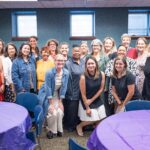
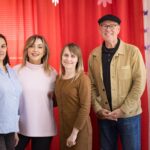
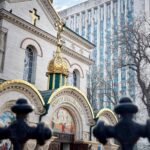
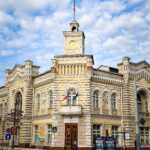
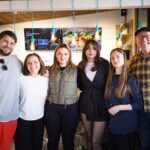
Our time in Moldova





No Comments