



04 May Lifesong Moldova: How It Started with Alina Druta | When A House Became A Promise
Capturing Grace on a journey to Moldova
The call came quietly.
Two girls were finishing their time in care. School was ending. The calendar was turning. And there was nowhere safe for them to go.
Alina Druta had heard stories like this before. She had spent years translating in Moldova’s orphanages and impoverished communities—standing between visiting teams and vulnerable children, carrying words back and forth like a bridge. She had translated hope. She had translated promises.
And she had translated silence, when nothing followed.
“I can’t unhear this,” she says simply.
That phrase—quiet, resolute—has shaped everything that came next.
Alina grew up in Chișinău in a home marked by instability. Her father struggled with alcohol, and nights could be filled with rage and threats. By the time she was seventeen, the danger had become undeniable. She did something no child should ever have to do—she urged her mother to leave the country.
“It’s better to have a mother from a distance,” she told her, “than a deceased mother.”
Her mother fled Moldova illegally, hidden in a truck, carrying only a small bag. Alina stayed behind with her younger sister. She worked from the age of fifteen. She became, in many ways, the protector—the big sister, the adult in the room.
That posture of protection never left her.
At sixteen, while her home life was unraveling, Alina was rising quickly in another world. She sang. She performed. She toured Europe with an orchestra. She appeared on national television. There was a producer, management, momentum. For that time and place, it was real success.
Then a classmate invited her to a Christian camp.
What she encountered there—peace, sincerity, a different way of living—exposed something she hadn’t known how to name. The applause faded. The lights went out. And the emptiness remained.
She quit.
Not slowly. Not strategically. Completely.
“I realized everything I had been chasing couldn’t give me what I needed,” she says. “It felt like garbage—not because music was evil, but because it couldn’t save me.”
Her faith became radical. So visible that when she returned to school, classmates didn’t recognize her. The change cost her approval. It cost her comfort. But it gave her clarity.
Alina married John when she was twenty. He carried a story much like her own—an alcoholic parent, early responsibility, the instinct to protect. Together, they understood something deeply: what it means to grow up without safety.
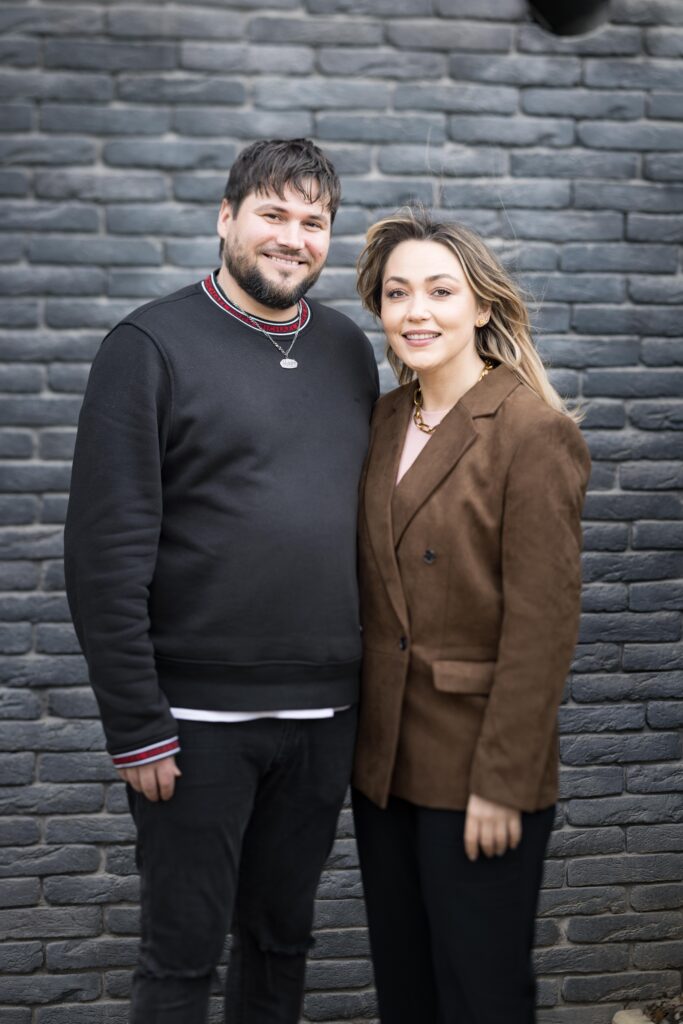
Six months into their marriage, Alina brought her younger sister to live with them. Almost immediately, her grades improved so dramatically that teachers didn’t believe it at first.
Looking back, Alina sees that season clearly now.
“That was God’s school for us,” she says. “He was teaching us what family could do.”
Years later, as Alina built a career in journalism and interpreting, another door opened. She began translating for teams visiting orphanages and impoverished communities—bringing clothes, gifts, short-term projects, and temporary help.
Those visits devastated her.
She would do her job well in the moment. Then she would cry the entire drive back to Chișinău.
The smell.
The conditions.
The vulnerability.
And the children—some of them the same age as her own son—living inside pain they did not choose.
Then there were the promises.
Teams would promise children help once they left care. Alina would translate the words, feeling their weight even as she spoke them. Later, the directors would call.
“They promised,” they would say. “What happens now?”
Too often, the answer was nothing.
One director told her plainly: many girls are trafficked after leaving residential care.
“I can’t unhear this,” Alina says again.
Then came the phone call.
Two girls. Nowhere safe. One had watched her mother die after being struck by lightning. The other was at high risk of being trafficked—like many other girls in her situation.
Around that same season, Alina and John had just moved into a house. They prayed over it.
“God,” they said, “use this home for You.”
So Alina said yes.
Just for the summer.
By August, she couldn’t imagine letting the girls go.
She made a quiet deal in her heart—one she didn’t even speak out loud. If this was truly God’s will, John had to say yes freely. No pressure. No persuasion.
When she finally asked him, he smiled.
“I knew you were going to ask,” he said. “And my answer is yes.”
That yes changed everything.
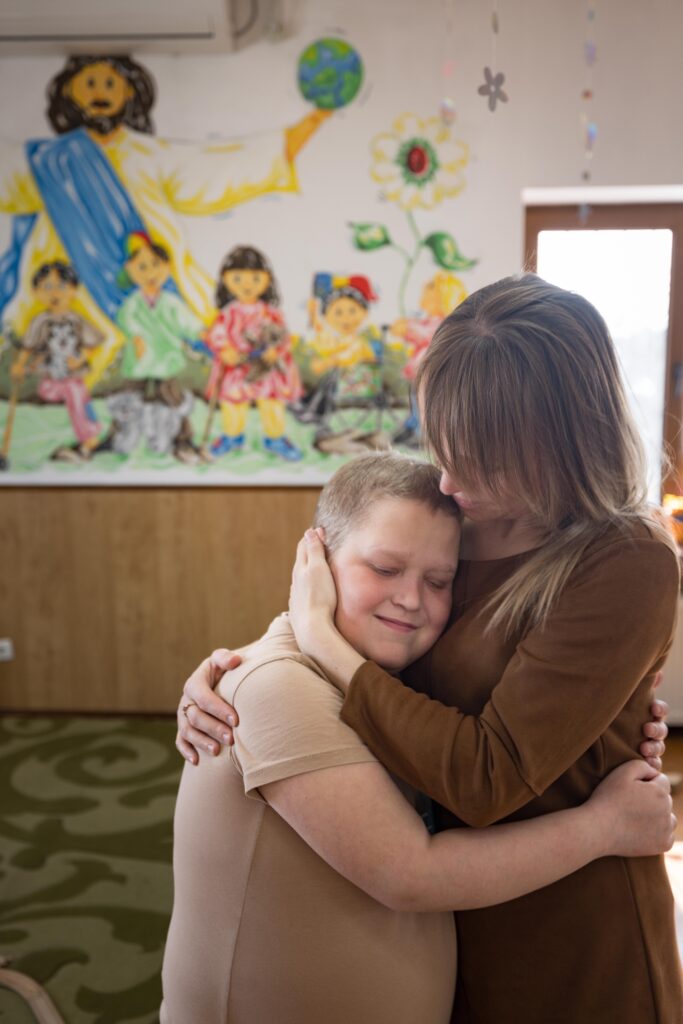
Two girls became four. Four became six. At one point, their home held ten girls plus their sons—bunk beds, crowded rooms, shared meals, and a shared conviction: we will not let another one go.


Over the years, they walked alongside more than seventy young people.
As the needs grew, Alina knew love alone wasn’t enough.
So she learned.
She pursued trauma education—not as theory, but because her home required it. She coordinated and translated trauma trainings through OpenGate International, translating for experts while absorbing tools she could apply with her own children and the young people in her care.
Her work included Trust-Based Relational Intervention (TBRI). She translated materials into Romanian so others could access the same language and tools. She became a practitioner herself, even completing training in the United States.
What began as personal necessity grew into national impact.
Through partnerships and an agreement with Moldova’s Ministry of Social Protection, Alina helped train foster parents across the country—gathering families, feeding them, teaching them how to care for children from hard places.
“It still feels surreal,” she says.
For many years, the ministry operated under an organizational umbrella that helped provide structure and donor support. In 2024, that support ended suddenly due to serious health issues of the organization’s leader.
It was a pivotal moment.
“I was asking God,” Alina says, “do You still want us to do this? Or is this the end?”
The tension was sharp: her knowledge and capacity were increasing, while resources were disappearing.
“You’re giving me more understanding,” she prayed, “but no resources to do it. It doesn’t make sense.”
So she prayed a very specific prayer:
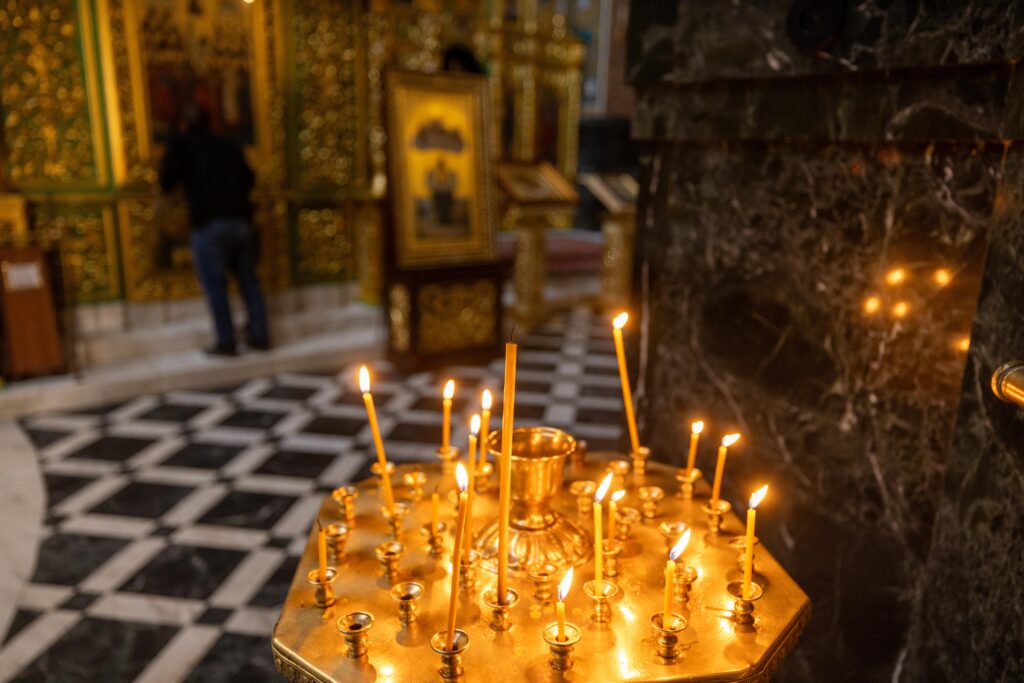
“If You still want us to do this, You will have to provide.”
She asked a few trusted friends to pray with her.
Then Lifesong stepped in.
“They heard our story,” she says, “and they didn’t just see our heart—they saw how we do ministry.”
What mattered to Lifesong aligned with what Alina and John had fought to protect:
trauma-informed care
restoring dignity
education and job skills
treating young people with respect
living the Gospel visibly, not performatively
refusing to commercialize stories
“It wasn’t just provision,” Alina says. “It was confirmation.”
When Lifesong asked them to continue and expand the work as Lifesong Moldova, Alina understood it as an answer to prayer.
“God wasn’t just saying, ‘Continue,’” she says. “He was saying, ‘Now we’re going to do this on a new level.’”


Since that partnership began, the work has expanded tangibly.
Care continues in their home.
A house for boys has opened, with mentors living alongside them.
An apartment for girls provides safe transition into adulthood.
And the work keeps multiplying outward.
One of the first boys they welcomed came into their care at seventeen—after spending his entire life in an orphanage. His healing was slow, marked by years of push and pull, trust and withdrawal.
Then one day, something shifted.
He stopped walking through the city as an orphan.
Today, he is a mentor—guiding others through relationship, offering the very thing he once needed.
“I love you,” he once texted Alina. “I just didn’t have the courage to say it out loud.”
For her, that was victory.
When the work feels overwhelming—and it often does—she returns to one truth.
“These are not my children,” she says. “This is not my ministry.”
God loves them more than she ever could.
Her role is not to save, but to plant seeds—to represent the Father’s heart with faithfulness, humility, and presence.
Healing belongs to God.
When Alina looks ahead five years, she sees something more.
A place.
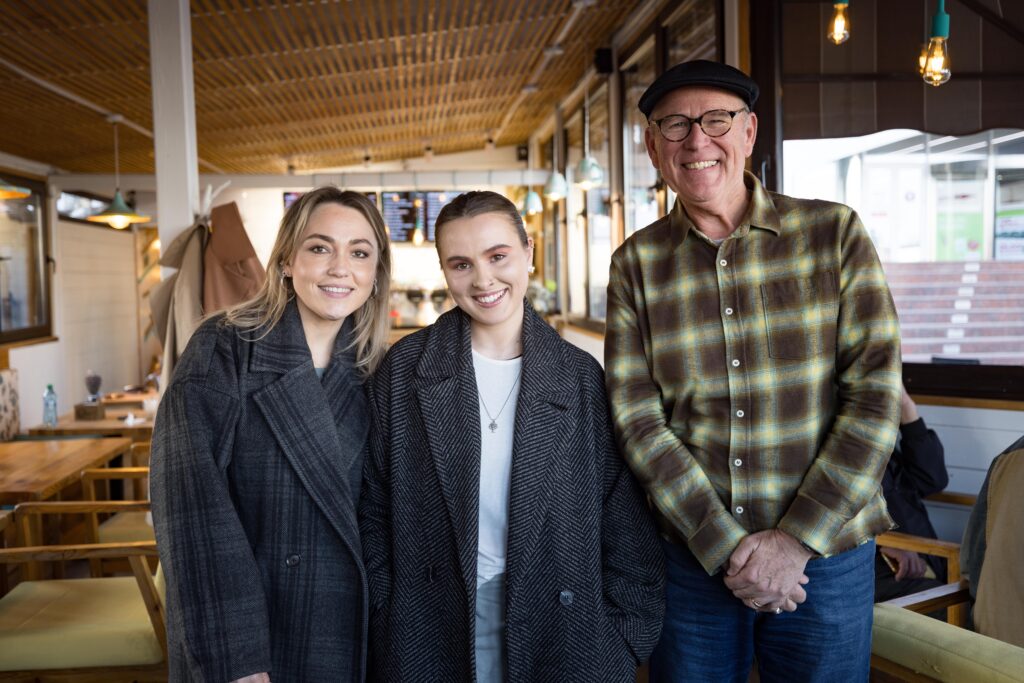
A place where young people come and go freely.
Where families are trained.
Where children and parents heal together.
Where dignity is restored not in theory, but in daily life.
A place where different strengths are honored equally.
Where every person has value.
A place that reflects what she learned long ago:
Family changes people.
And once you truly hear that call—
once it settles in your bones—
you can’t unhear it.
About Lifesong Moldova
Lifesong Moldova, led by Alina Druta, serves vulnerable children, young people, and families through Christ-centered care, discipleship, and a deep commitment to family-based restoration. Through mentorship, education, practical support, and advocacy, they are helping prevent child abandonment, strengthen families in crisis, and walk alongside young people as they transition into adulthood. Their work also includes a coffee shop in Chișinău, a social enterprise that provides vocational training, meaningful employment, and a supportive community for youth from vulnerable backgrounds. In a country where poverty, family breakdown, and exploitation place many children at risk, Lifesong Moldova is helping create environments where children and young adults are known, loved, and given the opportunity to thrive.
About Capturing Grace
Discover the story behind Capturing Grace and how my daughter’s life continues to inspire this work at capturinggrace.org/about-us
Our time in Moldova







No Comments