



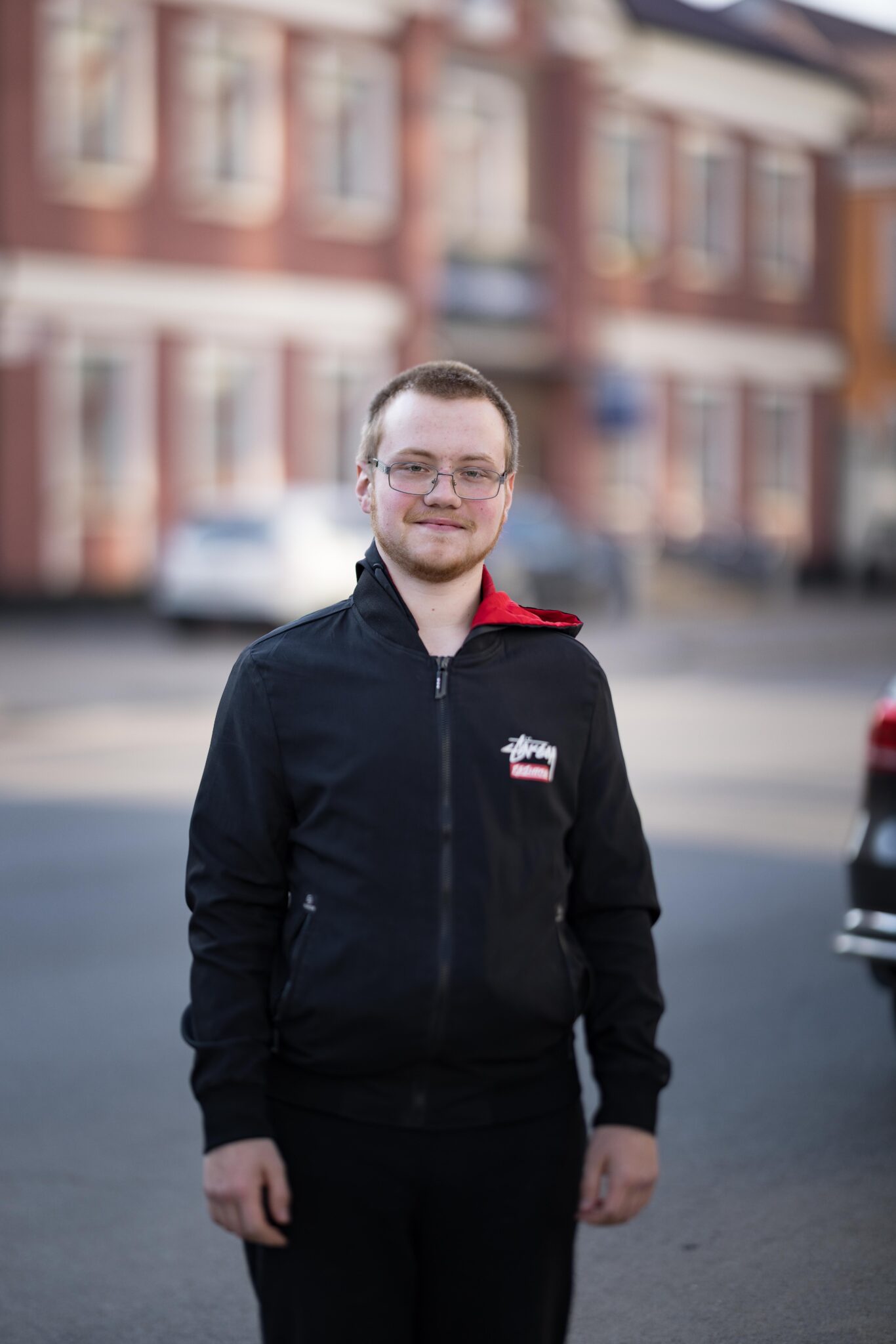
16 Apr Danyil: The Road Away From Kherson
Some young men carry themselves with a quiet steadiness that feels older than their years. Danyil is one of them.
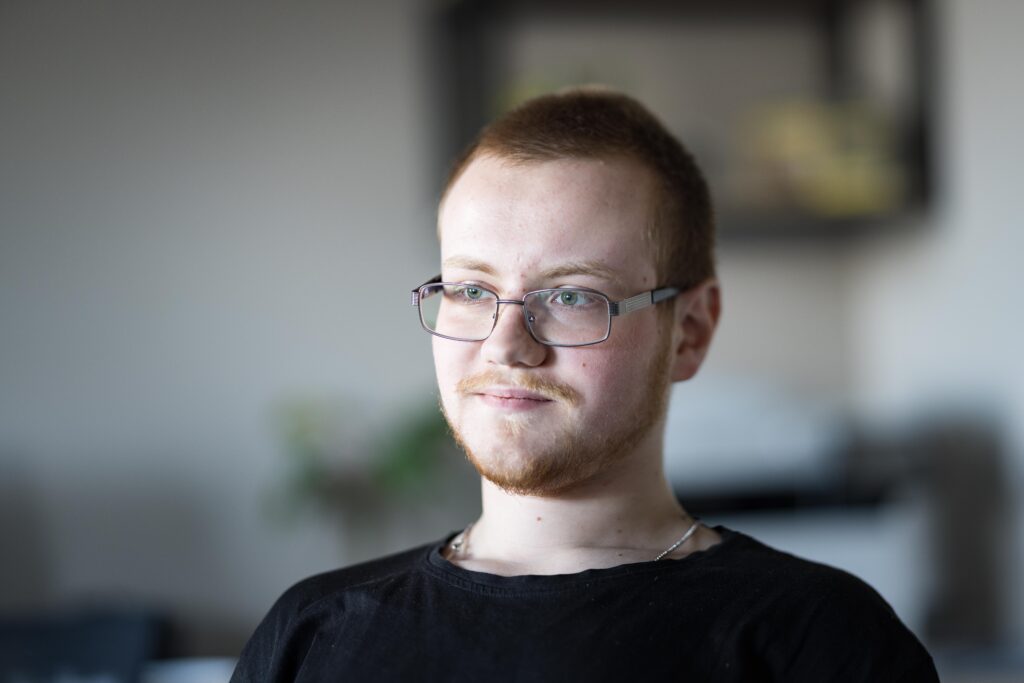
He is only eighteen, but already his life has been marked by loss, displacement, and survival.
Danyil was born in Kherson. When he was three years old, his mother died. He was too young to fully understand what had happened, and for years those caring for him tried to shield him from the truth. He passed from one caretaker to another, first to people who knew his mother, then to his grandmother, and later to his aunt after his grandmother died.
His father was mostly absent.
As a boy, Danyil grew up with the ache of knowing that other children had something he did not. He remembered feeling different. Some children reminded him of that difference by making fun of him or keeping their distance. It hurt, especially when he was younger.
But his story is not only about who was missing.
It is also about who stayed.
When Danyil talks about his aunt and uncle, there is gratitude in his voice. He described them as patient, kind, and understanding. He admitted that as a child he sometimes acted out because he wanted attention. He was closed off. He did not like going outside much. He joked that he was overweight because he loved food. But beneath the humor is something deeply important, they kept caring for him anyway.
They helped him change his eating habits. They pushed him to get outside, move more, and engage with people. They accepted him as he was, while also helping him grow into who he could become. In his words, they helped make him into a good man.
Before war came, life held ordinary joys.
Danyil remembered fishing with friends, walking through town, and enjoying the freedom of a childhood where home felt familiar and safe. He lived not only in Kherson, but also in Oleshky, where he said everyone knew everyone. It was the kind of life where you could roam freely as long as you were home by ten at night.
Then came the morning the war began.
He and his brother woke up for school and heard something flying overhead. Their aunt ran in and told them war had started. At first it seemed impossible to believe.
Then came six months under Russian occupation.
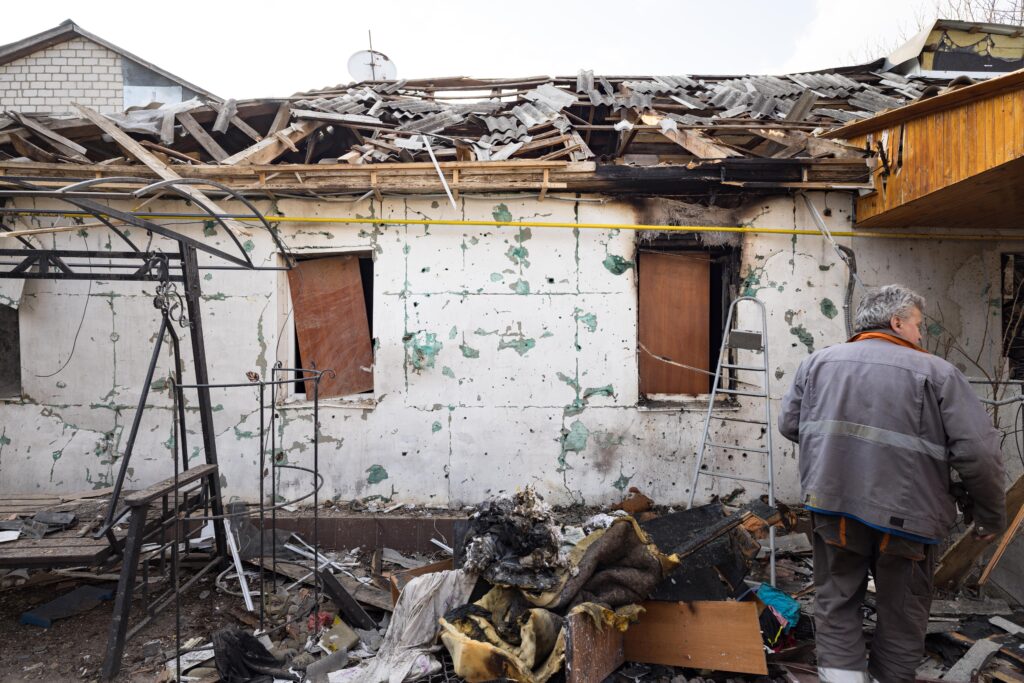
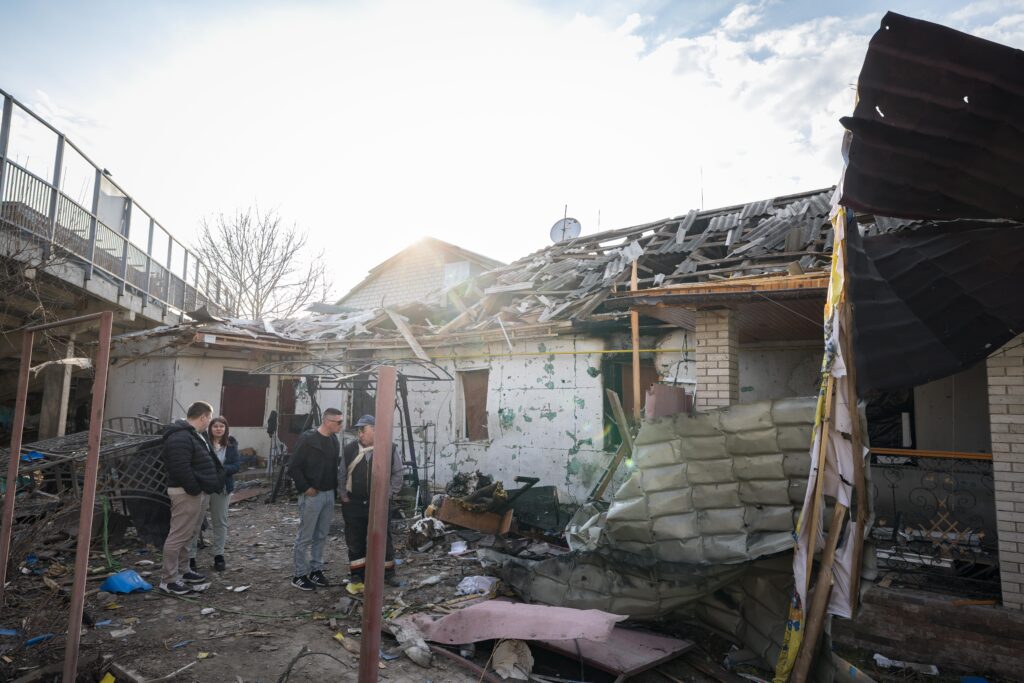
Danyil remembers fear, shelling, hunger, rising prices, and the humiliation of being treated as less than human. He remembers that children and teenagers could not safely go out. He remembers how old people were the ones sent to buy food because it was too dangerous for the young. He remembers the dread of checkpoints, and the constant awareness that home was no longer a safe place.
Still, leaving was not easy.
Home was full of memories. It was where half their life had been lived. But eventually the adults in his life understood something no parent or guardian should ever have to face, the children were no longer safe.
So they packed lightly, documents, money, essentials, and left.

They made it through the checkpoints. They made it through the fear. They made it to safety. Danyil still remembers seeing young Ukrainian soldiers at a checkpoint, boys only eighteen or nineteen years old, already carrying responsibilities far beyond their age. That image stayed with him.
From Kherson region, the family fled to Poland. Later they returned to Ukraine, spent time in Odesa, and eventually settled in Zhytomyr.
Even now, Danyil says Kherson cannot be replaced.
Today he is studying road construction at college, which feels like its own quiet metaphor. A young man whose life has been broken apart by loss and war is now learning how to build roads.
He also loves sports, especially the gym, tennis, and basketball. There is strength in him now, but not only the kind you build with weights.
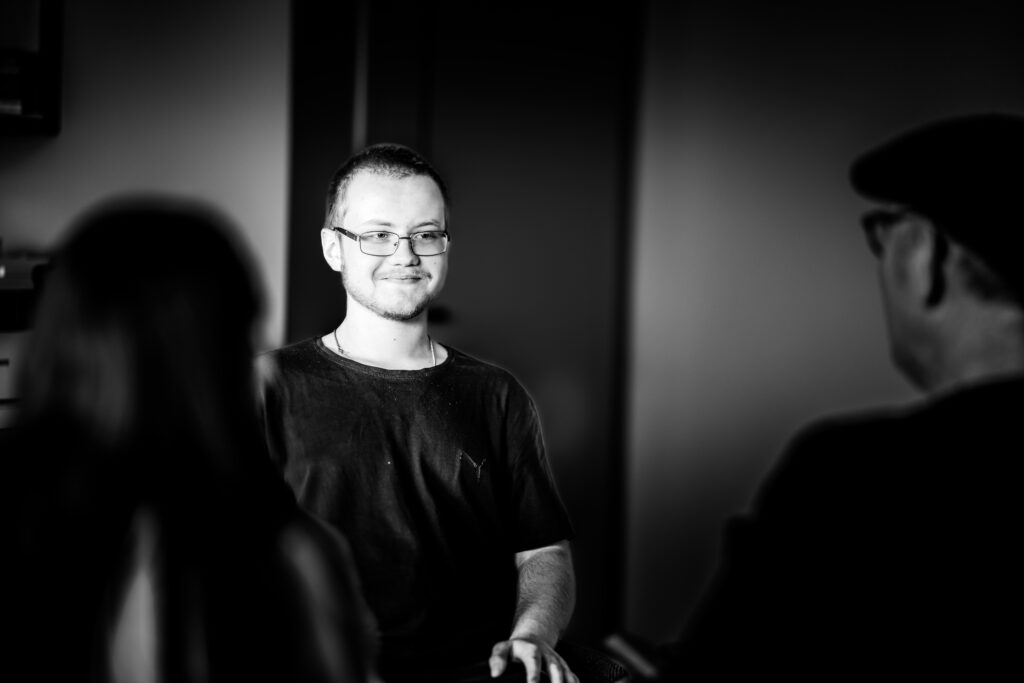
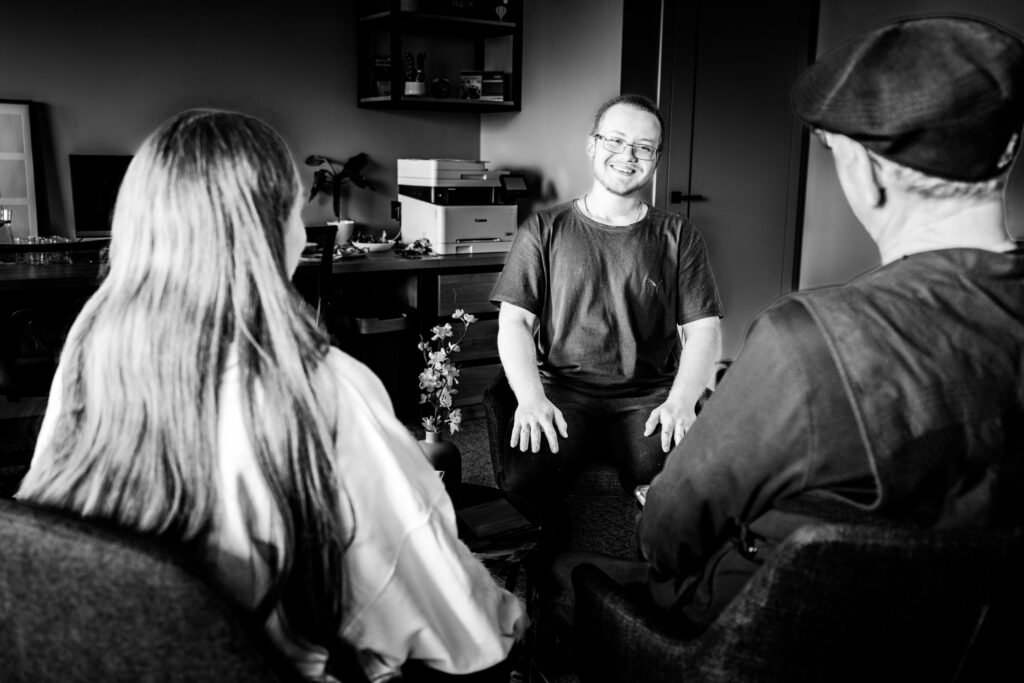
Through a teacher at college, Danyil found his way to Last Bell’s Day Center. There he found something he deeply needed, new friends, a positive environment, and a place where he did not have to remain closed off. He told me that before, he had been much more withdrawn. Now he is more social, more active, and more open to people.
When I asked him what Last Bell has meant to him, he spoke about friendship, shared values, and being surrounded by people with similar hearts.
At the end of our conversation, I asked him to describe Last Bell in one word.
He answered simply, “Friendship.”
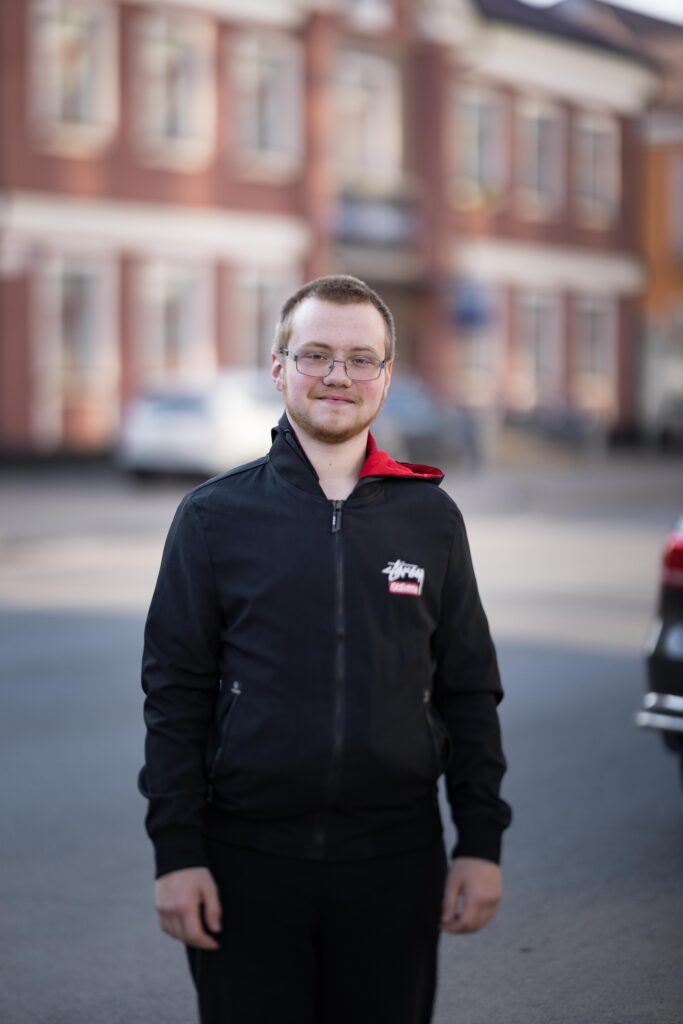
For someone who has known so much disruption, that word carries a lot of weight.
Sometimes healing does not begin in dramatic ways. Sometimes it begins with a safe place, steady people, and the slow rebuilding of trust.
Danyil’s story is one of loss, war, and displacement. But it is also a story of care, resilience, and becoming. And in that sense, the road ahead of him feels just as important as the road behind him.
About Last Bell Ministries
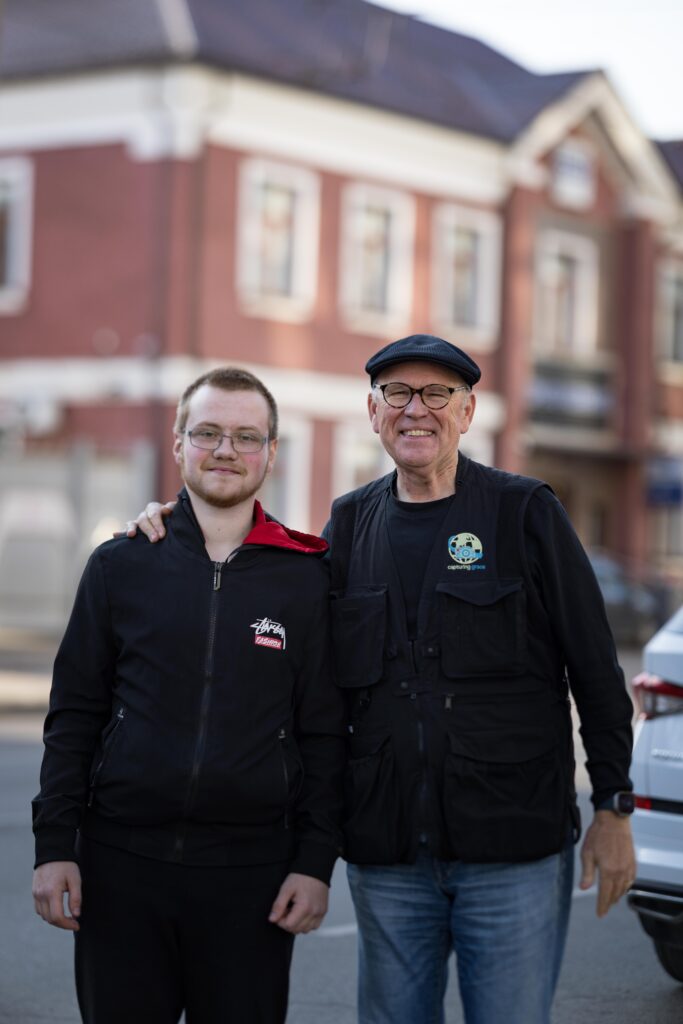
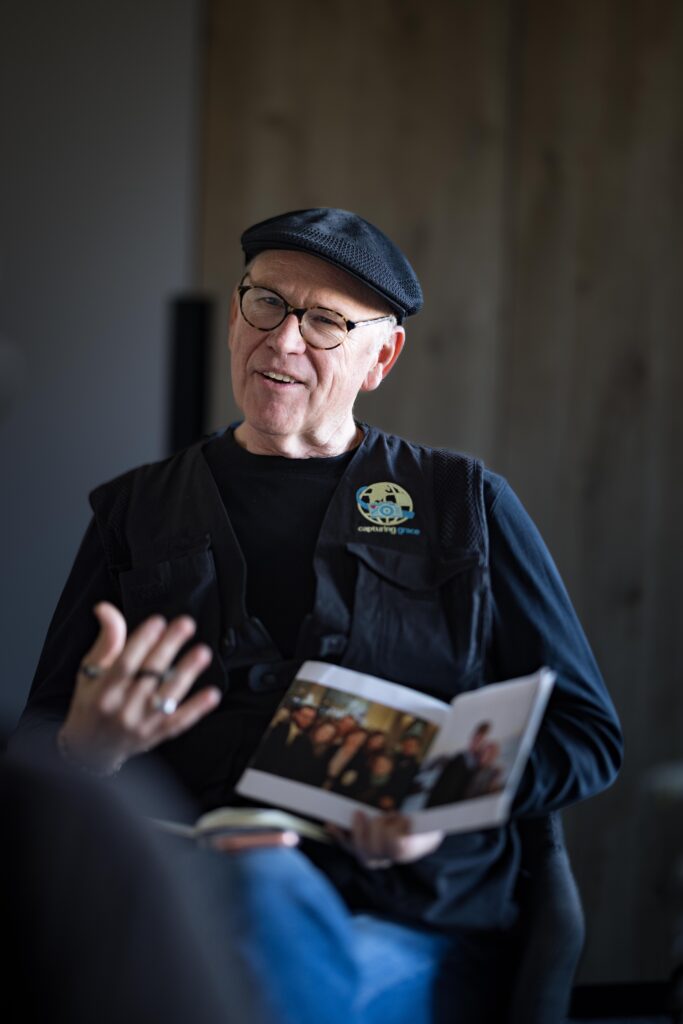
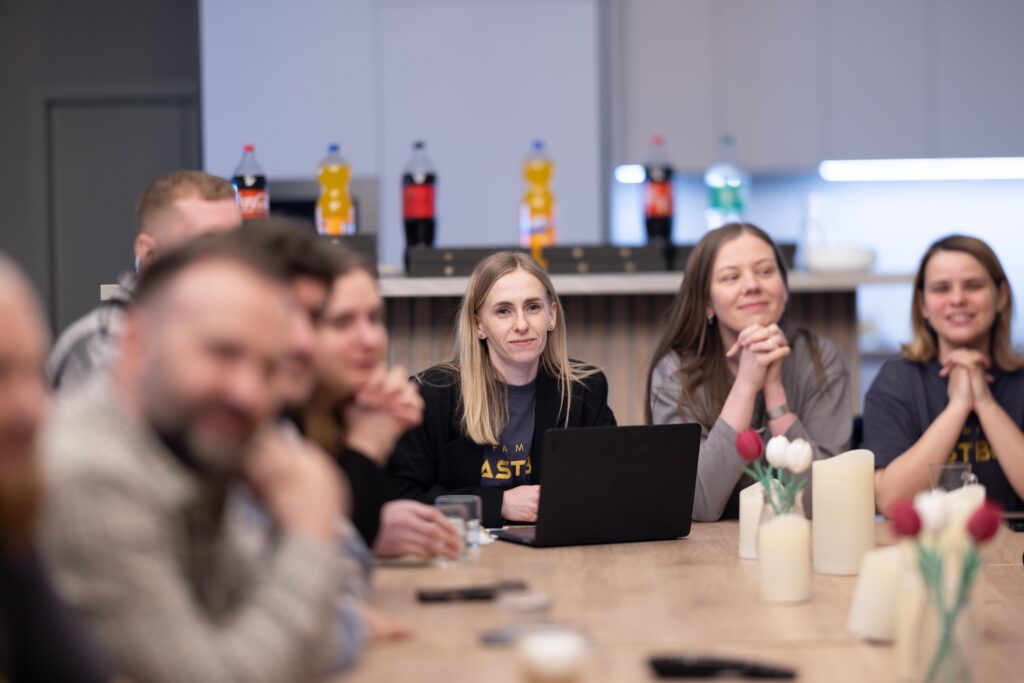
During my time in Zhytomyr, I didn’t just observe the work of Last Bell, I experienced it, in the laughter of young people gathered together, in quiet conversations filled with honesty, and in the steady presence of a community that feels like family.
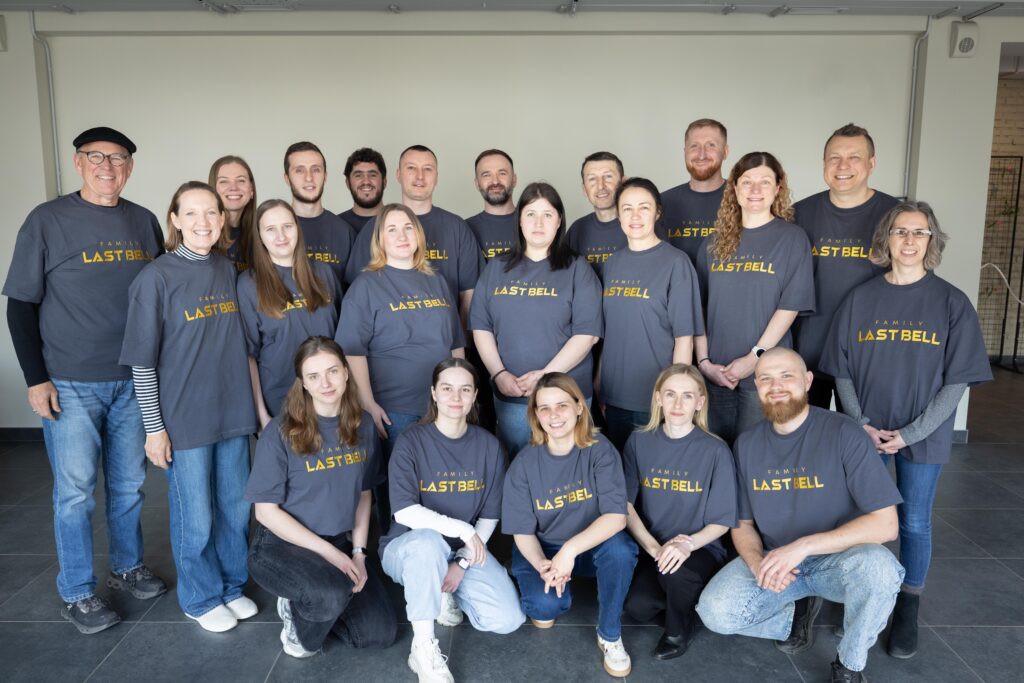
During so many of the one to two hour interviews I conducted, I often asked a simple question, “If you could describe Last Bell in one word, what would it be?” After careful reflection, the most common answer was the same, family.
In Ukraine, the “Last Bell” marks a student’s transition into adult life. For orphanage graduates, it can be a moment of deep uncertainty. Last Bell Ministries meets them there, providing housing, mentorship, and community, helping turn a vulnerable ending into a hopeful new beginning.
I’ve seen firsthand how this kind of support changes lives, walking with young men and women through some of their hardest moments and helping them move from survival toward stability, healing, and belonging.
If you’d like to learn more about Last Bell or be part of this work, visit lastbell.org.







About Capturing Grace
Discover the story behind Capturing Grace and how my daughter Christina’s life continues to inspire this work at capturinggrace.org/about-us.

No Comments