



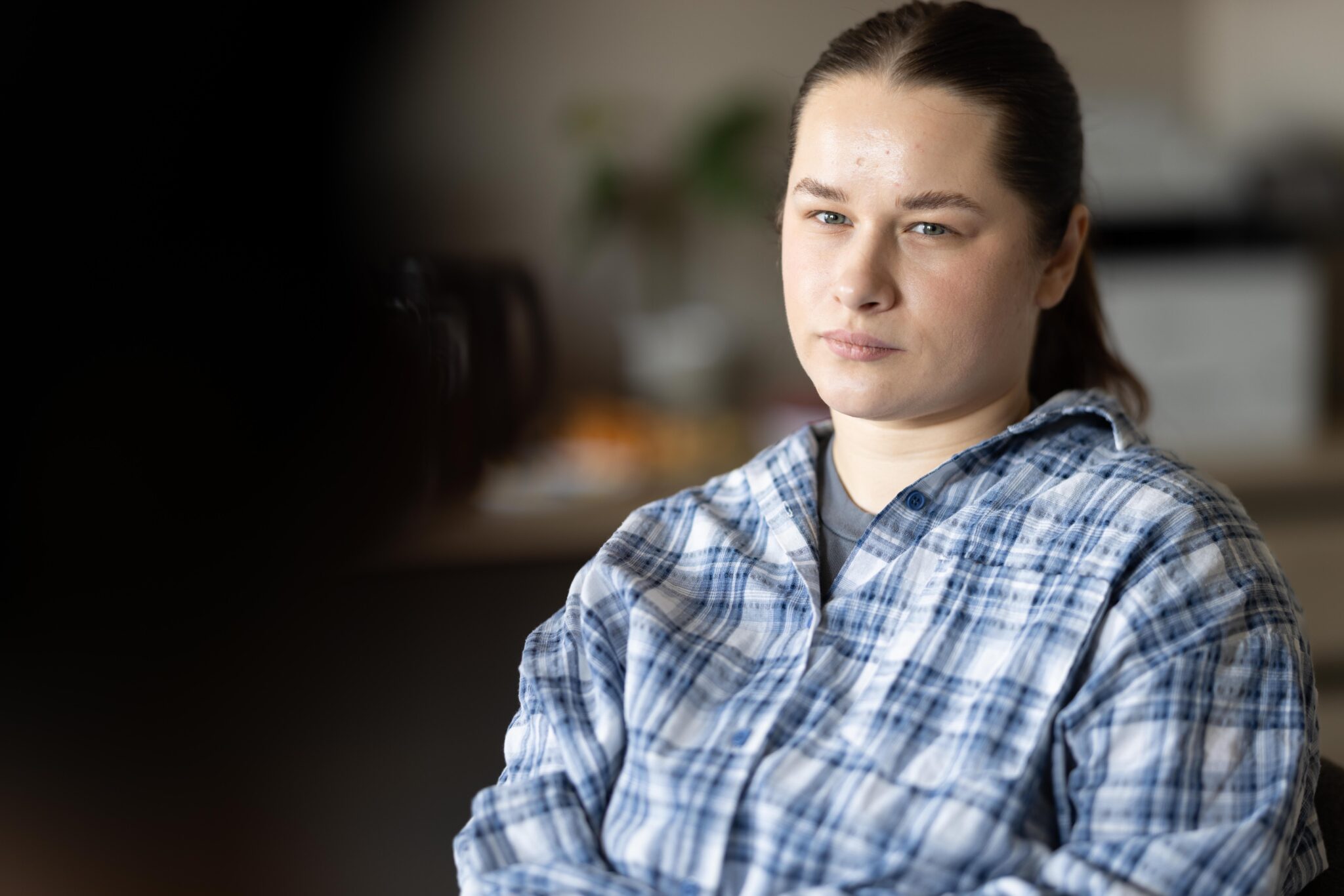
16 Apr Dasha: A Place to Belong
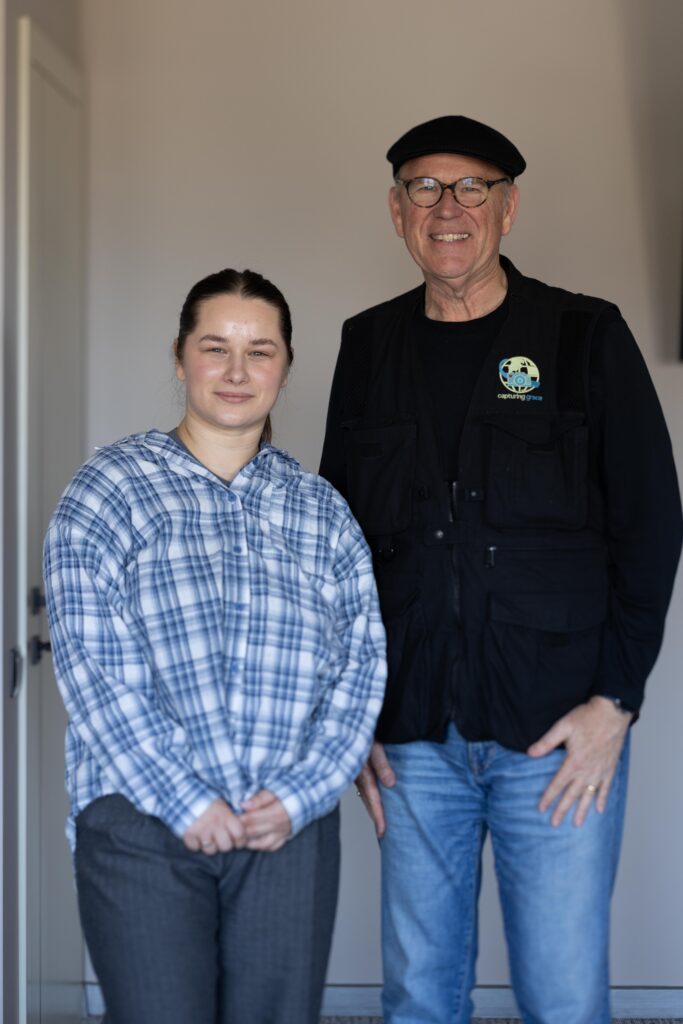
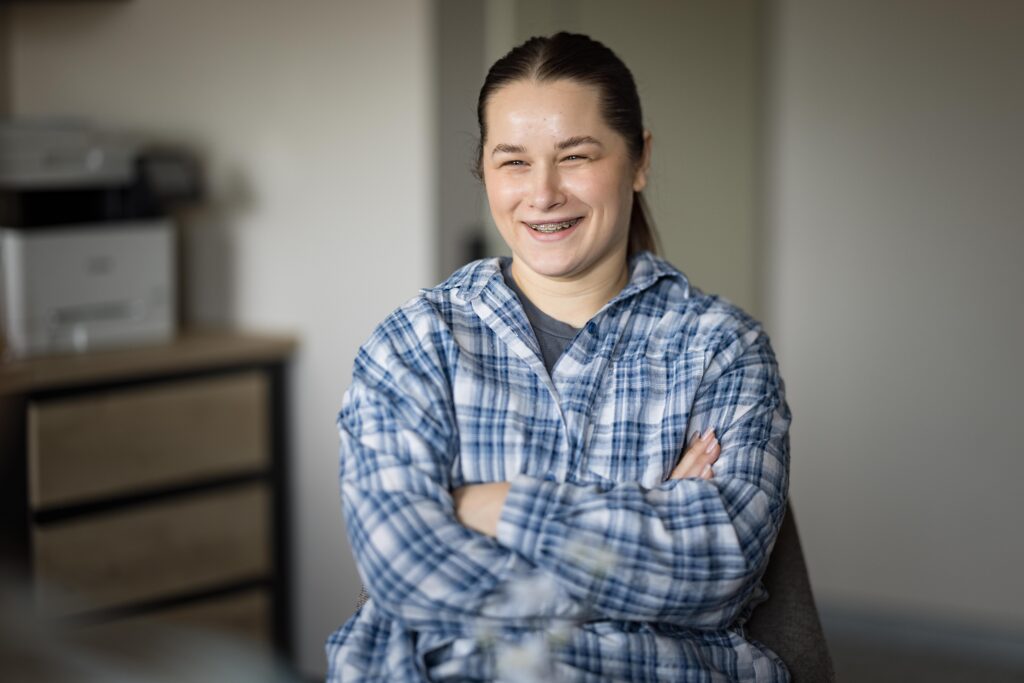
Dasha Rybinskaya was only ten years old when social services came and took her and her siblings away.
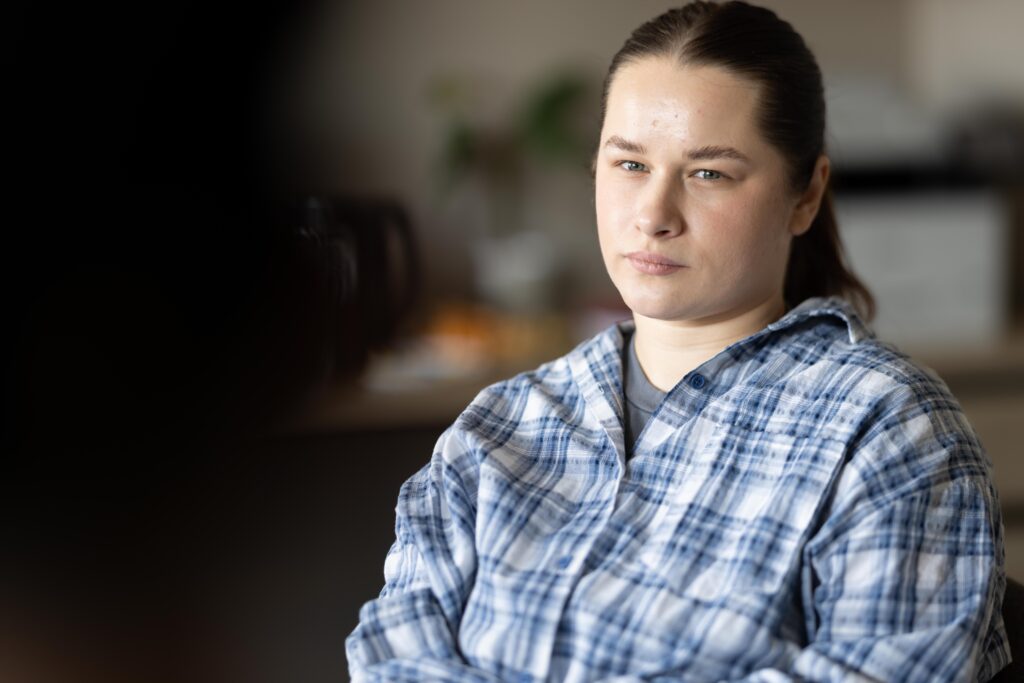
No one explained it plainly. They were simply told they were being taken somewhere else, somewhere like a hospital. In reality, they were being placed in an orphanage in Berdychiv.
Her family’s story was complicated. There had not been abuse toward the children, she said. In fact, many of her memories from home are surprisingly tender. She remembers time with her brothers and sisters. She remembers that when her mother was home and her father was sober, life could feel good. But four children were too much for a fragile family already straining under poverty, alcohol, and abandonment. Her mother left. Her father could not hold everything together. And so the children were taken.
At first, the orphanage felt like a wound.
For the first half year, Dasha hardly spoke to anyone but her relatives. She sat alone in class. She had no friends. The loss was sharp, even if she learned quickly not to show it.
Then, over time, she adapted, as children often do when they have no other choice.
Years later, while still in the orphanage, she first encountered Last Bell. Staff members came with life-skills lessons, talking with students about life, relationships, and practical topics. Her very first encounter was memorable for an unexpected reason: they showed a video about abortion, and Dasha found it so strange and uncomfortable that she decided not to come back for a while.
But that was not the end of the story.
After graduating and beginning college, she found her way back. This time it was different. She was older, less shy, more open. What had once felt awkward slowly became friendship. Last Bell became a place to spend time, to be seen, to talk honestly, to grow. It gave her space not only for practical development, but also for something more tender and harder to define: belonging.
That mattered because belonging had been difficult to find.
When Dasha left the orphanage and entered vocational training, she discovered that the label of “orphanage girl” followed her. People knew where she had come from, and for a long time no one wanted much to do with her. She felt different. Isolated. She says that was the hardest part of starting life on her own, not the work, not the logistics, but the human distance.
Last Bell became the place where that distance was shortened.
It was a place where she could walk in and know she was welcome. A place where she could talk, eat, laugh, and rest. A place where someone would notice if she came and miss her if she did not.
For Dasha, one of the most important people in that story was Lena, a former leader who became not just a mentor, but one of her greatest supports. Lena helped her find a job. She helped her keep going when Dasha wanted to quit. She helped secure the expensive brushes and tools that hairdressing requires. And in a very real sense, she helped turn Dasha’s gift into a future.
Because hairdressing was never just a job.
Long before it became her work, it was already part of who she was. At eleven or twelve years old, she was braiding hair. As a little girl, she had dreamed of becoming a surgeon, someone who would work skillfully with her hands to change people’s lives. The orphanage made that dream impossible. But in a different way, that instinct remained. Instead of surgery, she learned to cut hair. Instead of an operating room, she found a salon. Instead of healing bodies, she began helping people feel seen, confident, and cared for.
She laughed when asked what she loved most about the work and answered with disarming honesty: “Of course, the money.”
But the smile on her face told the fuller truth.
She loves the people too.
For six years now, she has watched clients come and go through seasons of life.
She knows who had children, who changed jobs, who found love, who faced loss. In a chair and with scissors in hand, she has become part stylist, part witness to the ordinary unfolding of human stories.
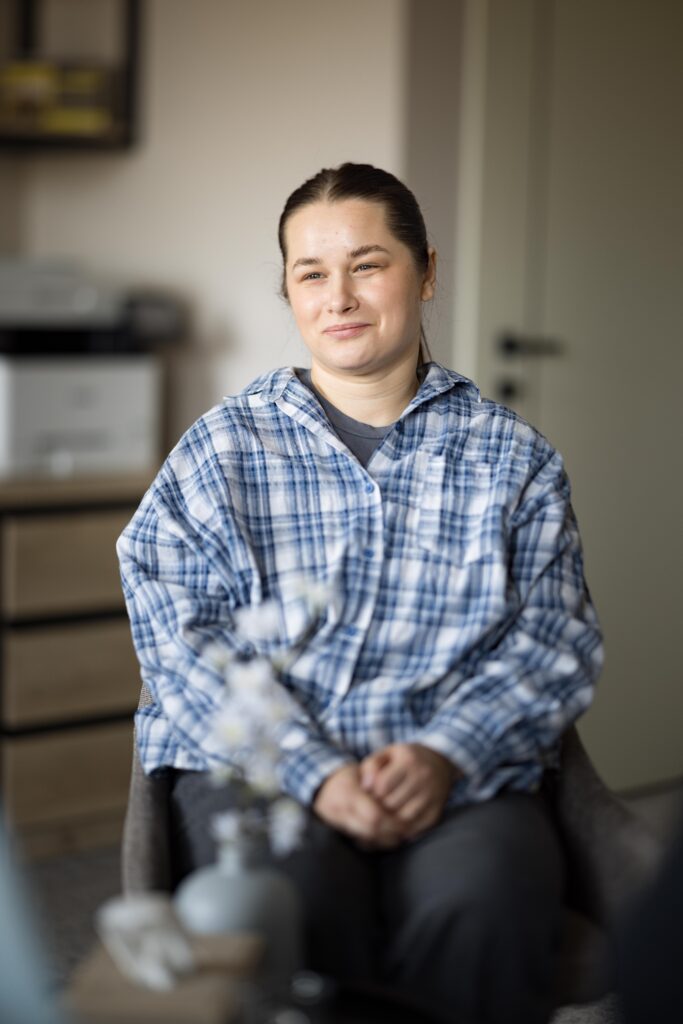
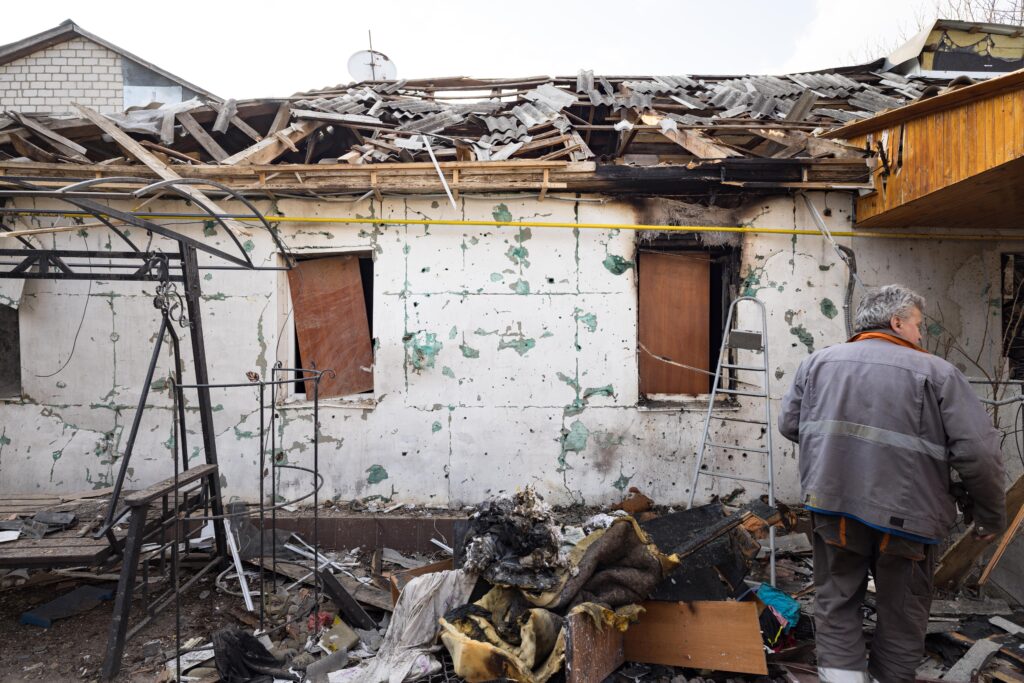
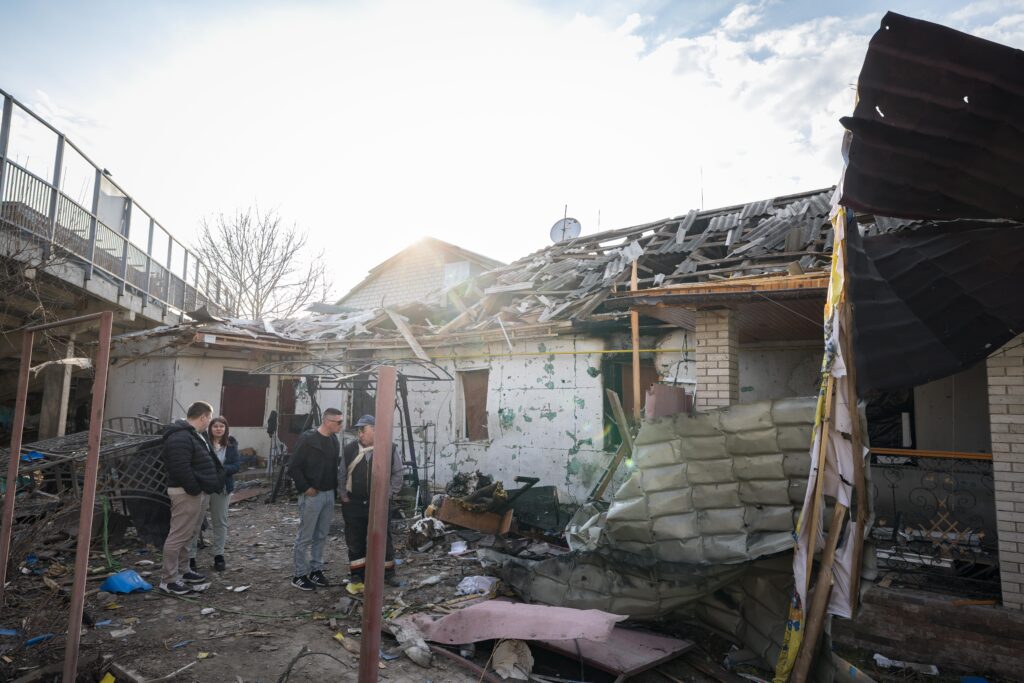
And then war reshaped everything.
Dasha had known her husband nearly all her life. They grew up in the same orbit, linked through family and the orphanage. His parents, like so many in this story, were also graduates of the Berdychiv orphanage. For years, he was simply part of the wider company of friends. But when war came, friendship deepened into something more.
He went to serve. She stayed close, encouraging him, supporting him, carrying on long-distance conversations through the strain of war. What began as steady support slowly became love.
Then came the phone call no woman ever wants to receive.
There had been no contact for nearly three weeks. Then word came that he was critically wounded, head injury, abdominal injury, very little chance of survival. His mother was abroad. His father had already been killed in the war. His younger brother was far away in Lviv. So Dasha went herself.
She traveled to Kharkiv searching for him in military hospitals, one terrifying hallway at a time. At one point, staff directed her toward the morgue.
For a moment, that must have felt like the end of everything.
But he was not there.
Eventually she found him, alive but shattered. When he opened his eyes and saw her, the first words he said were, “I’m sorry.”
It is difficult to imagine a more tender sentence in a darker moment.
Later she would learn more of what had happened: an attack on his unit, a helmet knocked away, fragments entering his head, wounds to his abdomen, and somehow, almost impossibly, a three-kilometer walk to survive while others around him did not make it.
He lived.
But survival and recovery are not the same thing.
Months in the hospital followed. More surgeries. Ongoing pain. Even now, home from service and alive, he still carries the war inside his body.
And Dasha carries it in time.
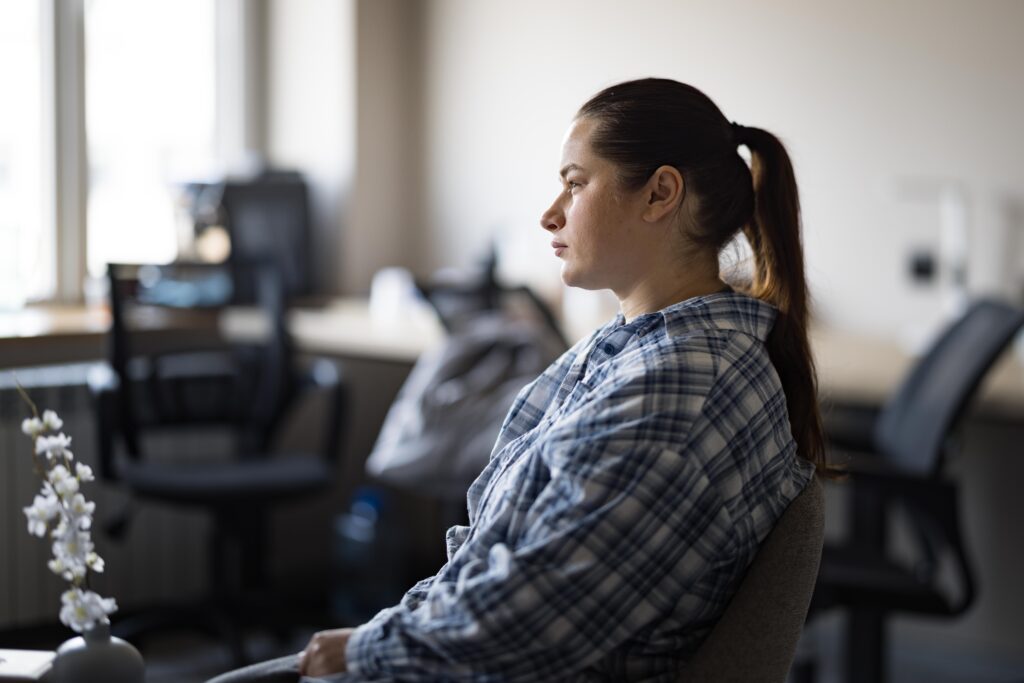
Like so many Ukrainians, she says the war has changed daily life into something smaller, narrower, more immediate. People no longer plan five years ahead. They live one day at a time. The future has become something you hold more loosely.
So when asked what she is most proud of in her life, her answer was striking: “I think what I’m proud of is still in my future.”
That feels like Dasha.
Not cynical. Not defeated. Just honest. Still moving forward. Still becoming.
And when asked to describe what Last Bell has meant to her in one word, she did not hesitate.
Support.
For some people, support sounds like a modest word.
But for a girl taken from home at ten, for a young woman treated differently because of where she came from, for a future hairdresser who nearly quit, for a wife who walked hospital corridors fearing she had lost the man she loved… support is not a small thing.
Support is what helps a life hold together long enough for hope to take root.
And in Dasha’s story, that support helped turn isolation into belonging, talent into vocation, friendship into healing, and survival into the beginnings of a future she is still building.
About Last Bell Ministries
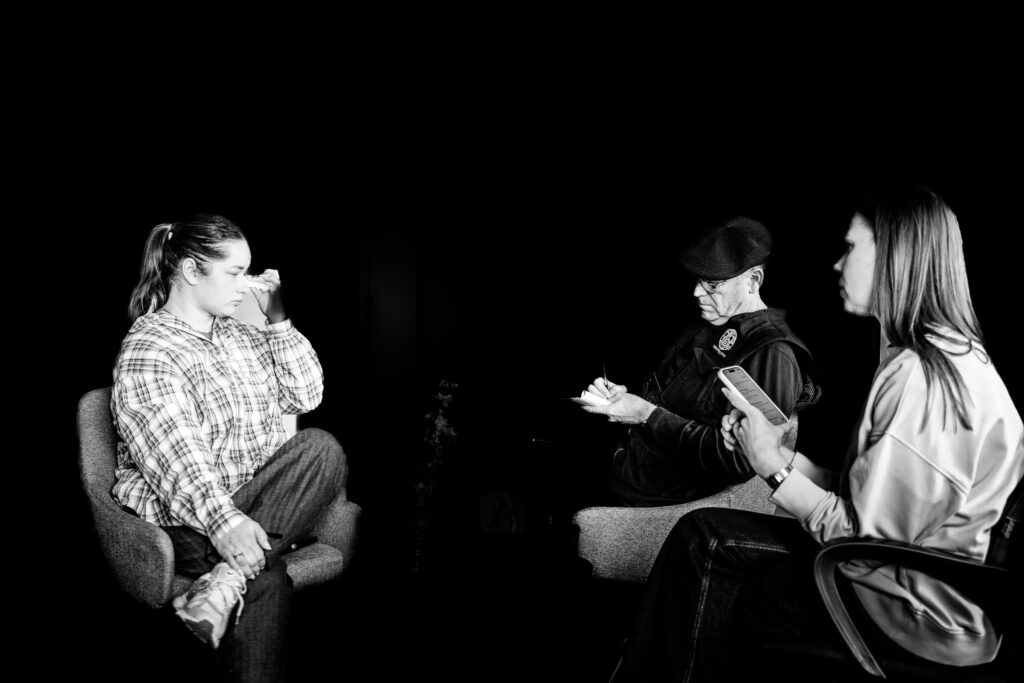
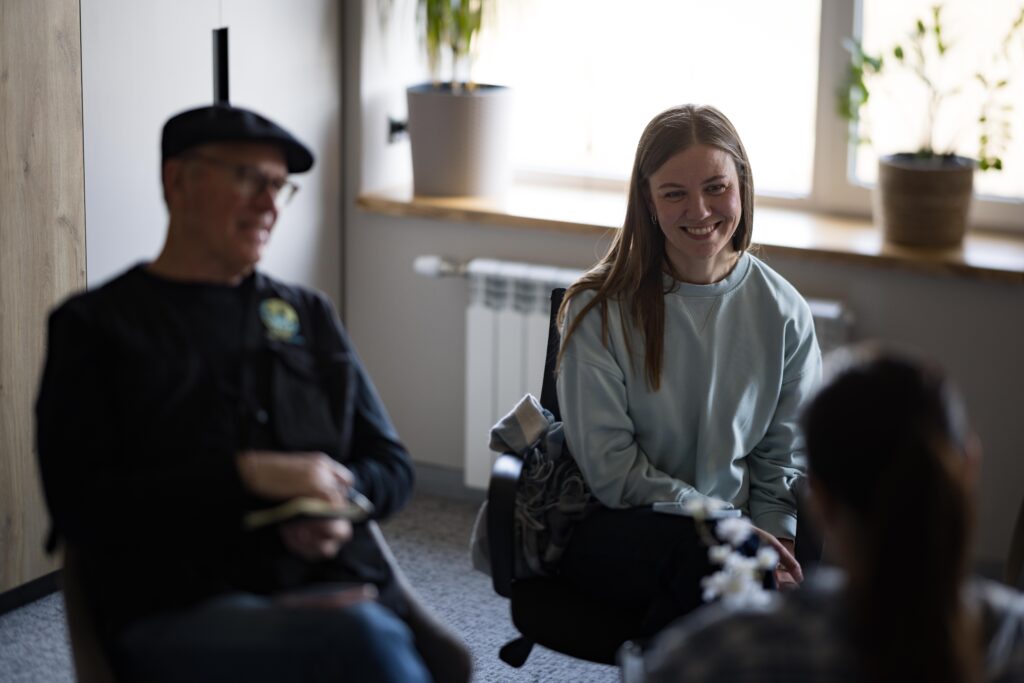
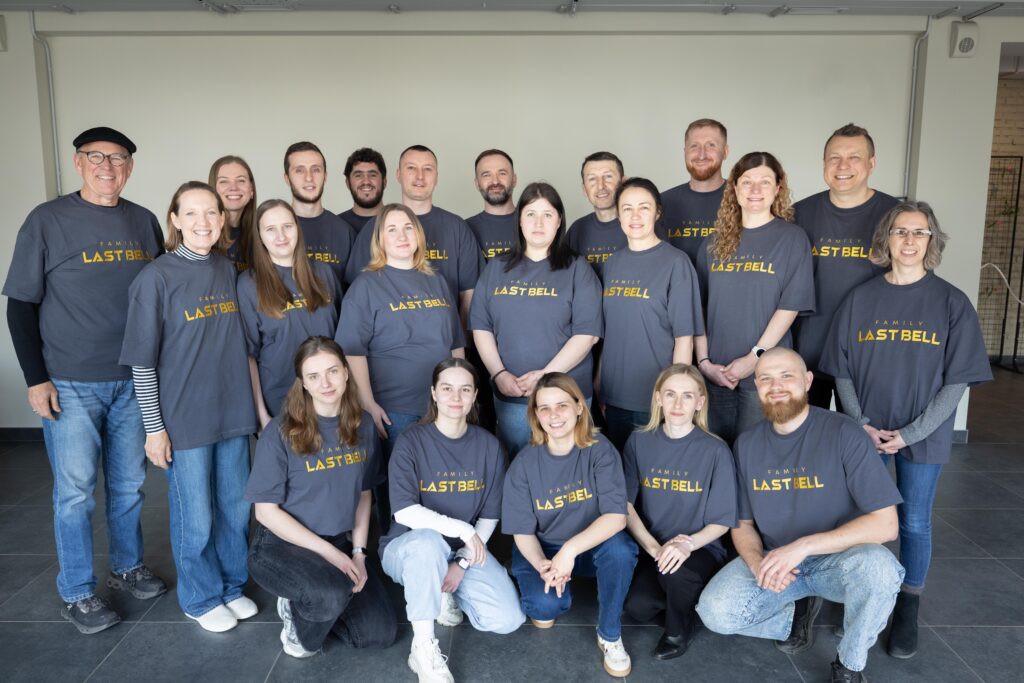
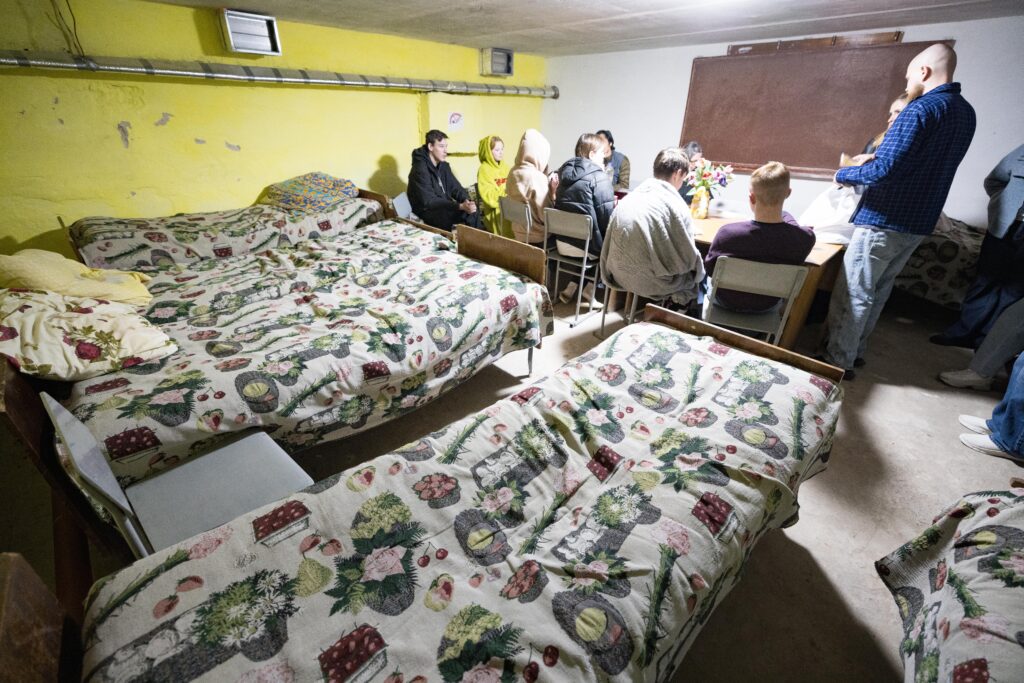
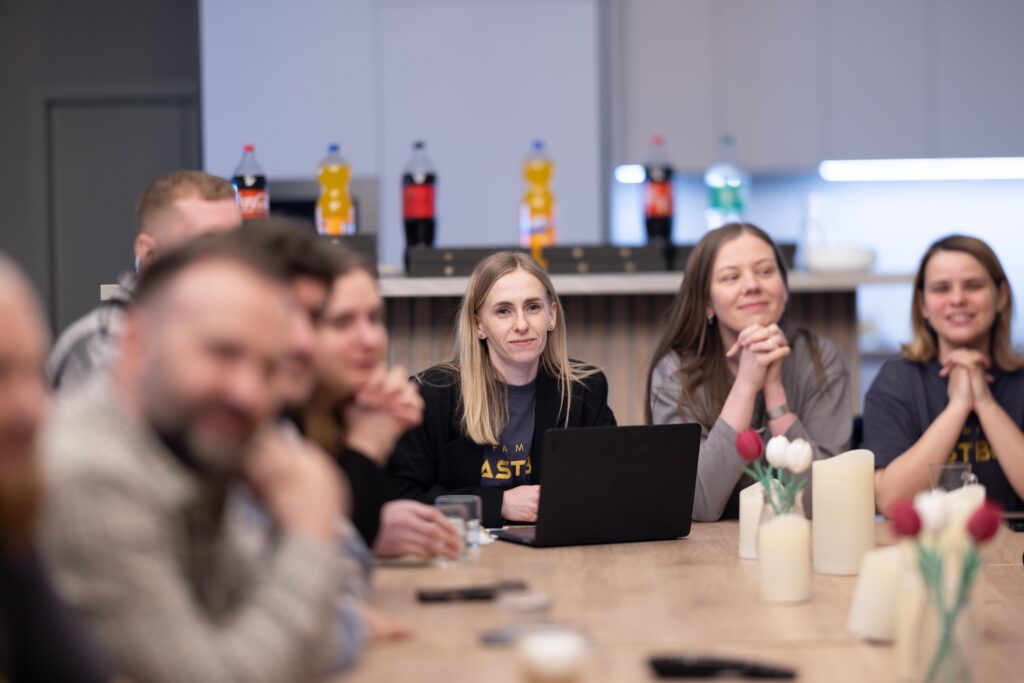
During my time in Zhytomyr, I didn’t just observe the work of Last Bell, I experienced it, in the laughter of young people gathered together, in quiet conversations filled with honesty, and in the steady presence of a community that feels like family.
During so many of the one to two hour interviews I conducted, I often asked a simple question, “If you could describe Last Bell in one word, what would it be?” After careful reflection, the most common answer was the same, family.
In Ukraine, the “Last Bell” marks a student’s transition into adult life. For orphanage graduates, it can be a moment of deep uncertainty. Last Bell Ministries meets them there, providing housing, mentorship, and community, helping turn a vulnerable ending into a hopeful new beginning.
I’ve seen firsthand how this kind of support changes lives, walking with young men and women through some of their hardest moments and helping them move from survival toward stability, healing, and belonging.
If you’d like to learn more about Last Bell or be part of this work, visit lastbell.org.






About Capturing Grace
Discover the story behind Capturing Grace and how my daughter Christina’s life continues to inspire this work at capturinggrace.org/about-us.

No Comments