



16 Apr Sveta: A Piece of Him Still Lives
Some grief enters like a storm.
Other grief settles in quietly and stays.
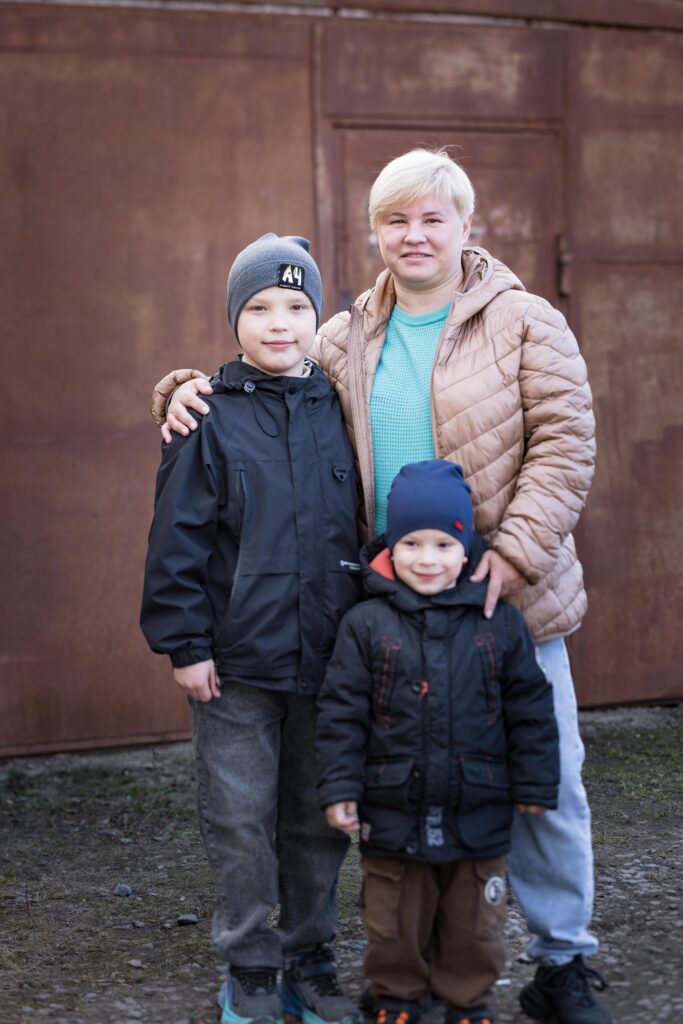
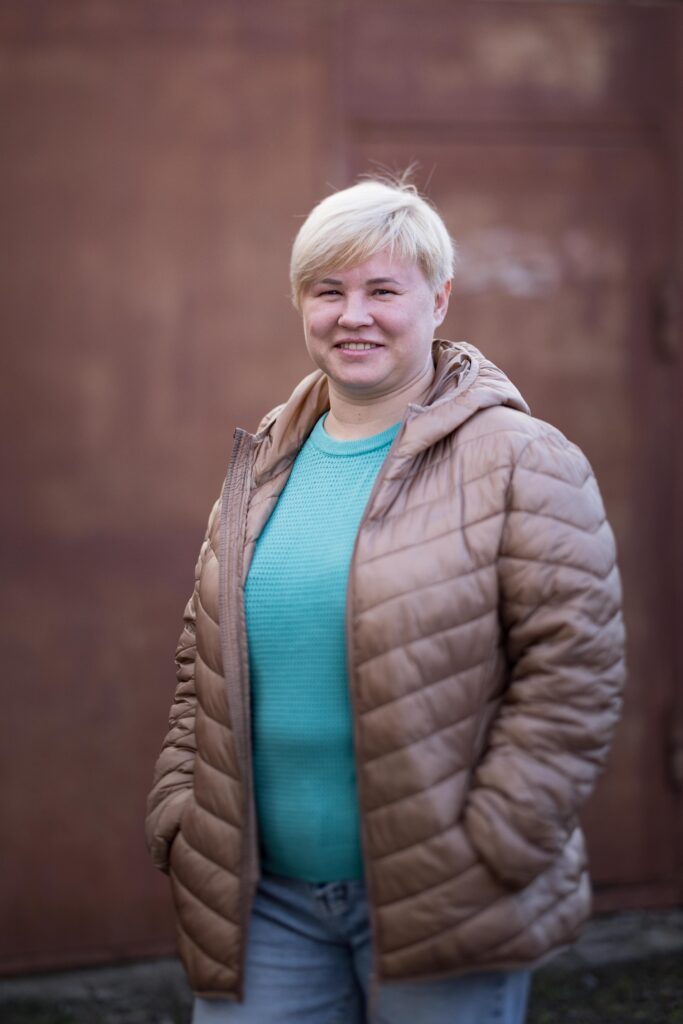
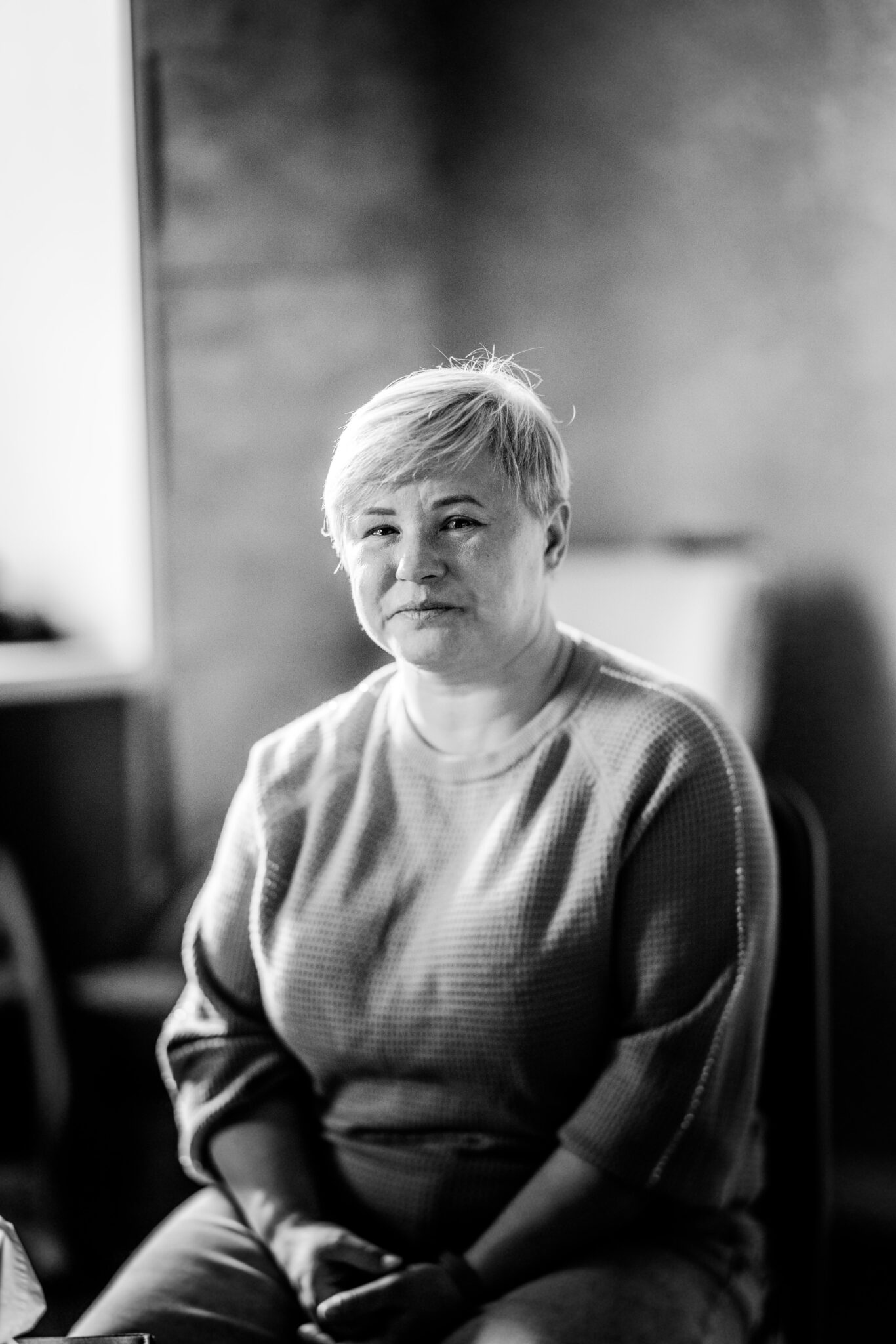
When I sat down with Svitlana “Sveta” Muzychenko in Zhytomyr, Ukraine, I met a woman whose words were simple, direct, and unadorned. She did not try to make her pain sound poetic. She simply told the truth. And somehow, that made her story all the more powerful.
Sveta is 39 years old. She grew up in the orphanage system from the age of three, one of five siblings taken from their parents. Her mother died when Sveta was still a child. Her father remained alive, but was absent from her life. From an early age, she learned what it meant to live without the protection of family.
And yet when she spoke about her childhood, she did not reach first for bitterness. She remembered friends, summer camps, and trips to the sea. She remembered standing at a machine all day in the factory when she was older. She remembered what it felt like to be alone. By her mid-twenties, that loneliness had become one of the defining realities of her life.

That was when a friend brought her to Last Bell.
It was a Christmas gathering at the Shelter, a simple invitation, but it became the beginning of something much bigger. Over time, Last Bell became more than a ministry to Sveta. It became family.
Then she met Andrei.
She was 29 when they met, and she says they fell in love from the first moment.
When I asked what made him special, she smiled gently and answered in a way I won’t forget.
“I can’t even name one special thing,” she said. “In every little thing, he was kind to me. It was the way he lived his life.”
But there was another detail, one that changes the whole story.
At the time she learned he had died, Sveta was pregnant with their second child.
When I asked her what that moment was like, she didn’t give me a long answer. She simply said, “I cry every day. First of all, I realized that I was really happy to have a piece of that person in me, that there would be a person who would represent him.”
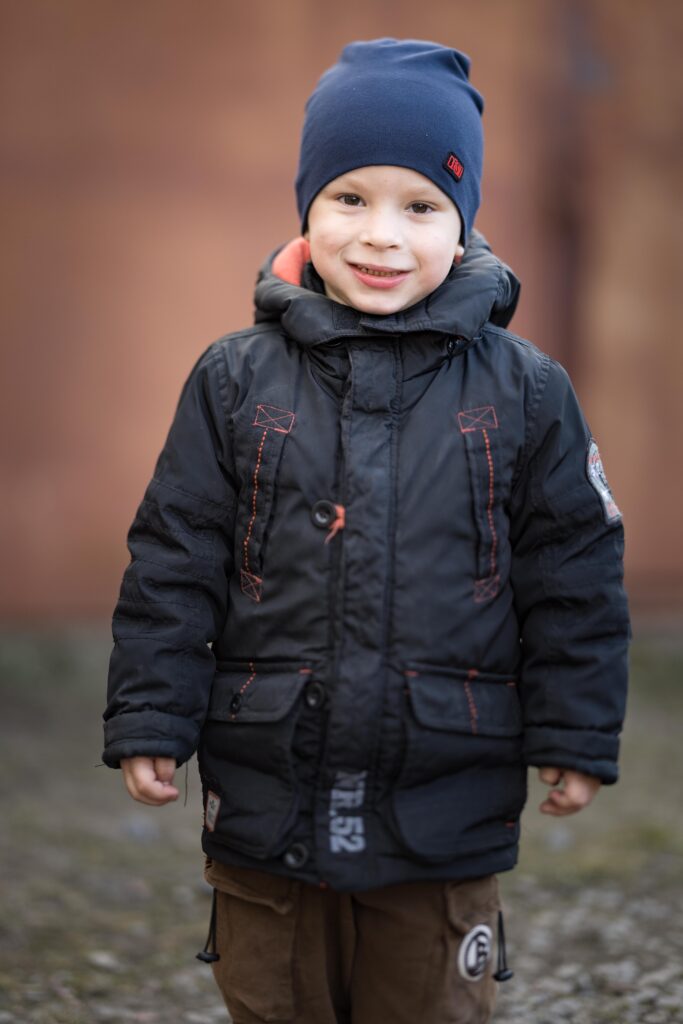
Months later, six months after Andrei’s funeral, her baby boy was born. She named him Andrei.
There are moments in interviews when words feel too small. That was one of them.
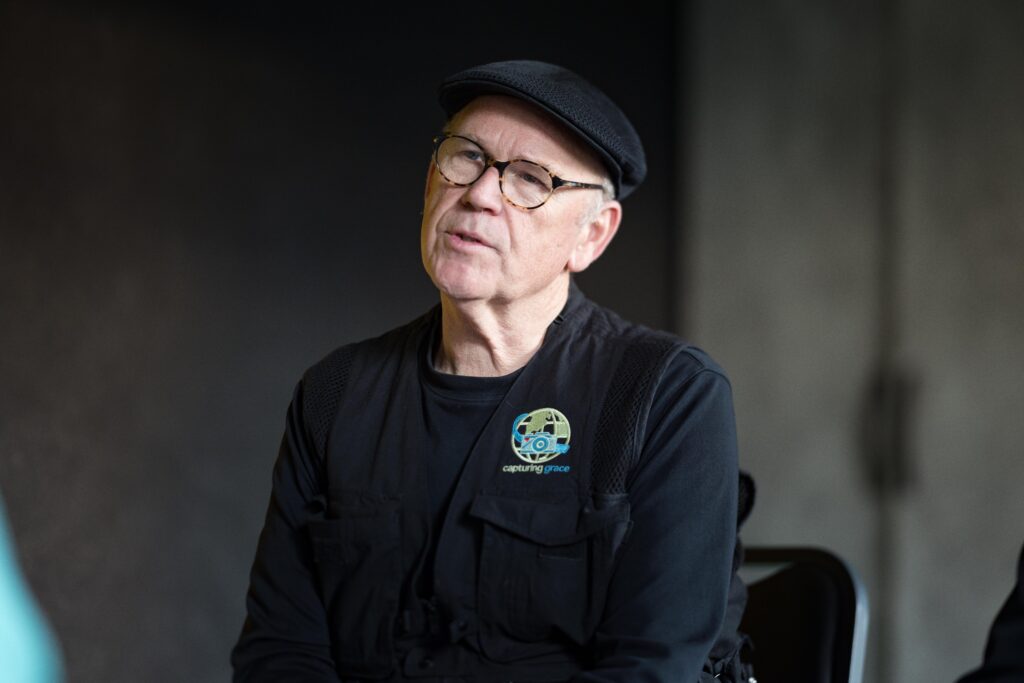
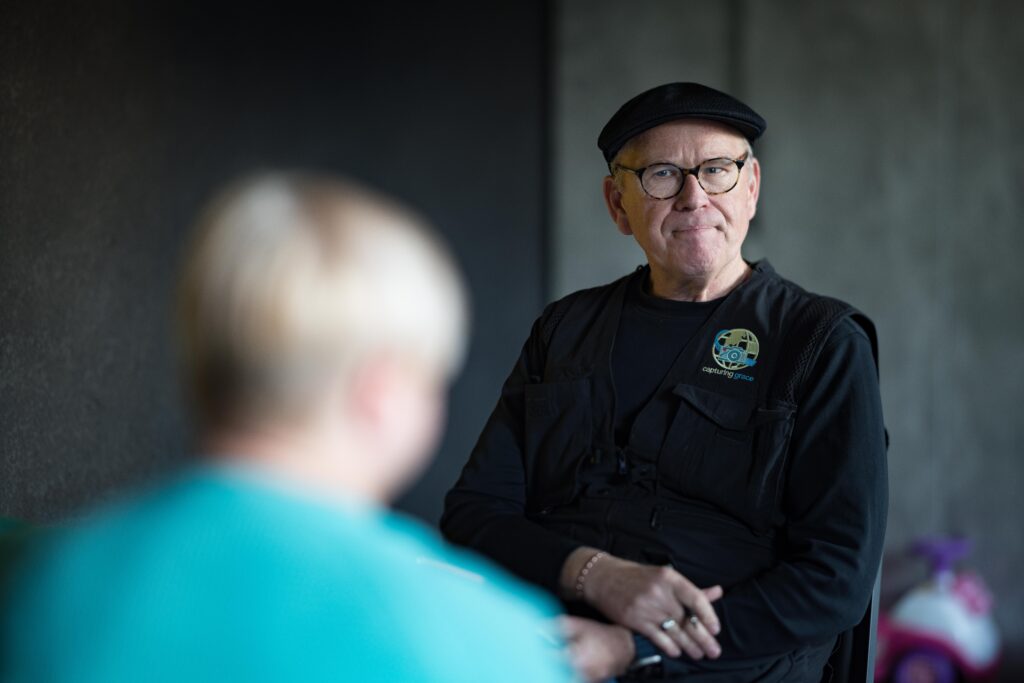
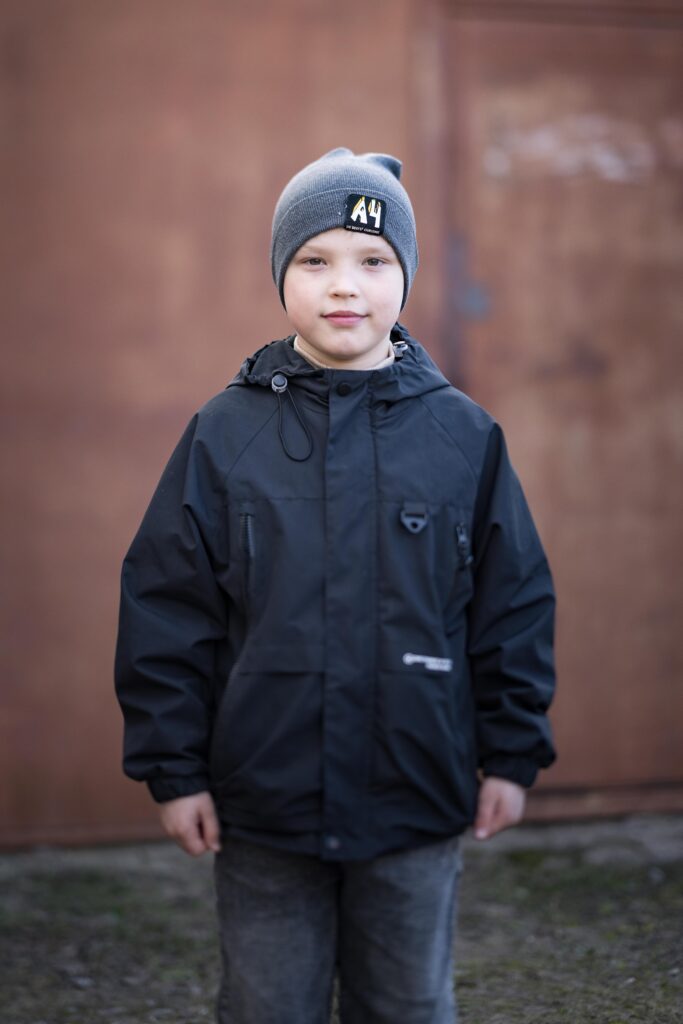
Sveta told me that after her husband’s death, she felt empty. She was frightened, unsure how she would survive, unsure how she would raise two children alone. But the child she carried also became part of what kept her moving forward. The pregnancy gave her hope. It gave her something to hold onto while everything else felt like it had been taken away.
She still cries. She still has days when the grief overtakes her. But when that happens, she turns toward what is in front of her. She plays with her children. She cares for them. She does what mothers do all over the world, while carrying burdens many could hardly imagine.
And through those darkest days, she was not alone.
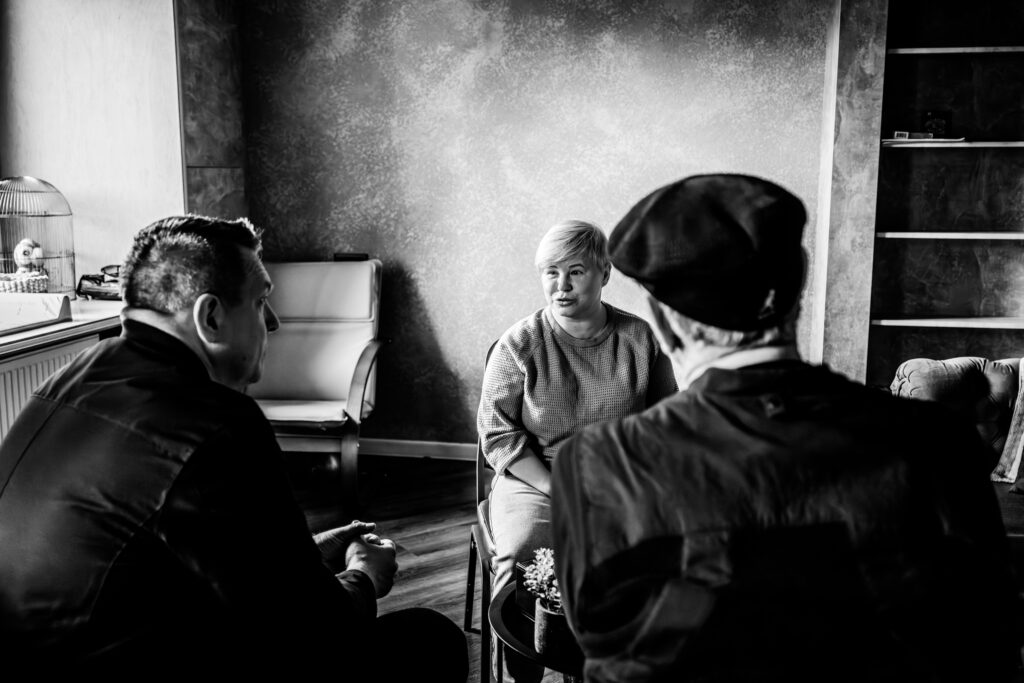
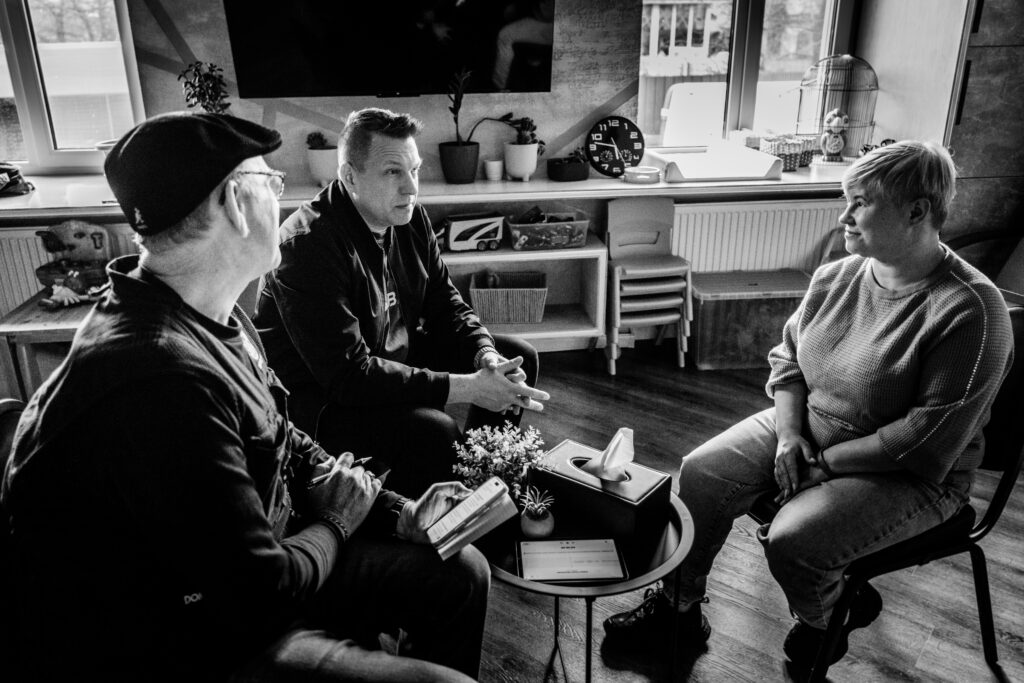
Because Last Bell had already been part of her life for many years, there was already a relationship when the tragedy came. She had been attending mothers’ gatherings organized by the ministry. Oksana and others were teaching, encouraging, and building fellowship among moms and children. So when Sveta’s world shattered, there were people ready to step close.
They visited her. They prayed for her. They helped her.
And she says she could feel those prayers. That detail matters.
Not in some dramatic or flashy way. In a quiet way. A sustaining way. The kind of way that grief recognizes.
“I felt a calmness,” she said. “It was not so painful to go through the struggles and the grieving process.”
At first, her faith faltered. She was angry with God. She had prayed for Andrei’s protection, and when he died, she stopped praying altogether. But later, after a conversation with Oksana in a café, something began to soften. Little by little, she started praying again. And in those prayers, she began to feel calm, more settled, more able to go on.
There was also the practical side of love.
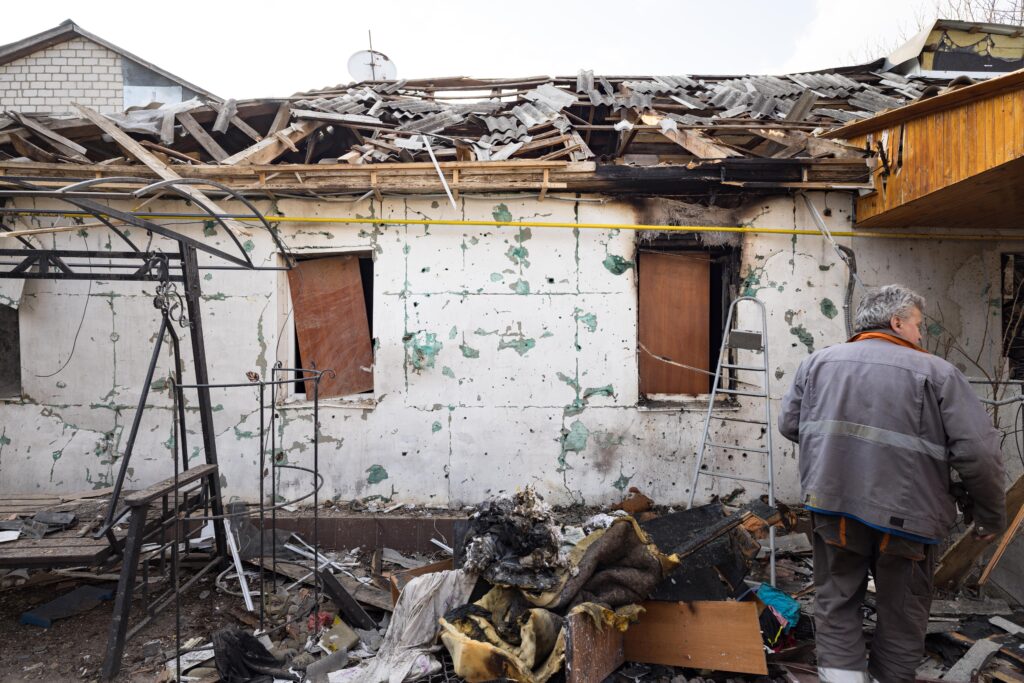
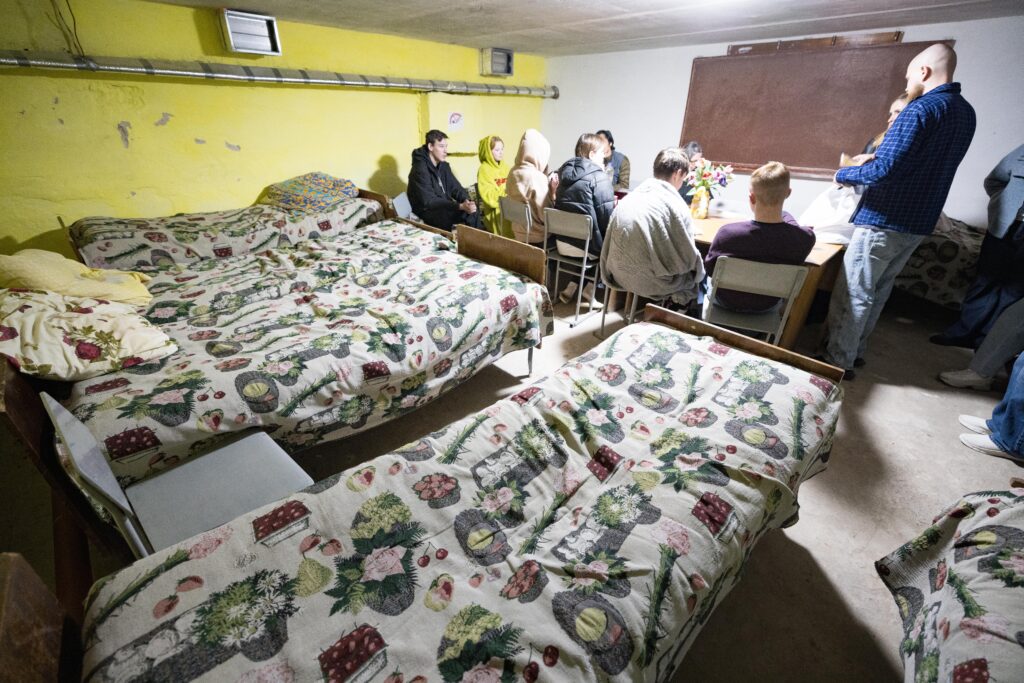
Sveta’s apartment needed repairs before the baby was born. She told me the work was not really for herself. It was for the children. She wanted them to have a comfortable and beautiful place to live. Last Bell stepped in and made that possible. During the repairs, Sveta stayed for about a month at the Shelter, where she felt calm, quiet, comfortable, at home.
When she finally returned and saw the completed apartment, the first word she used was joy. Not because walls had been painted. Not simply because the work looked nice. But because her children would now live in a place made ready for them, a place of beauty in the middle of so much sorrow.
And perhaps even more than that, it meant that something Andrei would have wanted to do for his family had been carried through to completion. She agreed with that right away when I mentioned it.
The repairs were more than repairs. They were love continuing after death. They were unfinished care being carried forward by the hands of others.
Toward the end of our conversation, I asked Sveta what life would have been like had she never known Last Bell. Her answer came without hesitation.
“It would have been very hard,” she said. “First of all, I would have felt very lonely.”
Lonely.
For a woman who lost her parents, grew up in the orphanage system, lived much of life on her own, then lost her husband while carrying his child, that word carries a great deal of weight. But loneliness is not the last word of her story.
Family is.
Not family in the easy sense. Not family as something automatically given. But family as something rebuilt, received, and lived out in community. Family through presence.
Family through prayer. Family through Shelter. Family through repairs. Family through people who stay.
When I asked what she hopes for her children, her answer was exactly what you would expect from a mother in Ukraine today.
Peace.
Peace in the country. Health for her children. A happy life ahead.
Her older child, she says, looks the most like Andrei. And yes, she sees his kind nature living there too.
So here is what I will remember about Sveta.
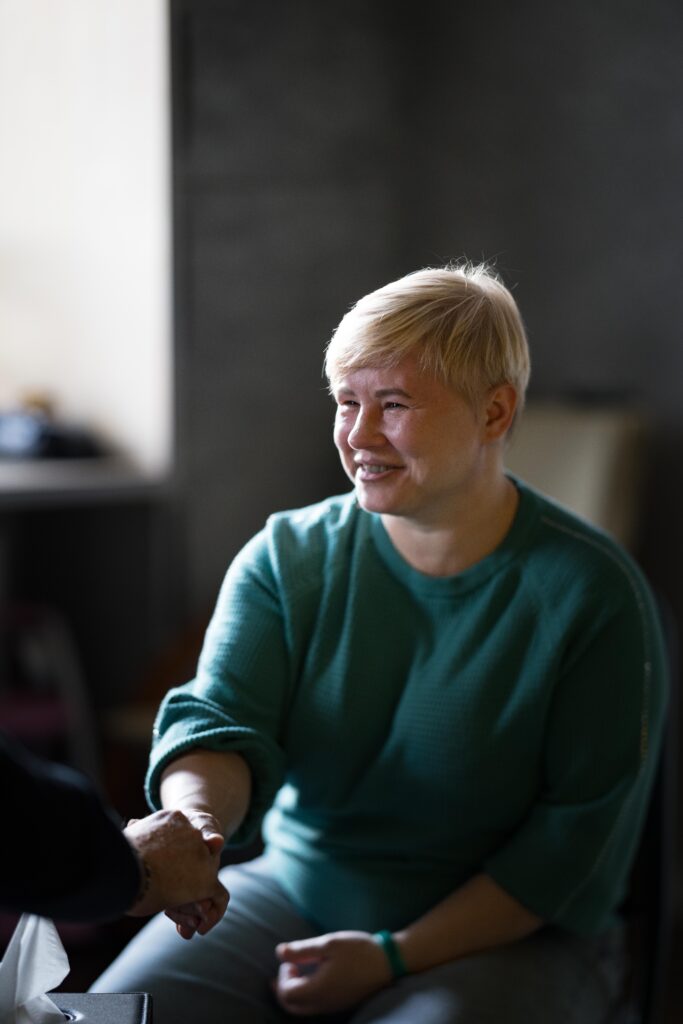
I will remember a mother who has suffered more than most people should ever have to suffer. I will remember her steady honesty. I will remember the way she talked about her husband’s kindness in ordinary things. I will remember the strength it took for her to say that carrying his child helped her survive losing him. And I will remember the quiet miracle that in a life marked so deeply by loss, love still found a way to remain.
A piece of him still lives.
And because of that, and because of the people who came close when she needed them most, a piece of hope lives there too.
About Last Bell Ministries
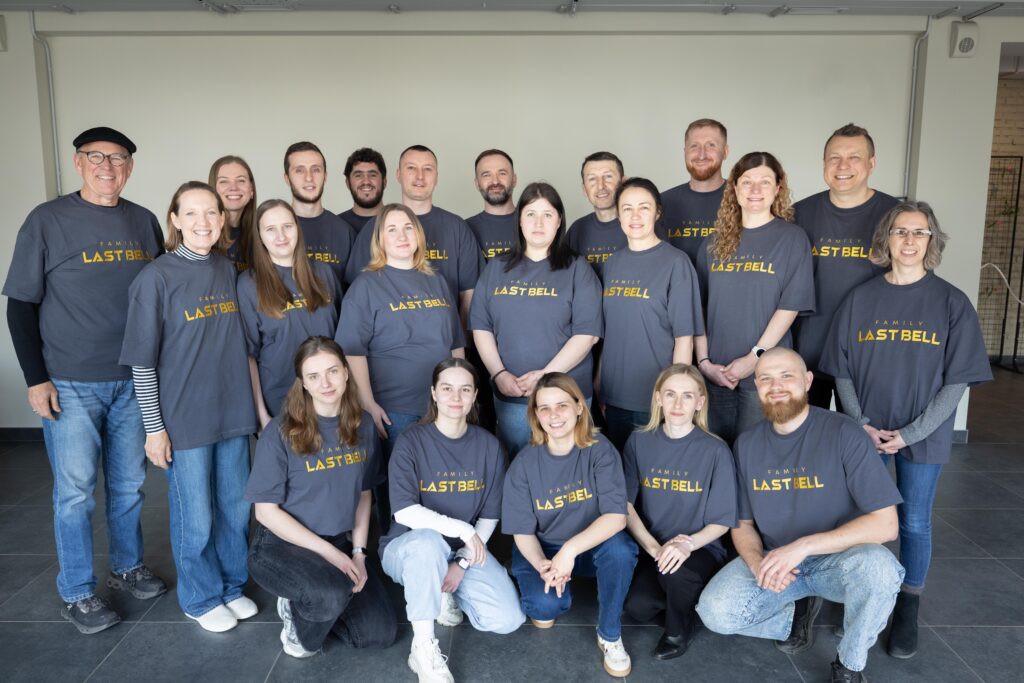
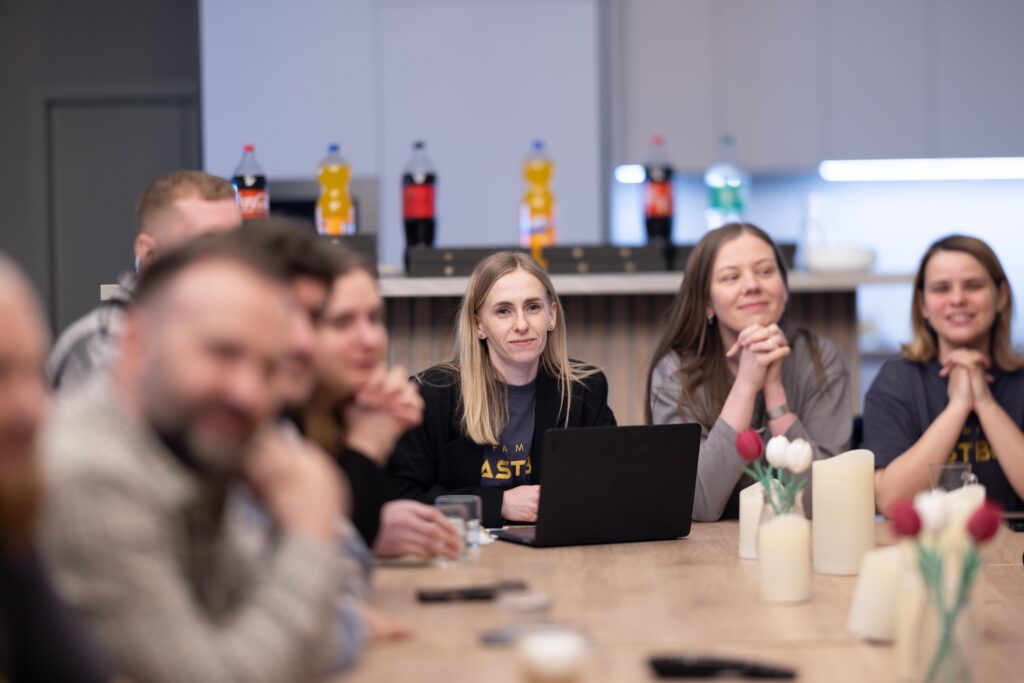
During my time in Zhytomyr, I didn’t just observe the work of Last Bell, I experienced it, in the laughter of young people gathered together, in quiet conversations filled with honesty, and in the steady presence of a community that feels like family.
During so many of the one to two hour interviews I conducted, I often asked a simple question, “If you could describe Last Bell in one word, what would it be?” After careful reflection, the most common answer was the same, family.
In Ukraine, the “Last Bell” marks a student’s transition into adult life. For orphanage graduates, it can be a moment of deep uncertainty. Last Bell Ministries meets them there, providing housing, mentorship, and community, helping turn a vulnerable ending into a hopeful new beginning.
I’ve seen firsthand how this kind of support changes lives, walking with young men and women through some of their hardest moments and helping them move from survival toward stability, healing, and belonging.
If you’d like to learn more about Last Bell or be part of this work, visit lastbell.org.







About Capturing Grace
Discover the story behind Capturing Grace and how my daughter Christina’s life continues to inspire this work at capturinggrace.org/about-us.

No Comments