



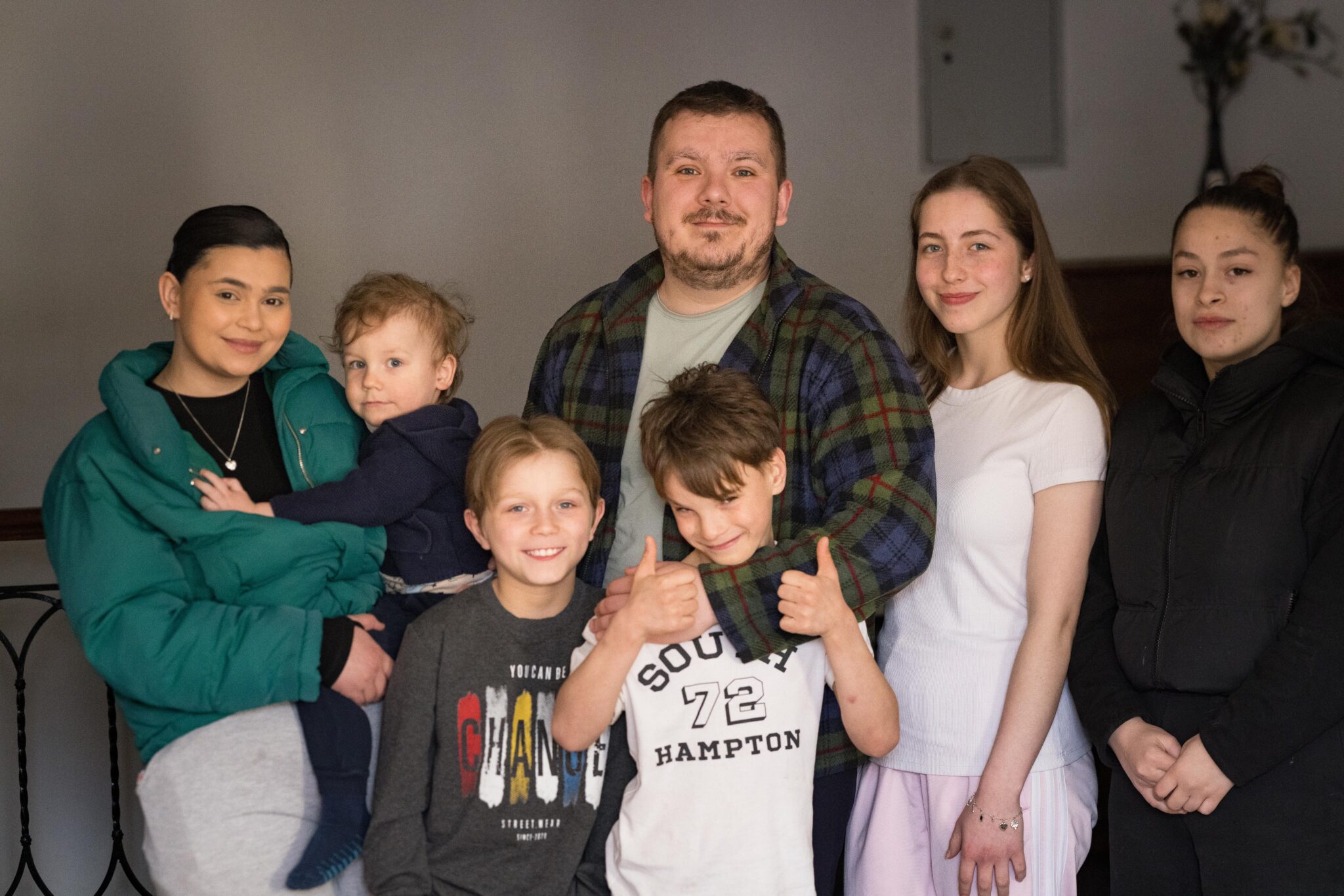
14 Apr Christian Alliance Moldova Without Orphans: Andrei and Vera | When A House Became A Family
Capturing Grace on a journey to Moldova
There are moments when you walk into a place and you can feel the difference before anyone says a word.
This was one of those places.
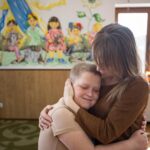
I stepped into what used to be a placement center, what most of us would simply call an orphanage. But something had changed here. You could feel it in the quiet, in the way the children moved, in the way Andrii and his wife Vera spoke about the kids, not as a program, not as numbers, but as their own.
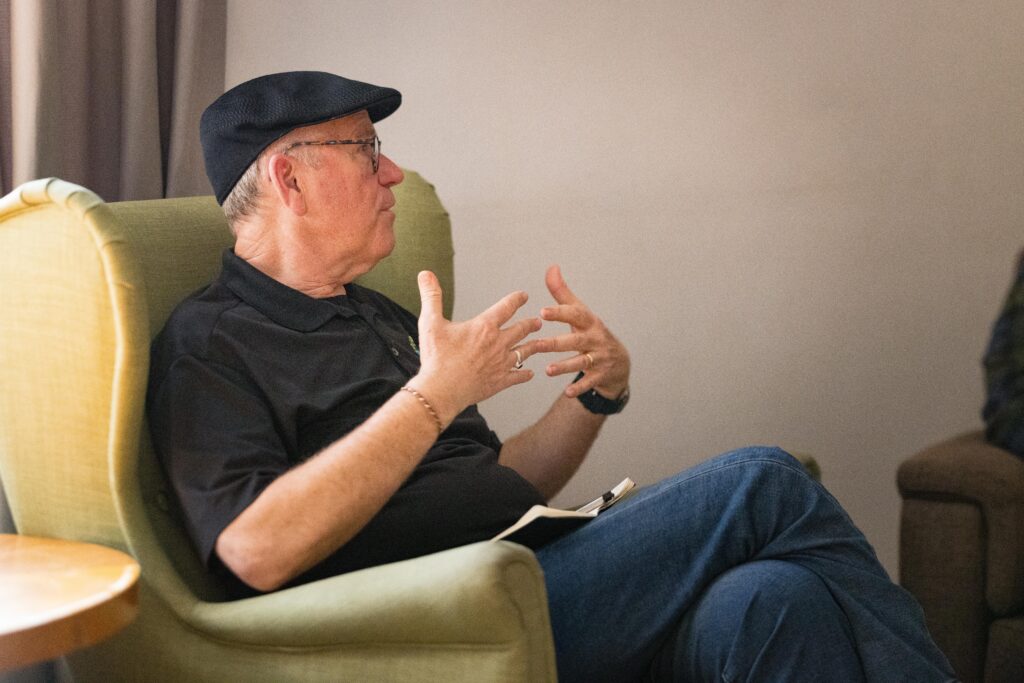
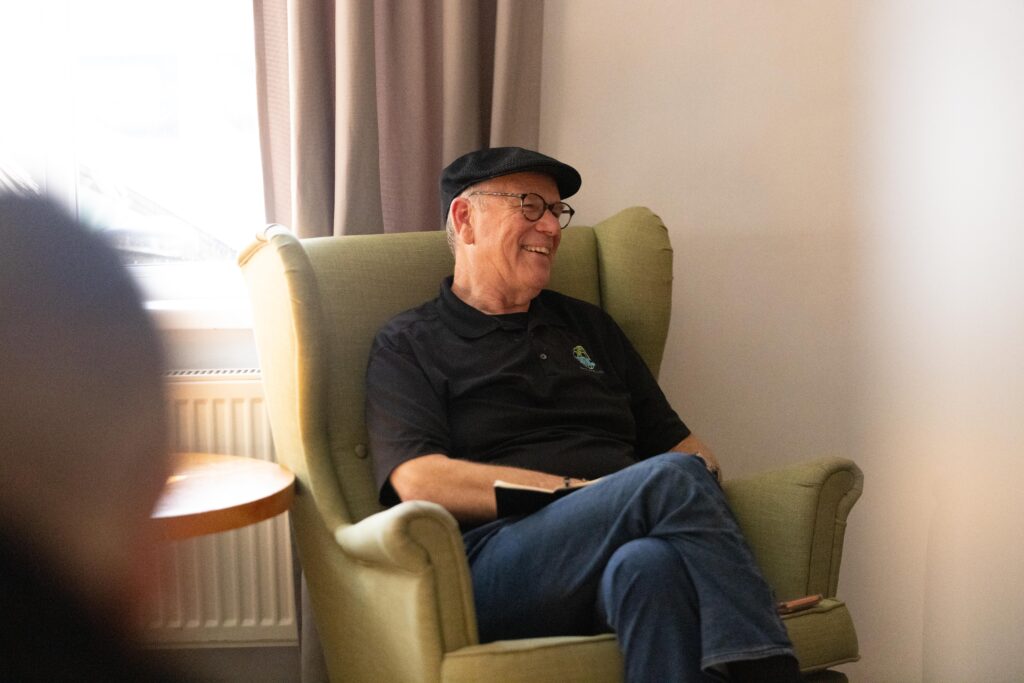
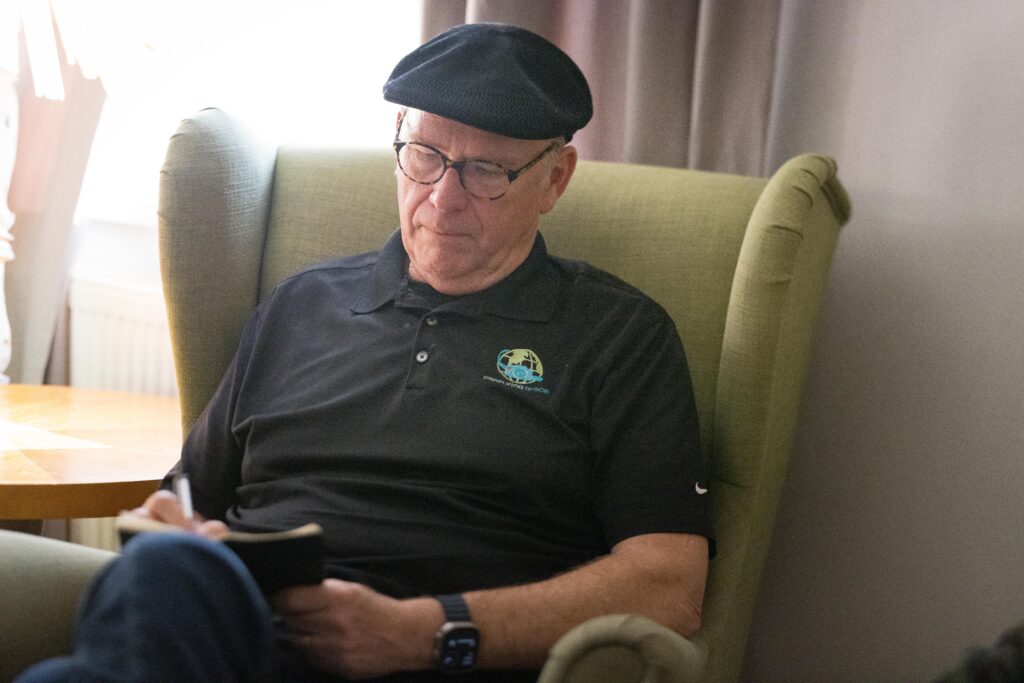
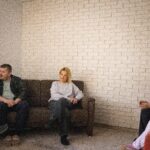
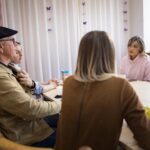
We sat together in their living room, a space that now feels like a home, and Andrii began telling me the story.


Years ago, this place looked very different.
At one point, there were 24 children living here. Four children to a room. Staff coming and going in shifts. Over time, more than 300 children passed through these doors.
They were doing what they could.
Children had food. A bed. Safety.
But something deeper was missing.
“I remember working night shifts,” Andrii told me. “We gave them everything physically, but something didn’t click. There was no continuity. We didn’t have time for the children. One shift would leave, another would come. That creates more trauma.”
It is a hard thing to admit when you have given your life to helping children, to look back and realize that something essential was still absent.
But that honesty became the beginning of something new.
The shift did not come easily.
Funding was disappearing. One major supporter, covering more than half of their budget, pulled out. Accreditation issues surfaced. The war in Ukraine redirected resources. Everything felt uncertain.
At the same time, something else was happening.
Through trauma-informed training and connections with World Without Orphans and ACMO, Andrii and his team began to see a different picture of care, one built not around institutions, but around families.
Children do not just need safety.
They need attachment.
They need someone who stays.
He told me about a trip to Thailand for a World Without Orphans gathering. At that point, he and his wife were exhausted. They had been crying together, overwhelmed by the weight of it all. He thought he might return and close everything down.
Instead, something shifted.
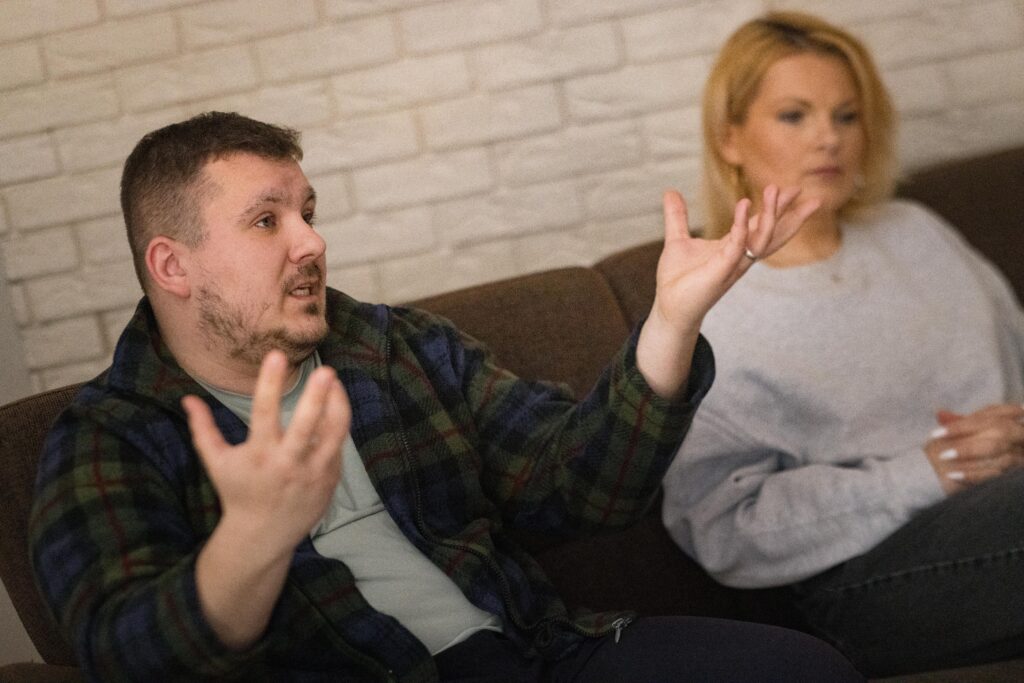
“We realized we were responding to need,” he said, “but not creating lasting change.”
So they made a decision.
They would no longer operate as a placement center.
They would become a family.
Over the next six months, everything changed. Staff were prepared for the transition. Some would not continue. The number of children had to be reduced. Decisions had to be made carefully, choosing those most vulnerable to remain.
And then came an unexpected moment.
The plan had been for someone else to step in as house parents.
No one said yes.
So Andrii and Vera did.
They asked the children who they wanted to stay with.
Many answered the same way.
“With Vera.”
And just like that, this stopped being a system.
It became a home.
Today, the difference is undeniable.
The children go to church together, not because they are told to, but because this is what families do. They are known in the community. They are prayed for. They are seen.
Andrii told me something that stayed with me.
“This is the best response for a child in vulnerability. I would never go back.”
The ministry now functions as a family-based foster home, preparing children for adoption when possible, and becoming family for those who may never be adopted.
Some children come and stay for months before moving into a permanent home.
Others stay for years.
Either way, they experience something they may have never known before.
Belonging.

He described their role in a way I won’t forget.
“We are the last ship,” he said.
The last chance for a child to experience family.
Before I left, he shared the story of two siblings, Anna and David.
David arrived when he was just four years old. That alone was unusual. Their system had always been built for older children. There was pressure to separate him from his sister.
They refused.
Today, Anna is 18. She is studying tourism, growing in her faith, serving in church, building a life marked by discipline and hope.
David is now eight.
And they are in the process of adopting him.
Sometimes transformation doesn’t come through adding more.
Sometimes it comes through changing everything.
Less children in the house.
More presence in the room.
Less structure.
More relationship.
Less institution.
More family.
And standing in that home, watching the way they live together, it becomes clear.
This is what every child was created for.
About Lifesong Moldova
Lifesong Moldova, led by John and Alina Druta, serves vulnerable children, young people, and families through Christ-centered care, discipleship, and a deep commitment to family-based restoration. Through mentorship, education, practical support, and advocacy, they are helping prevent child abandonment, strengthen families in crisis, and walk alongside young people as they transition into adulthood. Their work also includes a coffee shop in Chișinău, a social enterprise that provides vocational training, meaningful employment, and a supportive community for youth from vulnerable backgrounds. In a country where poverty, family breakdown, and exploitation place many children at risk, Lifesong Moldova is helping create environments where children and young adults are known, loved, and given the opportunity to thrive. John and Alina’s work also reaches beyond Lifesong Moldova itself, strengthening a wider circle of Christ-centered ministries across the country. Through trusted relationships, collaboration, and shared vision within ACMO (Christian Alliance Moldova Without Orphans), ministries like Help and Resources Center for Children, led by Andrei and Vera, are also encouraged and supported as together they care for vulnerable children and families in Moldova.
About Capturing Grace
Discover the story behind Capturing Grace and how my daughter’s life continues to inspire this work at capturinggrace.org/about-us/
Our time in Moldova






















No Comments