



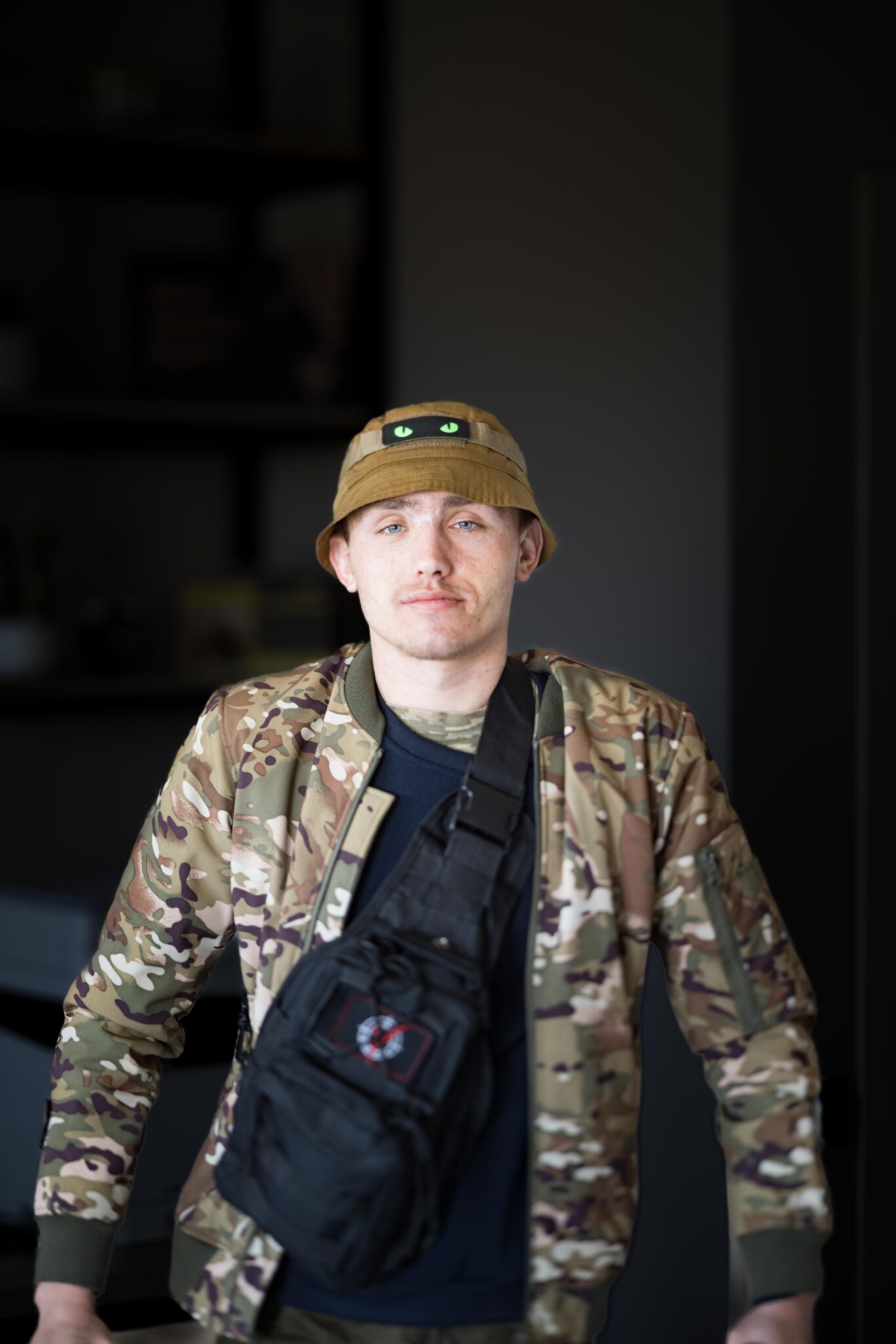
16 Apr Serhiy: The Ones He Couldn’t Save
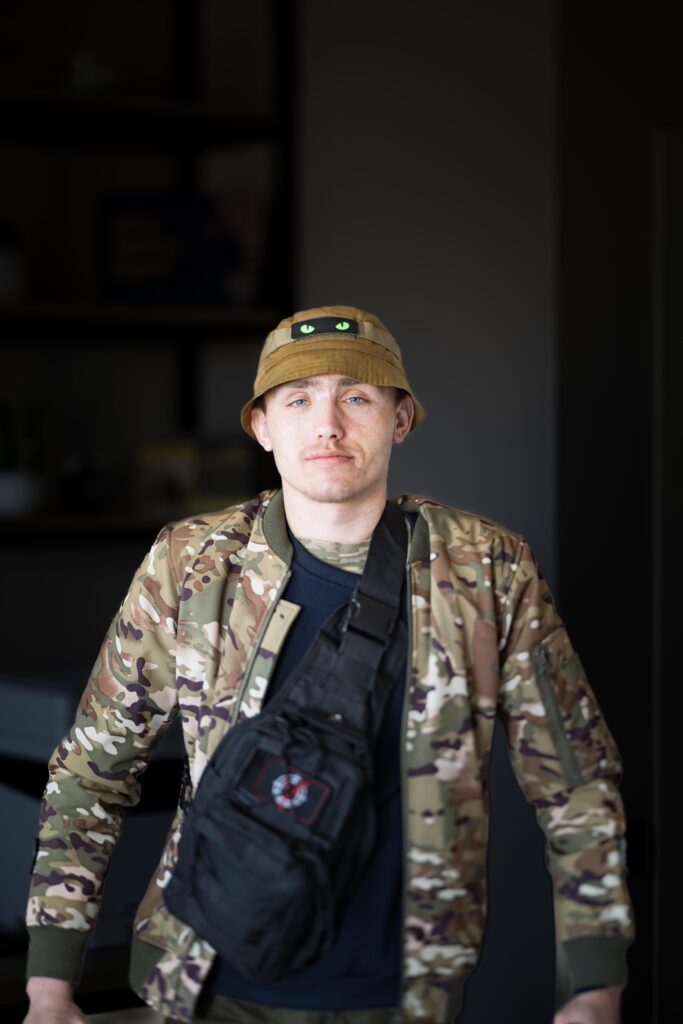
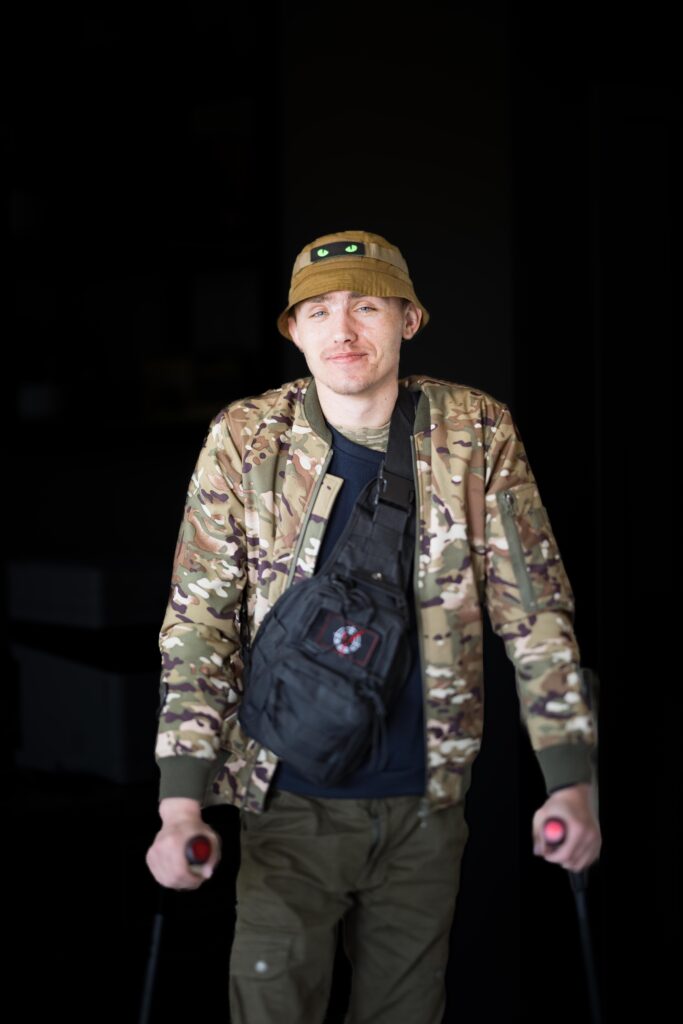
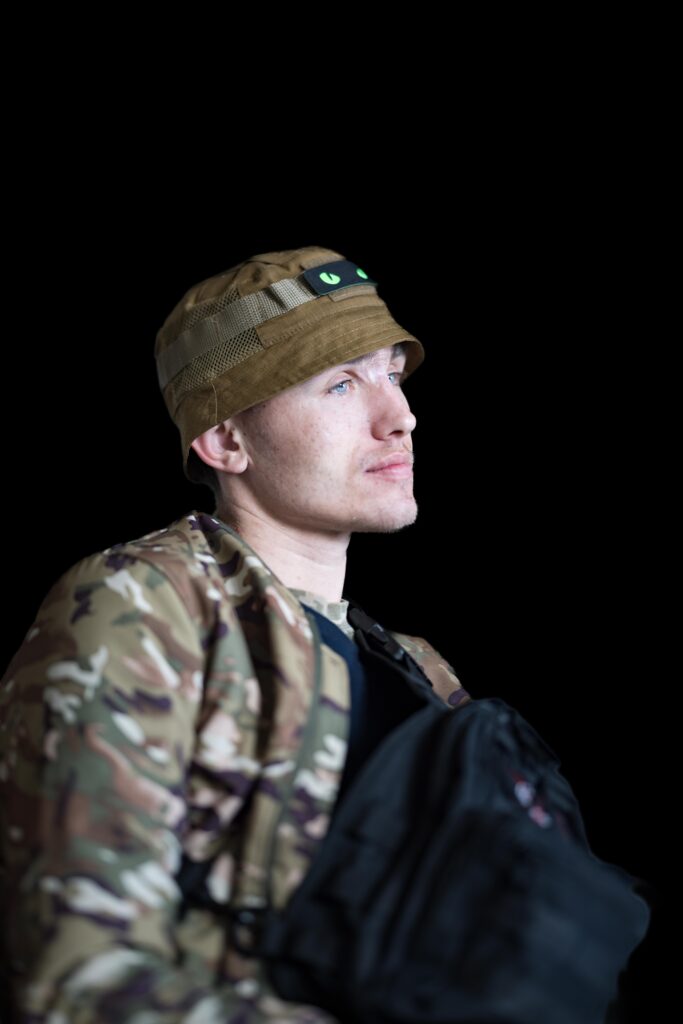
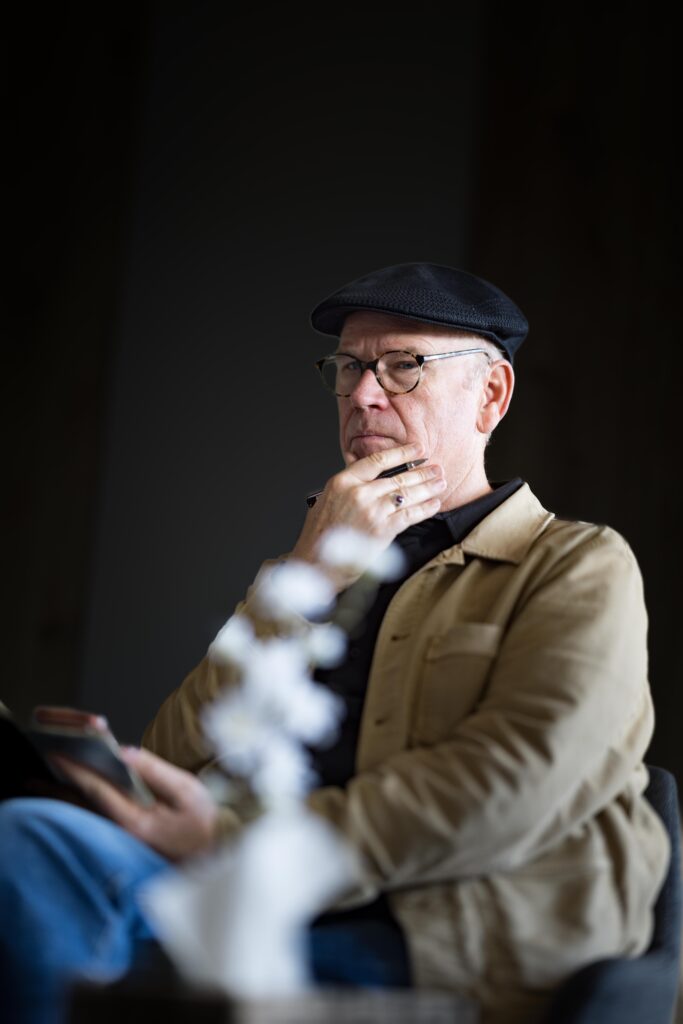
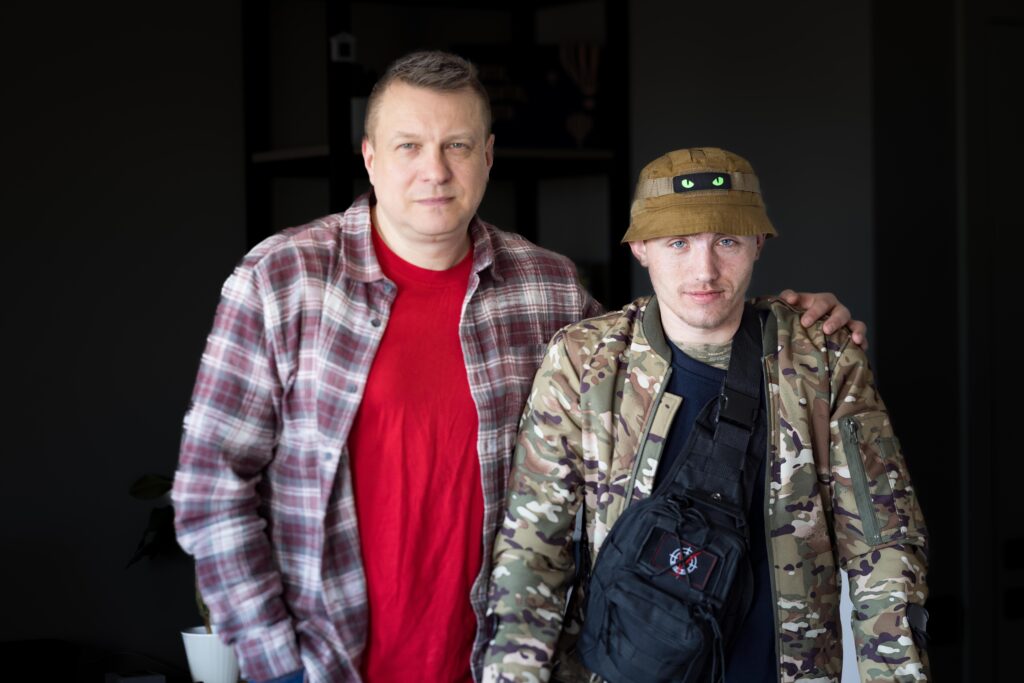
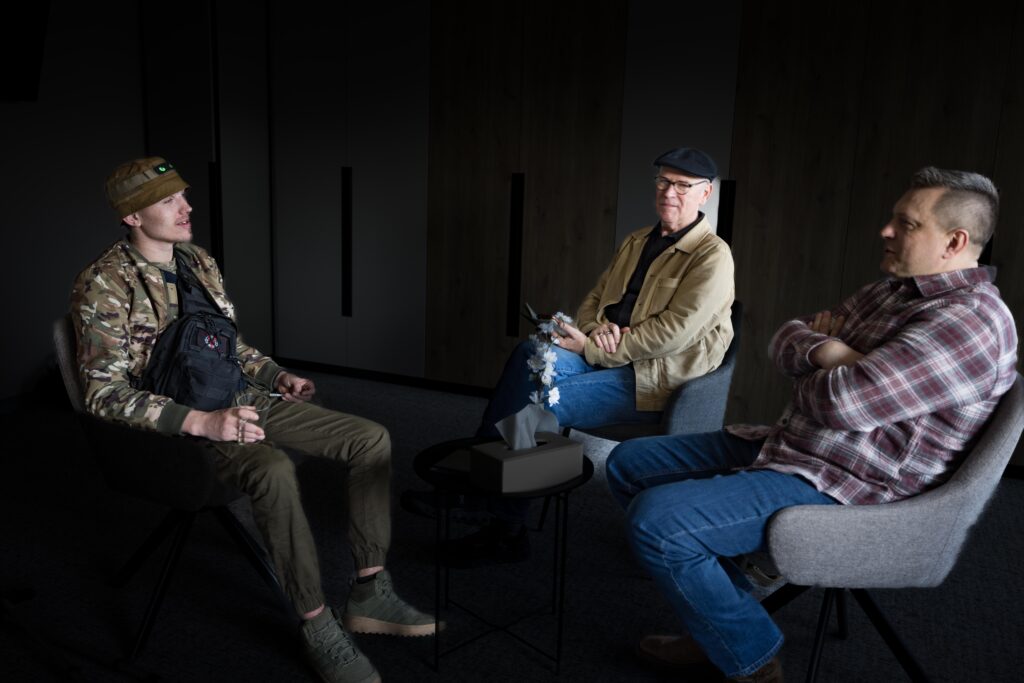
I sat across from Serhiy, 23 years old, and carrying more than most men twice his age.
There are moments in these interviews when you can feel the weight of someone’s life before he ever says a word. This was one of those moments.
He first connected with Last Bell when he was about 16, during his second year of trade school. A teacher brought students into a classroom where Ilya and Katya were meeting with them. What he found there felt unlike the life forming around him, calm, safe, steady. No alcohol. No chaos. Just good people and a place where he felt comfortable.
He kept coming back.
He remembered the Carpathian camps, time in the forests and by the rivers, picnics, laughter, and the sort of memories that stay bright even when so much else becomes difficult to hold onto. He told me he still remembers those good things, even though the injury he now lives with has left his thoughts twisting at times, making it hard to find words.
Without Last Bell, he said, he likely would have been lost.
“I would probably be drinking somewhere,” he told me, “just a lost drunk person laying outside.”
That is not dramatic language to him. It is simply what he believes would have happened if no one had stepped in and redirected his life.
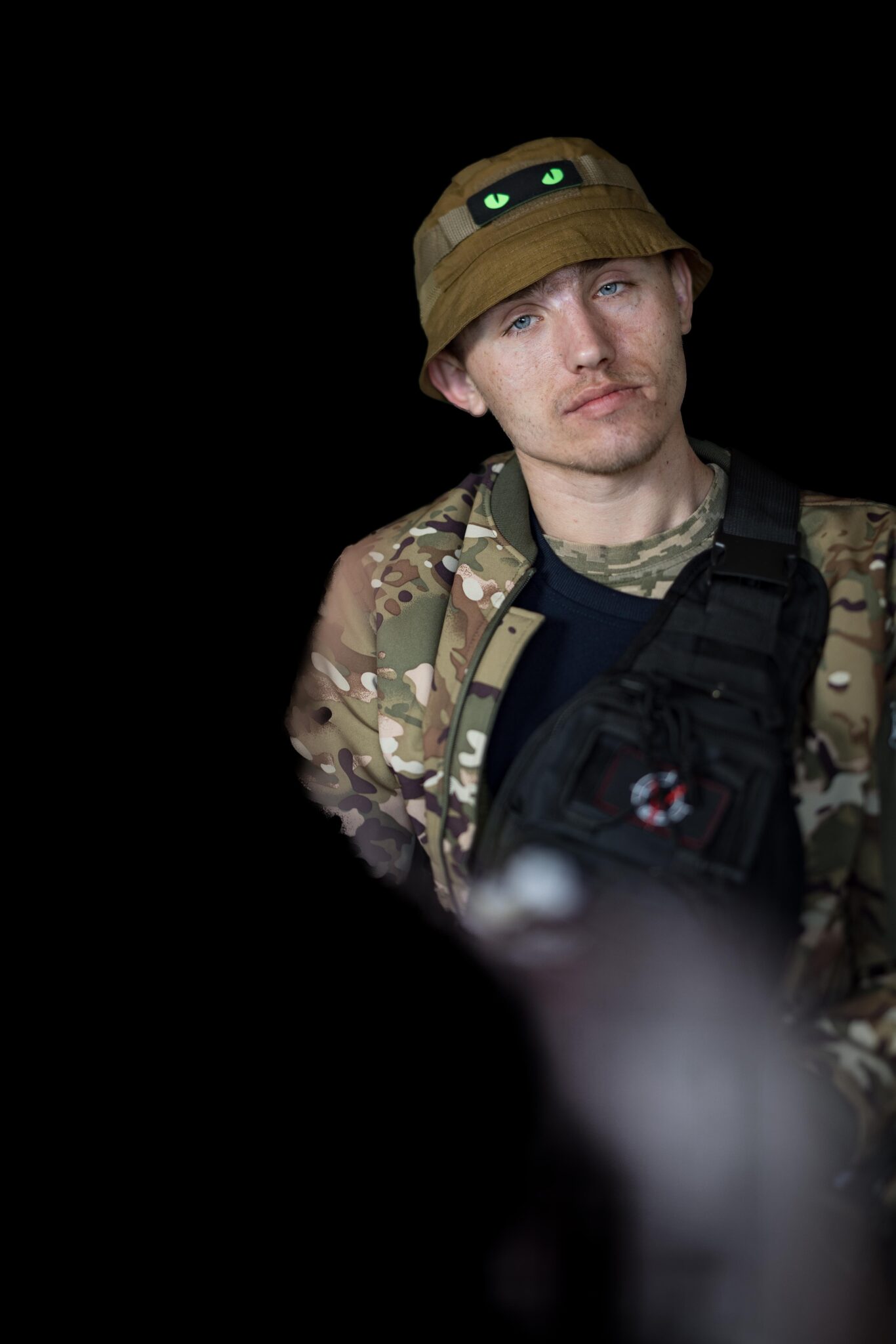
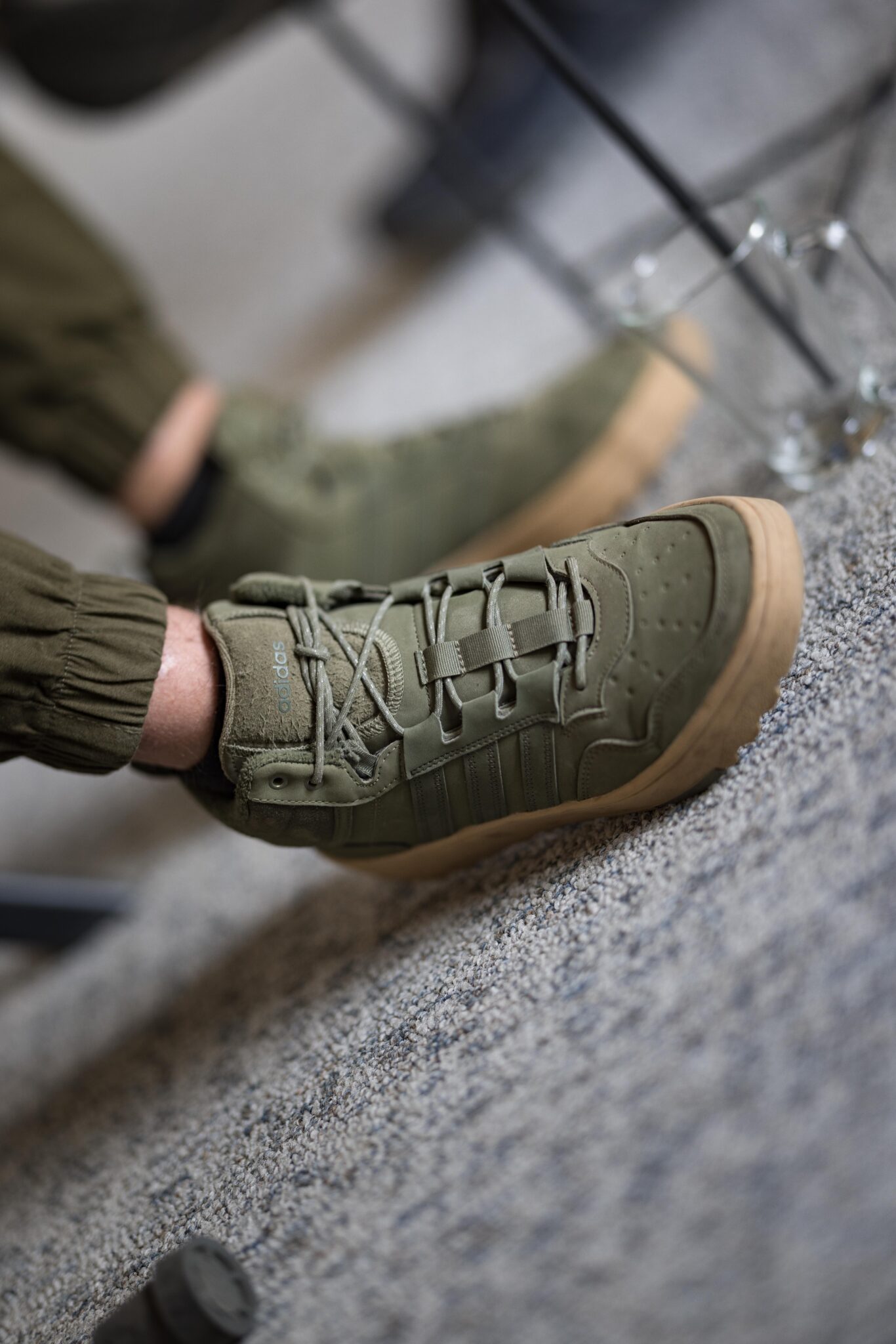
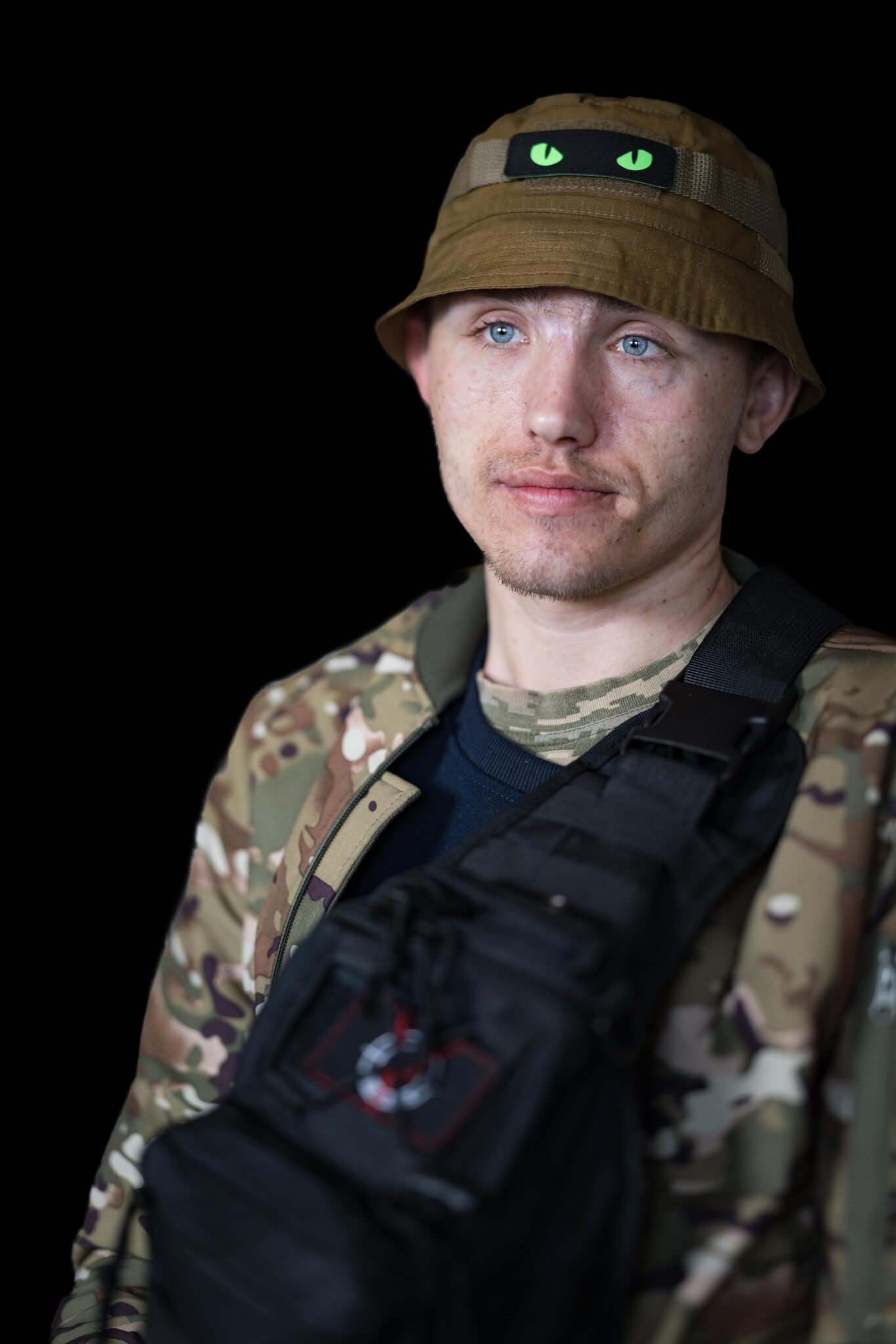
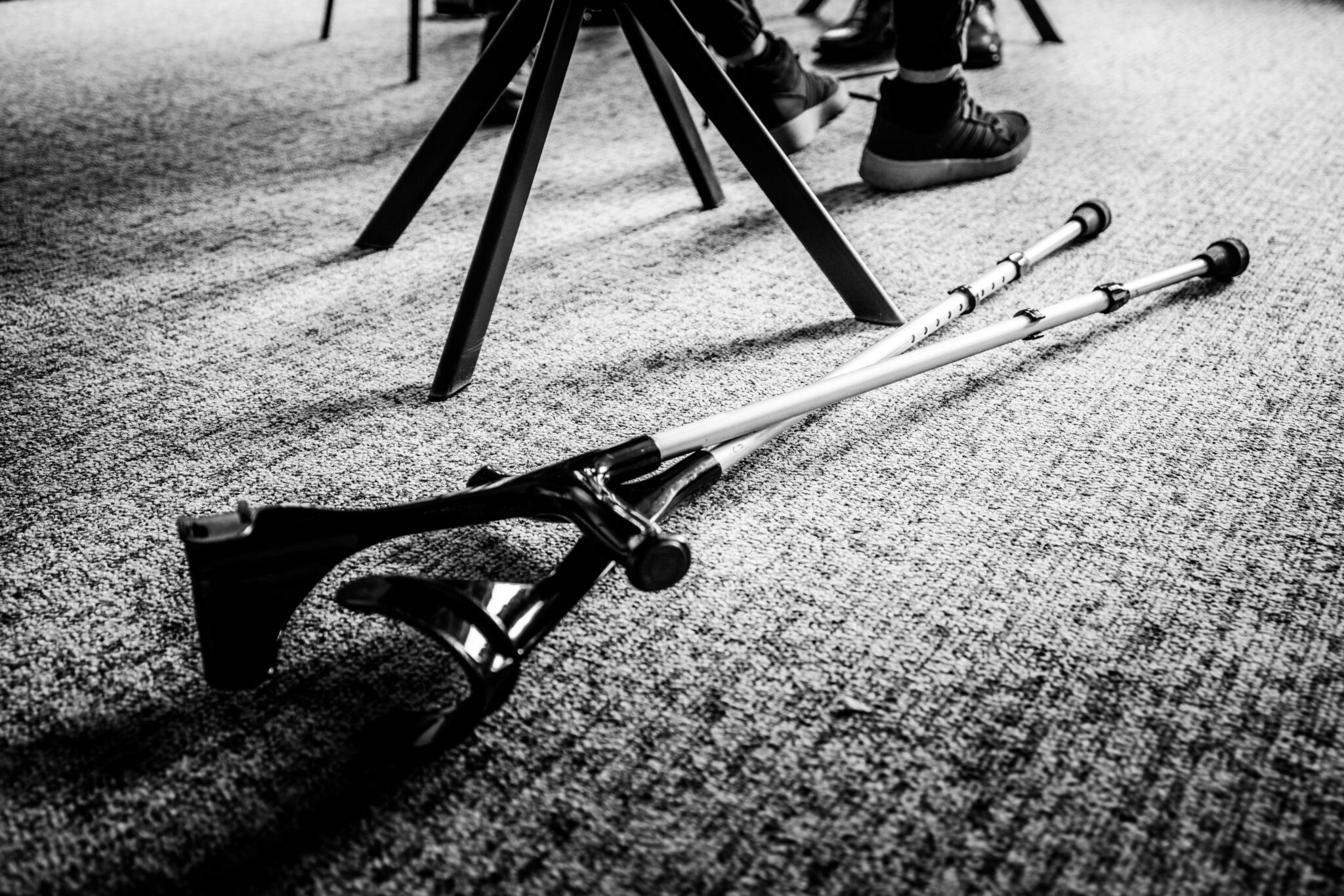
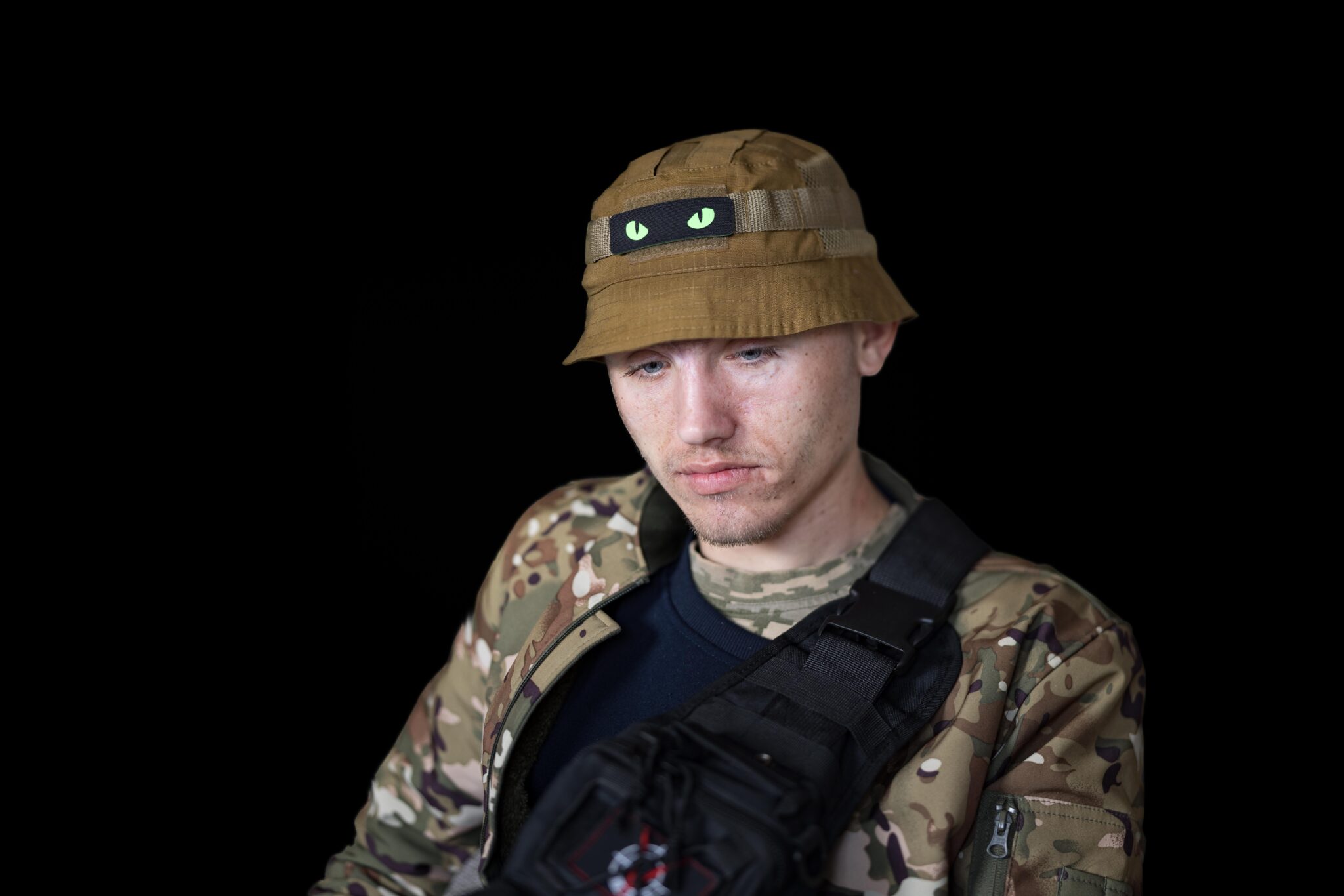
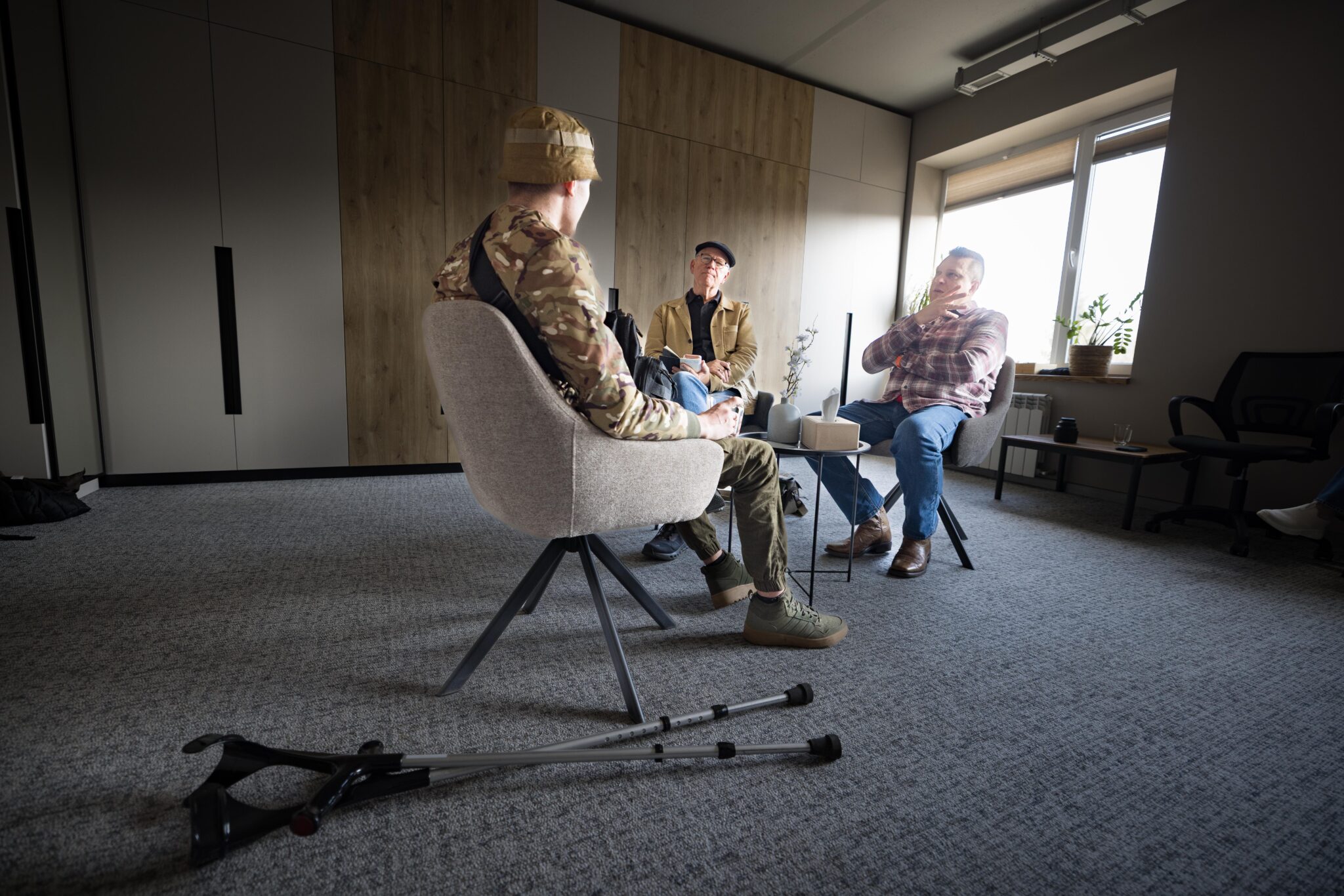
But at 21, the direction of his life changed again.
He joined the Armed Forces of Ukraine.
He did not describe it like a speech. He did not try to make himself sound heroic. He spoke the way many wounded men speak, in fragments, in vivid flashes, in images that refuse to leave them.
There were long hours of fighting. Machine gun fire. Bullets striking the ground near him. Eight-hour battles in trenches. Rockets saturating an entire area. Rotting bodies already on the field. Men around him freezing under the shock of combat. One soldier tearing off his gear and running in a total psychological break.
And then there was the line that settled into the room and did not leave.
When I asked him what was the hardest thing he experienced, he answered without hesitation.
“The most terrifying thing, was holding my friends in my hands while they were dying.”
There are some sentences that do not need to be improved. They need only to be heard.
He also described the day a mine exploded near him.
He was lying there, unable to move, and in his own words, he saw “fountains of blood, kind of sparkling, just flowing out of me.”
That image stayed with me.
Not because it is poetic, but because it is real. It is the sort of detail that comes from a body and a mind pushed right up to the edge of death. The sort of detail that reminds us that war is not an idea. It is blood. It is shattered bone. It is memory loss. It is young men watching their friends die and wondering how they themselves are still alive.
His fellow soldiers pulled him out.
That rescue became, in his words, a second birthday.
Then came three months in the hospital. Seventeen surgeries. Two moments when his heart had to be restarted. Metal plates in his head. A memory that no longer works the way it once did. Sentences that sometimes twist and disappear before he can finish them.
And yet, as hard as all of that is, there was another part of his story that struck me just as deeply.
Coming home.
After two and a half years of war, he returned to Zhytomyr and found civilian life almost unbearable. People were resting. Walking. Living normal life. But inside him, the war had not stopped.
“I feel panic,” he told me. “People are living normal life, but I feel tension all the time.”
That may be one of the clearest descriptions of trauma I heard during my time with Last Bell.
The body comes home.
The nervous system does not.
And there is another wound he carries too, one that is harder to photograph.
Faith.
At one point in his younger life, he had moved toward Christ. He tried to read the Bible. He wanted to draw near to God. But the war made that harder, not easier.
“Where I was on the front line,” he said, “I can tell there is no God there.”
I do not hear that as a theological statement. I hear it as the cry of a wounded man who saw too much, carried too much, and came back trying to reconcile faith with the reality of trenches, bullets, mines, and dead friends in his arms.
He also told me something else, something quieter.
He misses hearing the words a father should say to a son.
And in that moment, I could feel how many different wars he has been fighting, not just the one on the front line.
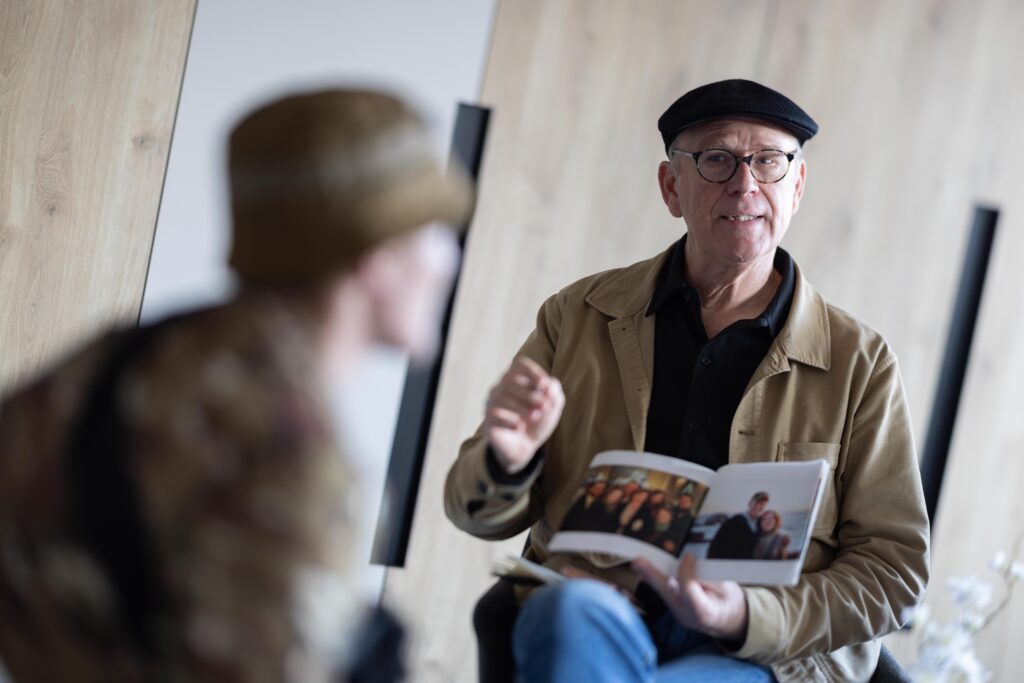

But through all of this, one thing remained steady.
Last Bell.
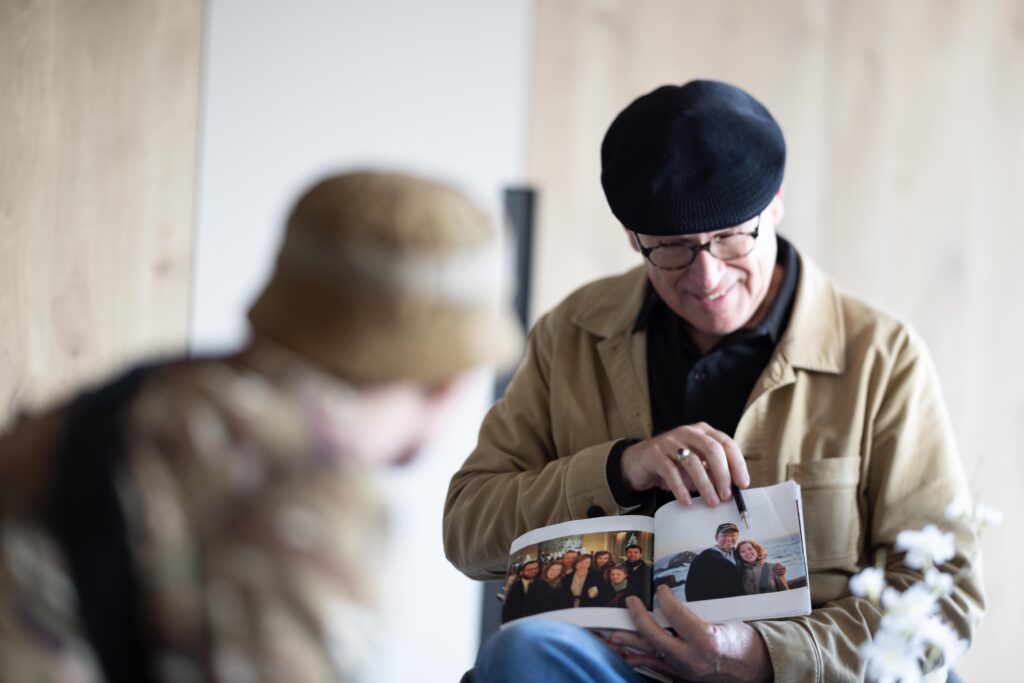
When he came back to Zhytomyr, one of the first people he saw was Ilya. Not a stranger. Not simply a leader from a ministry. Someone close. Someone trusted. Someone who walks with him, talks with him, plays ping pong with him, goes to the park, shares coffee chats, and keeps showing up.
At the end of our time together, I asked him one final question.
“If you had one word to describe what Last Bell means to you, what would it be?”
He did not hesitate.
“Family.”
And after hearing the whole story, it was easy to understand why.
About Last Bell Ministries
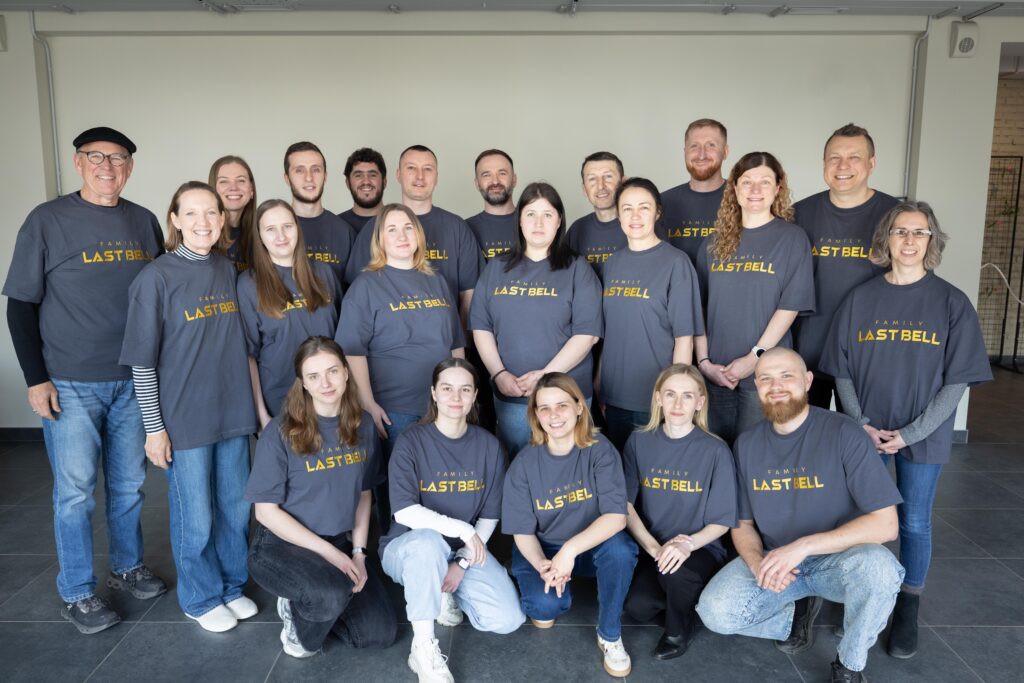
During my time in Zhytomyr, I didn’t just observe the work of Last Bell, I experienced it, in the laughter of young people gathered together, in quiet conversations filled with honesty, and in the steady presence of a community that feels like family.
During so many of the one to two hour interviews I conducted, I often asked a simple question, “If you could describe Last Bell in one word, what would it be?” After careful reflection, the most common answer was the same, family.
In Ukraine, the “Last Bell” marks a student’s transition into adult life. For orphanage graduates, it can be a moment of deep uncertainty. Last Bell Ministries meets them there, providing housing, mentorship, and community, helping turn a vulnerable ending into a hopeful new beginning.
I’ve seen firsthand how this kind of support changes lives, walking with young men and women through some of their hardest moments and helping them move from survival toward stability, healing, and belonging.
If you’d like to learn more about Last Bell or be part of this work, visit lastbell.org.







About Capturing Grace
Discover the story behind Capturing Grace and how my daughter Christina’s life continues to inspire this work at capturinggrace.org/about-us.

No Comments